
.svg)
Medical Safety on the Mission Field
.jpg)
What nobody tells you before your first mission trip
You plan the flights. You plan the service projects. You raise the funds, pack the supplies, and brief your team on cultural sensitivity and servant leadership. And then, somewhere on a dirt road three hours from the nearest hospital, something happens that nobody planned for — and you realize the margin for error in a resource-limited environment is much thinner than it felt back home.
It doesn't have to be dramatic. It could be a team member who cuts their hand on a construction site and develops a spreading infection by day three. A volunteer who forgot their malaria prophylaxis and doesn't mention it until they spike a fever on day five. A home visit that gets complicated because two team members went alone into an unfamiliar neighborhood and no one knew exactly where they were.
The scenarios are hypothetical. The risks are not.
This article is not about scaring anyone away from going. Mission travel changes lives — the communities you serve, and your own. But the most effective teams are the ones who treat health and safety as part of their preparation, not as an afterthought. A sick or injured team member doesn't just affect themselves. It removes capacity from a team that people were counting on, and it can turn a meaningful trip into a logistical crisis.
Go. Just go prepared.
Part 1: Before you leave — building the foundation
See a travel medicine physician, not just your regular doctor
This is the most important step most teams skip or delay. Primary care physicians are excellent — travel medicine is a specialty. A travel medicine physician tracks current outbreak data, understands destination-specific risks at a granular level, and can prescribe medications your family doctor may not routinely prescribe. Book this appointment at least six to eight weeks before departure. Many vaccines require multiple doses spaced weeks apart, and some need time to reach full effectiveness before arrival.
Vaccines: what's standard, what's destination-specific
For most mission destinations in Latin America, Africa, and Southeast Asia, confirm or complete the following before departure:
- Routine vaccines — Tetanus/diphtheria (Tdap), MMR, hepatitis B, varicella. Lapsed boosters are surprisingly common in adults.
- Hepatitis A — Recommended for virtually all international travel. Transmitted through contaminated food and water.
- Typhoid — Recommended for travel to parts of Latin America, Africa, and Asia. Available as an oral series or injection.
- Yellow fever — Required for entry to certain countries. A certified vaccination certificate is required at the border in many destinations.
- Rabies pre-exposure — Essential for teams doing medical work, working with children in communities with stray animals, or serving in remote areas where post-exposure treatment may not be accessible in time.
- Meningococcal meningitis — Required for certain sub-Saharan Africa destinations; worth discussing for college-age team members.
Malaria prophylaxis: the conversation that can't wait
Malaria is one of the most serious preventable illnesses for mission travelers and one of the most misunderstood. Not all destinations carry the same risk — a coastal city carries different exposure than a rural village in a highland river valley — and not all preventive medications are equivalent.
The three most commonly prescribed options are atovaquone-proguanil (Malarone), doxycycline, and mefloquine. Each has different dosing schedules, side effect profiles, and appropriateness depending on destination and individual. This is a conversation to have with a physician, not a decision to make from a travel forum.
CRITICAL NOTE ON COMPLIANCE:
Malaria prophylaxis only works if taken as directed — including the days before arrival and the full course after leaving the endemic area. High fever with chills in any malaria-risk destination is a medical emergency until proven otherwise, regardless of prophylaxis.
Know your team's medical baseline before departure
Every team leader should collect a confidential medical summary from each team member before departure: current medications, significant medical conditions, allergies, and any conditions that might require special management in the field. This is not bureaucracy — it is the information someone needs if a team member is incapacitated and can't speak for themselves.
Identify who on the team has medical training. Even basic first aid or wilderness medicine certification is valuable. That person should know their role before arrival, not after something happens.
Medications that require refrigeration — insulin, certain biologics, some liquid antibiotics — need a specific storage plan. Heat degrades medications faster than most people realize. In tropical environments without reliable refrigeration, this requires advance planning, insulated cases, and realistic expectations about storage conditions.
Part 2: Disease prevention in the field
Food and water — the most common threat
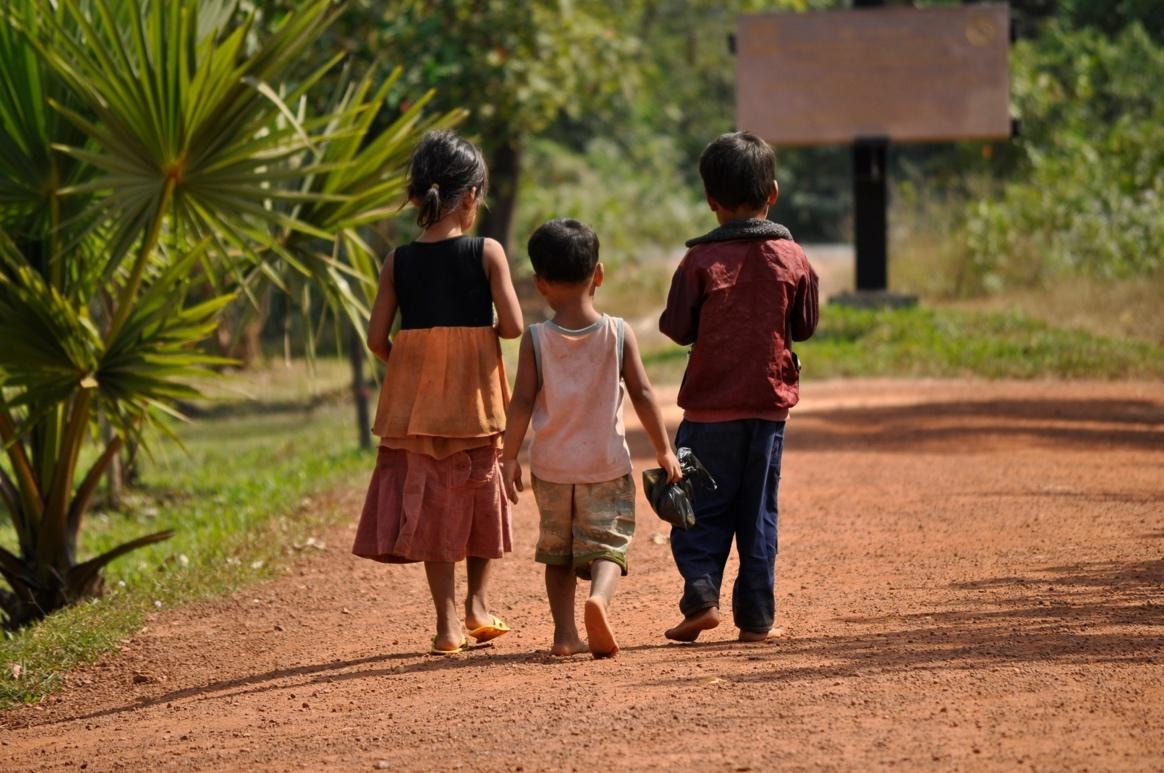
Traveler's diarrhea is the most common illness affecting international volunteers, and it is almost entirely preventable. The rules are simple but require real discipline in environments where the social pressure to accept hospitality is real and meaningful.
- Drink only bottled, boiled, or properly filtered water. This includes water used for brushing teeth. Ice is water. Fruit washed in local water is water. This rule applies even when residents drink it without apparent consequence — your microbiome is not acclimated to what theirs is.
- Eat food that is cooked and served hot. Avoid raw produce unless washed with purified water. Street food can be safe — look for high-turnover stands where food is cooked to order in front of you.
- Wash hands aggressively and often. Before eating, after any patient or community contact, after construction work, after touching animals. Carry hand sanitizer but don't treat it as a substitute for handwashing.
Every team member should carry oral rehydration solution. If diarrhea hits, rehydration is the immediate priority. Severe symptoms, high fever, or blood in the stool require medical evaluation — not waiting. Ask your travel medicine physician about carrying azithromycin or ciprofloxacin as a standby treatment antibiotic.
Mosquito-borne illness — beyond malaria
Dengue fever, chikungunya, and Zika are transmitted by the Aedes mosquito, which bites during the day — meaning a bed net alone doesn't protect you.
- Insect repellent is non-negotiable. DEET-based repellents at 30–35% concentration are highly effective. Picaridin is an excellent alternative. Apply every time you go outside, reapply after sweating, and apply over — not under — sunscreen.
- Dress for protection, not comfort. Long sleeves and pants treated with permethrin dramatically reduce mosquito exposure. In hot environments this requires real commitment. Do it anyway.
- Treat your sleeping area. If in a malaria-risk destination, sleep under a permethrin-treated bed net even if the room appears sealed.
Respiratory illness prevention
Close-contact mission environments — crowded clinics, classrooms, shared transportation — create meaningful respiratory transmission risk. Tuberculosis exposure is relevant in many high-burden countries, and standard respiratory pathogens spread quickly through teams in close quarters.
Teams doing clinical work should use appropriate respiratory protection — at minimum surgical masks in patient care settings, N95 respirators for known or suspected airborne illness exposure. Know your destination's TB burden before you go. For non-clinical teams, basic respiratory hygiene — handwashing, not touching your face, masking when symptomatic — protects both the team and the community you're serving.
Part 3: Contact precautions and bloodborne pathogen safety
This section is especially critical for medical and dental mission teams, but it applies to any team doing wound care, first aid, or close physical contact in the field.
Gloves are not optional — they are standard of care
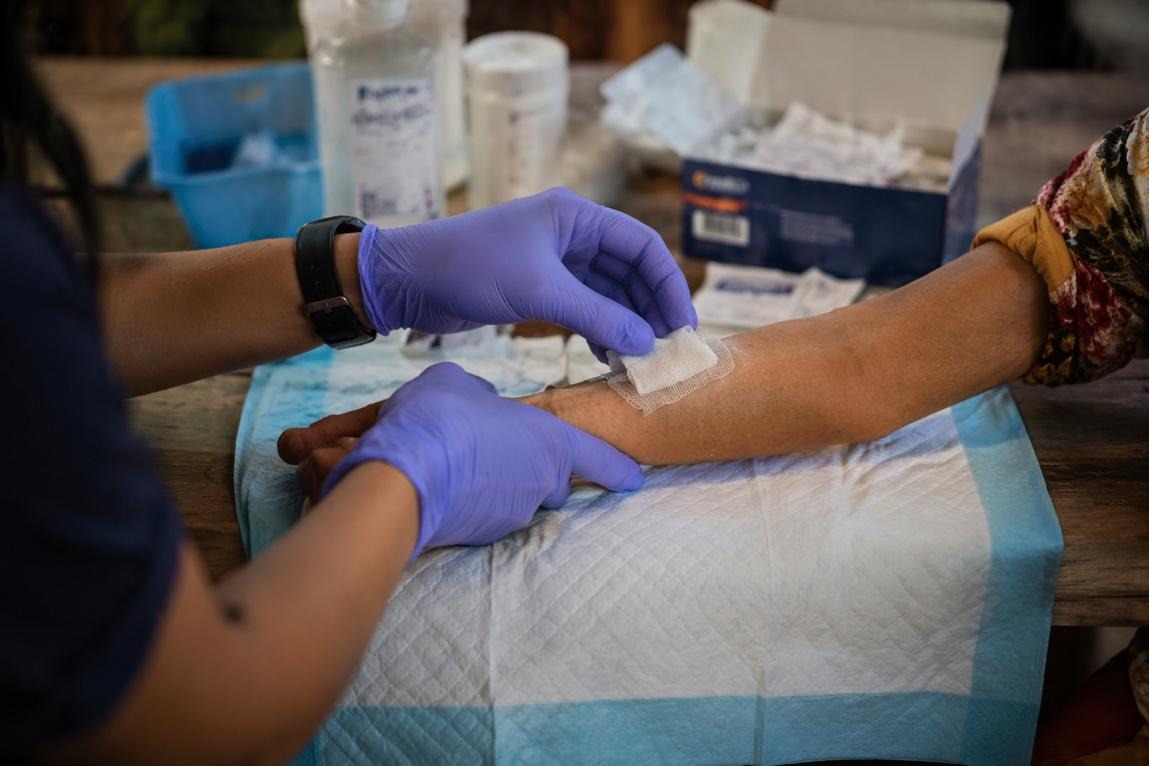
Any direct contact with blood, open wounds, body fluids, or mucous membranes requires gloves. Full stop. This is not about mistrust of the people you are serving — it is the standard of care that protects both you and them. In a clinical setting, this means gloves on before every patient contact and gloves off and hands washed after.
Pack more gloves than you think you need. Gloves run out in the field. Bring extras, keep a supply in your personal kit, and establish a team inventory. Nitrile gloves are preferred — latex allergies are common and can be severe. Bring multiple sizes.
Needle stick and sharp instrument protocols
Needle stick injuries are one of the highest-risk events for medical mission teams. The protocol must be established and known by every clinical team member before departure — not improvised in the moment.
If a needle stick or sharp instrument exposure occurs:
- Remove gloves and immediately wash the wound with soap and water for at least 15 minutes
- Do not squeeze or suck the wound
- Report immediately to the medical lead
- Document the exposure: time, instrument, circumstances, and if known, the source patient's status
- Contact your medical evacuation provider and travel medicine physician for guidance on post-exposure prophylaxis (PEP) — HIV PEP must be started within 72 hours and ideally within the first few hours
BEFORE YOU ARRIVE:
Know whether your destination has access to PEP. Know your evacuation plan if it doesn't. This is not a decision to make in the field.
Contact precautions for wound care
Wound care in resource-limited environments requires clean technique even when sterile technique isn't fully achievable. Gloves on, wound irrigation with clean water before any dressing, and a fresh pair of gloves between patients. Cross-contamination from wound to wound is how infections spread on a mission site.
Any team member who has an open wound, skin break, or active rash should not be performing wound care on others without double gloving and careful attention to technique.
Part 4: Physical safety in the field
The buddy system is not optional
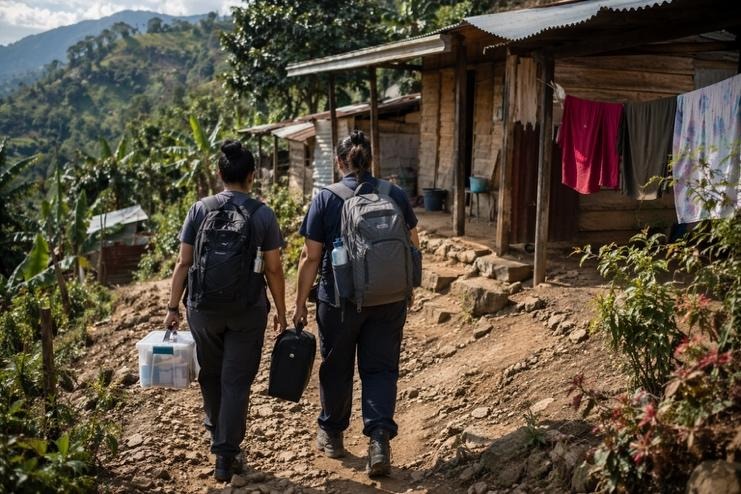
No team member goes anywhere alone. This is a rule, not a suggestion. Home visits go in pairs — minimum. Evening walks go in pairs. Trips to the market go in pairs.
The reason is simple: if something happens to a person who is alone — a fall, an assault, a sudden medical event — no one knows where they are, when to expect them back, or where to start looking. A buddy doesn't just provide safety. A buddy provides a timeline.
Establish a check-in protocol before arrival. If you leave the group for any reason, you tell someone where you're going and when you expect to return. If you're not back within a defined window, someone comes looking. This protocol is established before you land, not after something goes wrong.
Security and situational awareness
Mission environments vary enormously in their security profile. Some are stable and low risk. Others involve elevated crime, political tension, or unpredictable civil unrest. Your job is to understand the environment before you arrive and read it continuously while you're there.
Before departure:
- Register with the US State Department's Smart Traveler Enrollment Program (STEP) at step.state.gov. Free, five minutes, and means the Embassy can reach you in an emergency.
- Read the current State Department Travel Advisory for your destination. Understand what the advisory level means and what the specific concerns are.
- Know the location and phone number of the nearest US Embassy or Consulate. This goes on every team member's emergency card.
- Brief your team on the current security environment. What neighborhoods are to be avoided? What times of day change the risk profile?
In the field:
- Maintain a low profile. Expensive electronics, camera equipment, and visible cash make your team a target. Leave what you don't need at your accommodation.
- Vary your patterns. If you travel the same route at the same time every day, you become predictable. Predictability is a vulnerability.
- Know your exit. When you arrive at any new location, identify your exit routes. This is not paranoia — it is the mental habit of operating in an environment you don't fully control.
- Trust local knowledge. Your host organization has operated in this environment longer than you have. When they say don't go somewhere or don't go at a certain time, they mean it.
- Carry minimal cash, keep it in separate locations, and do not display it. If robbery occurs, compliance is the protocol. Nothing is worth a physical confrontation.
TEAM LEADER AUTHORITY:
Establish before departure that the team leader has the authority to change plans, relocate, or cut the trip short based on security conditions. Support that authority without debate in the moment.
Heat, sun, and physical exertion
Working outside in tropical environments with manual labor creates a real risk of heat illness. Heat stroke is a medical emergency — know the difference. Heat exhaustion: heavy sweating, weakness, nausea, pale skin. The person is still sweating. Heat stroke: hot and often dry skin, confusion, rapid pulse, altered mental status. Heat stroke requires immediate cooling and emergency evacuation.
Prevention: drink at least three to four liters of water per day in hot working conditions, more with heavy physical exertion. Schedule the hardest labor for early morning. Watch your teammates — people stop recognizing their own heat illness before others do.
Altitude
Honduras, Guatemala, East Africa, and the Andes all involve significant altitude for many mission sites. Acute mountain sickness can affect anyone regardless of fitness level, typically beginning above 8,000 feet. If your mission site is at altitude: ascend gradually, when possible, plan rest days, avoid alcohol and sleeping medications in the first 48 hours, and discuss acetazolamide (Diamox) prophylaxis with your travel medicine physician.
Cuts, wounds, and infection
A minor cut that heals without incident at home can become significantly infected in a tropical environment. Clean any wound immediately and thoroughly with clean water and antiseptic, cover it, and inspect it daily. Any wound showing increasing redness, warmth, swelling, or discharge within 24–48 hours needs antibiotic treatment and evaluation. Do not wait.
Foot injuries are among the most common mission injuries. Closed-toe boots belong on every work site and every home visit through uneven terrain. Sandals belong in your bag for the shower.
Animal contact
Rabies is fatal once symptoms appear. The rule is simple: do not handle animals you don't know, regardless of how friendly they appear. If a bite, scratch, or mucous membrane exposure occurs, thorough wound washing must happen immediately and medical evaluation for post-exposure prophylaxis must follow as quickly as possible. Hours matter.
Part 5: Communication protocols and emergency management
Before you land — designate a home base contact
Every mission team needs a designated contact person who remains at home. This person has: the full team itinerary, all team members' passport numbers, the team leader's emergency contact number, the name and contact of the host organization, and a clear protocol for what to do if check-in doesn't happen.
Communication devices and check-in schedules
Cell coverage is unreliable in many mission destinations. Establish a check-in schedule before departure — a specific time each day when the team confirms their status to the home contact. For remote areas, consider a satellite communicator (Garmin in Reach or similar). Every team member should have offline access to critical information: emergency numbers, the host organization contact, the team leader's number, and the address and phone of the nearest hospital. Write it down. Keep it somewhere waterproof.
Know when to escalate
The following require immediate medical care — not field management, not waiting:
- High fever (above 103°F / 39.4°C) with chills in any malaria-risk area
- Fever of any kind that persists beyond 48 hours
- Altered mental status, confusion, or unusual behavior
- Chest pain or significant difficulty breathing
- Severe abdominal pain
- Head injury with any loss of consciousness
- Any wound that appears infected and is worsening despite treatment
- Any needle stick or bloodborne pathogen exposure
- Any animal bite that has broken the skin
MEDICAL EVACUATION COVERAGE IS NOT OPTIONAL.
Standard health insurance does not cover international evacuation, which can cost $50,000–$150,000 or more. Global Rescue and MedJet are two well-regarded providers designed for this scenario. Every single team member should be covered before departure.
Part 6: Mental and emotional health
This section gets skipped. It shouldn't.
Mission environments expose team members to poverty, suffering, and medical need at a scale that many have never encountered. This is part of what makes the experience transformative. It is also part of what makes it hard. Team members who have no outlet for processing what they're seeing — who internalize, isolate, or dismiss their emotional responses — are more likely to make errors, withdraw from the team, and return home struggling.
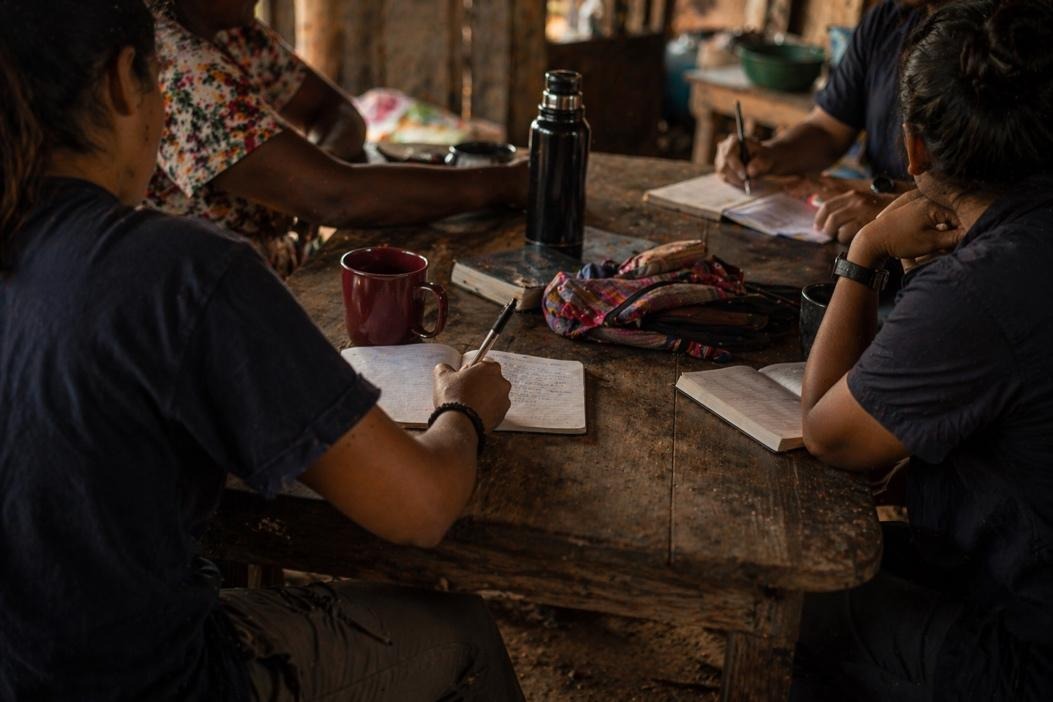
Build a daily debrief into your schedule. A brief evening gathering where team members share a high, a low, and what they're learning is not a luxury — it is maintenance. The person who goes quiet, loses their appetite, or seems flat is usually the one who needs to talk, not the one who asks for it.
Watch for decision fatigue and moral injury in team leaders, who are carrying the weight of logistics, safety, and team morale simultaneously. Leaders need to be checked on, not just checking on others.
When you return home, give yourself time. Reverse culture shock is real. The dissonance between what you've witnessed, and the ordinary abundance of daily life can surface as irritability, restlessness, or a sense that something is unresolved. This is not dysfunction — it is what happens when an experience means something. Talk about it.
A physician's note
I've worked in remote clinics where the nearest backup was hours away and the supplies were whatever fit in what we carried. I've done home visits in communities where the concept of medical care arriving at your door was almost incomprehensible. And I've seen teams arrive completely unprepared — not because they didn't care, but because no one had ever laid this out clearly for them.
Your health is not separate from your mission. It is part of it. A prepared team serves longer, serves better, and comes home whole.
Go. Just go prepared.
Robert P., MD, M.B.A. is an emergency medicine physician, founder of VitalVoyager, and has traveled to 40+ countries including multiple mission and humanitarian deployments. This article is for informational purposes and does not constitute individual medical advice. Consult a travel medicine physician before your trip.
→ Download the free Mission Trip Preparation Guide
→ Request physician-curated mission travel kits for your team
.jpg)
.jpg)