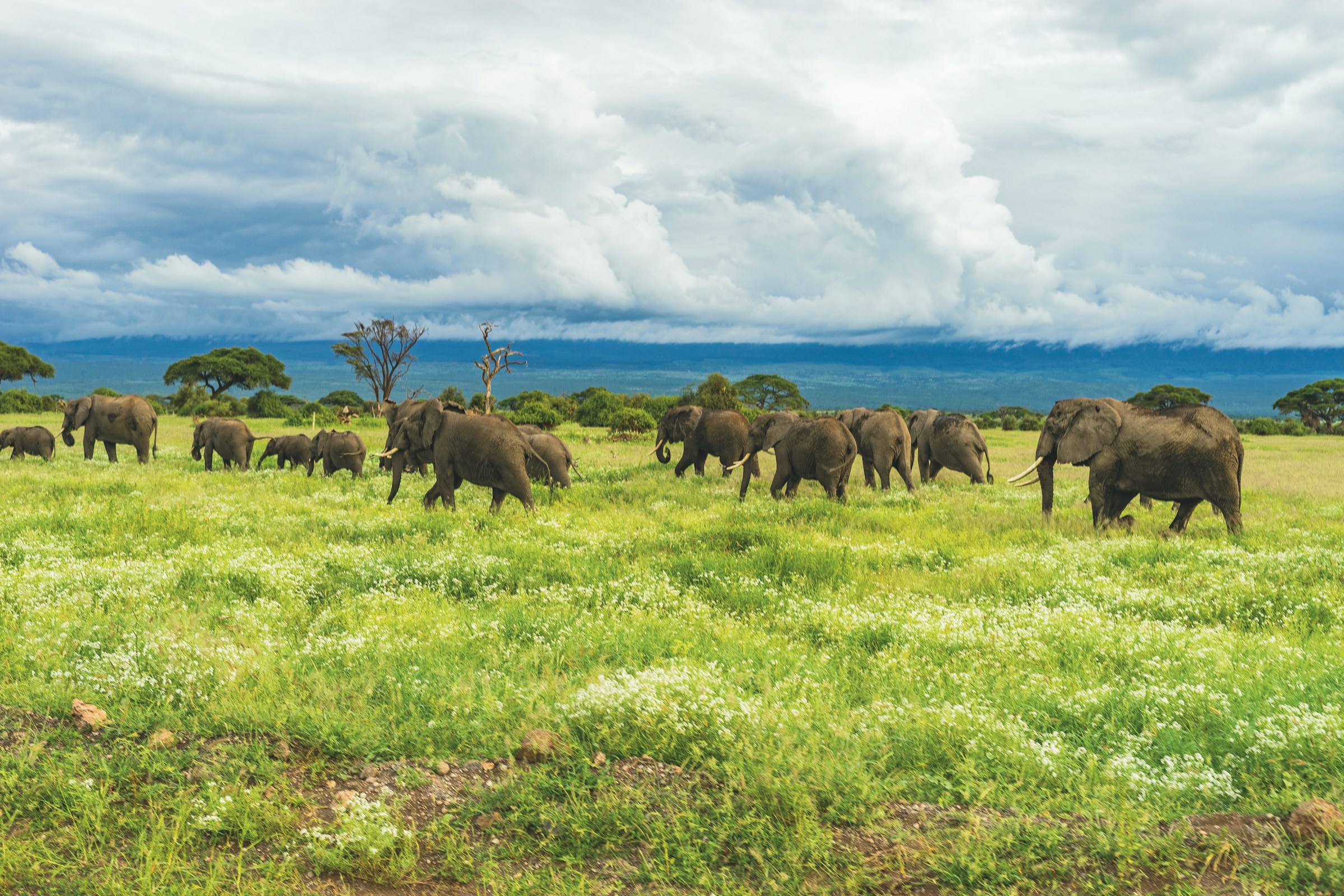
Tanzania

Africa
Capital:
Dodoma (capital); Dar es Salaam (commercial hub)
Currency:
Tanzanian Shilling (TZS)
Risk:
High
📋

Health Overview

Tanzania is one of East Africa's most extraordinary destinations — Kilimanjaro; the Serengeti; Zanzibar; Ngorongoro Crater; and some of Africa's finest wildlife viewing — now operating under a Level 3 State Department advisory due to elevated civil unrest; crime; and targeting of LGBTQ+ individuals. The most clinically significant pre-travel issue is malaria: chloroquine-resistant P. falciparum transmits throughout the entire country including Zanzibar and all game parks. Tanzania is also named on the Global Polio THN; has ongoing mpox clade Ib community transmission; and experienced a Marburg outbreak (January–March 2025) that was declared over but signals persistent fruit bat reservoir activity in the Kagera region. Yellow fever vaccine is required at the border for travelers arriving from endemic countries — verify this against your full itinerary including any African transits.

Key Health Risks

High
Malaria — P. falciparum
Tanzania's most common serious travel-acquired illness. Chloroquine-resistant P. falciparum transmits year-round throughout the entire country. The Serengeti game drives — particularly sunset and dawn drives near waterholes — are the highest-exposure scenario: travelers are outdoors during peak Anopheles mosquito feeding hours. Zanzibar has been targeted for malaria elimination with some reduction in transmission; but malaria still occurs on the islands. Kilimanjaro trekkers must take prophylaxis for the entire climb and continue after descent if visiting game parks. Fever within 1 year of any Tanzania travel requires immediate malaria evaluation — never assume it's 'just a cold' after Tanzania.
Moderate-High
Travelers' Diarrhea and Typhoid
Significant enteric disease burden throughout Tanzania. Typhoid vaccine is a high-priority recommendation. Travelers' diarrhea from contaminated food and water is common — azithromycin self-treatment is preferred (ciprofloxacin resistance is emerging across East Africa). Never drink tap water anywhere in Tanzania. Cyclospora is present in agricultural areas May–October. Food safety at established safari camps and upscale Zanzibar resort restaurants is generally good; moving down the price tier increases risk significantly.
Moderate
Mpox Clade Ib — Community Transmission
WHO confirmed Tanzania has ongoing mpox clade Ib community transmission. Transmission is primarily through sexual contact; household contact; and healthcare settings. Risk to typical tourists is low. Risk is higher for travelers with multiple sexual partners or any sexual contact with unknown partners during travel. The second declaration of global PHEIC for mpox was lifted September 5 2025 but community transmission continues. Vaccination (JYNNEOS) is recommended for higher-risk travelers.
⛑️

Health Risk Callout

The malaria message for Tanzania is non-negotiable: this is one of the highest-burden P. falciparum destinations in the world and prophylaxis is not optional. The thing that most travelers don't fully appreciate is that a Serengeti game drive at sunset — one of the most spectacular experiences on the planet — puts them outside in an open vehicle next to a waterhole at exactly the hours when Anopheles mosquitoes are at peak activity. Full-coverage clothing plus DEET plus prophylaxis is the clinical standard for Tanzania safari. DEET is also mandatory for dengue and ATBF prevention. The altitude issue on Kilimanjaro is also significant — AMS is common; HACE and HAPE have both killed trekkers on this mountain.
🏥

Other Health Risks

Altitude illness (Kilimanjaro at 5895m — acetazolamide prophylaxis and staged ascent mandatory; AMS affects majority of trekkers; HACE and HAPE are documented on Kilimanjaro); Schistosomiasis (freshwater exposure in lakes and rivers — Lake Victoria; Lake Tanganyika; Lake Malawi; avoid freshwater swimming outside chlorinated pools); African sleeping sickness/trypanosomiasis (game parks; tsetse fly bites; rare but documented in Tanzanian safari travelers); LGBTQ+ legal risk (same-sex relationships criminalized; arrests documented; heightened policing per State Dept Level 3 advisory) | 2026 UPDATE: Marburg (historical/context): The 2025 Marburg outbreak in Kagera region was declared over (2025); no new 2026 Tanzania Marburg outbreak identified. No material change to dossier, which already notes this. (https://www.cidrap.umn.edu/marburg/tanzania-confirms-marburg-outbreak-kagera-region, 2025)
🗺

Regional Information

Regional Risk Callout
Tanzania's risk profile varies significantly by region. Dar es Salaam and major tourist infrastructure (the Serengeti; Ngorongoro; Kilimanjaro; Zanzibar) are within reach but require full infectious disease preparation. The Mtwara Region in southern Tanzania carries the highest terrorism risk and should be avoided. The Kagera Region in northwest Tanzania (bordering Uganda; Rwanda; and Burundi) was the site of Tanzania's 2023 and 2025 Marburg outbreaks — both declared over but the fruit bat reservoir is endemic to this ecosystem; repeat outbreaks are expected. The northern safari circuit (Arusha; Serengeti; Ngorongoro; Lake Manyara) is Tanzania's primary tourist zone and has lower security risk than the south. Zanzibar is a separate semi-autonomous jurisdiction with the same malaria risk as the mainland; same polio status; and generally lower violent crime — but the same disease preparation applies.
Regional Healthcare Callout
Medical infrastructure in Tanzania is severely limited outside Dar es Salaam and Arusha. Safari camps and national parks have minimal to no acute care capability — a serious malaria episode; trauma; or cardiac event in the Serengeti or Ruaha requires helicopter evacuation to Arusha or Dar es Salaam. KCMC in Moshi is the essential altitude medicine resource for Kilimanjaro emergencies. Medical evacuation insurance with helicopter coverage is mandatory for Tanzania — it is not optional. Zanzibar has Mnazi Mmoja Hospital (government; basic) and several private clinics in Stone Town for standard acute care. Global Rescues is imperative
💉

Vaccine and Malaria Prevention

💉 Entry Vaccine Required
Yellow fever: Required at border for travelers ≥1 year old arriving from countries with risk for YF virus transmission; this includes >12-hour airport transits or layovers in countries with risk of YF transmission. If traveling directly from the US with no African or South American transits: not required. CRITICAL for multi-country African itineraries — verify each country on your route. Present on entry as International Certificate of Vaccination or Prophylaxis (ICVP; 'yellow card').
🛡️ Recommended Vaccines
CDC recommends routine vaccines (MMR; Tdap; influenza; COVID-19 up to date); Hepatitis A (strongly recommended — significant food and waterborne disease burden throughout Tanzania including Zanzibar; one of the highest-priority Hep A destinations in Africa); Hepatitis B (recommended for unvaccinated travelers under 60); Typhoid (recommended for all travelers eating outside upscale safari camp restaurants); Rabies (consider for extended outdoor; wildlife; or adventure travel — animal contact risk in safari and rural settings); Malaria prophylaxis (mandatory for all Tanzania itineraries — see malaria fields below); Yellow fever (if arriving from endemic countries — required at border; confirm full itinerary including African transits). Discuss all with your Dr. prior to travel
🦟 Malaria Information
  • Risk Level: High
  • Areas: All of Tanzania including Zanzibar and all game parks (Serengeti; Ngorongoro; Tarangire; Lake Manyara; Ruaha; Selous/Nyerere; Mahale; Gombe). No malaria-free zones in Tanzania. Altitude >1800m (Kilimanjaro summit above treeline) may reduce but does not eliminate malaria risk during trekking — take prophylaxis for the duration including descent through endemic zones. CDC Yellow Book 2024 states: 'Consider malaria prophylaxis for all travelers going to Tanzania.'
  • Recommended Drug: Atovaquone-proguanil; doxycycline; or mefloquine — all three are effective. Atovaquone-proguanil (Malarone) is the most convenient for shorter trips (start 1-2 days before; end 7 days after). Doxycycline requires 4-week completion and causes photosensitivity — important for beach itineraries in Zanzibar. Mefloquine weekly dosing requires 2-week lead time but allows weekly vs. daily dosing.
  • Drug Resistance: Yes

Chloroquine-resistant P. falciparum is endemic throughout Tanzania. Do not use chloroquine or hydroxychloroquine for Tanzania malaria prevention — resistance is universal. All three recommended regimens (atovaquone-proguanil; doxycycline; mefloquine) are effective against resistant P. falciparum. All P. falciparum in sub-Saharan Africa is considered chloroquine-resistant.

Moderate-High
👨

Physician Note

R
Dr. Robert
Emergency Medicine · 25+ Years · 40+ Countries

Tanzania is one of the destinations where the pre-travel consultation matters most. Meet with your Dr. The disease preparation is comprehensive but clear: malaria prophylaxis is mandatory for every Tanzania traveler without exception — no itinerary in Tanzania avoids malaria risk; Zanzibar is not a malaria-free zone; the Serengeti is not a malaria-free zone; Kilimanjaro is not a malaria-free zone above the treeline during the trek.

The game drive timing question comes up frequently — travelers want to know if sunset and dawn drives are safe. The honest answer is that those are the highest-exposure hours for Anopheles mosquitoes; and the combination of DEET; long sleeves and pants; and prophylaxis is the standard. The Level 3 advisory and LGBTQ+ targeting is something I address specifically and directly with patients who identify as LGBTQ+.

Tanzania is not a safe destination for open expression of LGBTQ+ identity — same-sex conduct is criminalized; arrests are documented per the State Dept; and invasive physical exams have been used. The Kilimanjaro altitude illness conversation is another area I spend real time on: AMS affects a majority of trekkers at high elevation; HACE and HAPE are documented deaths on this mountain; and the standard acclimatization schedule still results in significant illness. Acetazolamide starting 24-48 hours before ascending above 3000m is my clinical standard for Kilimanjaro trekkers.

Pre-Departure Checklist

8+ Weeks

  • CDC recommends Malaria prophylaxis prescription Discuss with your Dr prior to travel
  • Yellow fever vaccine if any African or South American country with YF risk is on the itinerary — ICVP card essential for border crossing
  • Hepatitis A immunity confirmation
  • Typhoid vaccine (allow time for 4-dose oral or injectable).

2–4 Weeks

  • Register with STEP
  • Medical evacuation insurance with helicopter rescue coverage confirmed for Tanzania
  • SteriPen or water purification tablets for Kilimanjaro
  • DEET 20%+ and permethrin-treated clothing for safari and outdoor activities
  • Az\ithromycin self-treatment kit
  • LGBTQ+ travelers specifically advised: Tanzania is not safe for open expression of LGBTQ+ identity — arrest risk is documented and police target this community per State Dept advisory.

Day Of

  • US Embassy Dar es Salaam +255-22-229-4000 (dial 1 for emergency)
  • Aga Khan Hospital +255-22-211-5151
  • KCMC for Kilimanjaro emergencies +255-27-275-4377
  • Emergency 112
  • Carry malaria prophylaxis in carry-on
  • Confirm rescue insurance documents are accessible.
✈️

Trip Type Guidance

Adventure

  • Kilimanjaro summit (5895m — full altitude preparation
  • Acetazolamide
  • Staged ascent mandatory
  • KCMC is the altitude medicine reference
  • Helicopter rescue insurance required)
  • Serengeti/Ngorongoro safari (Mosquito avoidance + malaria prophylaxis mandatory
  • African tick bite fever risk on bush walks
  • DEET)
  • Zanzibar beach (malaria prophylaxis even for beach-only itinerary
  • Dengue precautions
  • Schistosomiasis — do not swim in freshwater).

Mission

  • Tanzania has a large NGO
  • Faith-based healthcare
  • And community development mission presence
  • Full expedition health preparation required
  • Level 3 advisory requires organizational security protocols.

Beach

  • Zanzibar is an internationally regarded tropical beach destination — same malaria
  • Polio
  • And disease preparation as mainland
  • No freshwater swimming
  • DEET
  • Established resort safety.
🗒️

Notes

Special Evacuation Notes
Medical evacuation insurance with helicopter rescue coverage is mandatory — not optional. Tanzania has severe healthcare infrastructure limitations outside Dar es Salaam and Arusha. Kilimanjaro helicopter rescue is available but weather-dependent and expensive ($5000-15000+). Safari area medical evacuations require air charter to Arusha or Nairobi for complex cases. Medical evacuation to Nairobi; Kenya is the regional standard for complex cases requiring hospital-level care beyond Aga Khan Dar es Salaam's capability.
Safety Notes
Tanzania is at Level 3 due to unrest; crime; terrorism in Mtwara; and LGBTQ+ targeting by police — these are serious escalations from Level 2 that reflect a real deterioration in the security environment. LGBTQ+ travelers are at specific legal risk in Tanzania; same-sex conduct is criminalized; arrests are documented; and the State Dept specifically names this in the Level 3 advisory. Solo female travelers should exercise heightened caution given documented sexual assault risk. Carjacking and street robbery occur in Dar es Salaam and tourist areas. In the Mtwara Region: avoid all travel — active terrorist threat. Avoid all demonstrations. The Kagera region: Marburg outbreak is over but the region borders Rwanda; Uganda; and Burundi — situational awareness required particularly during future outbreaks.
partner recommendation
Medical Evacuation & Assistance
A medical crisis far from home can cost $50,000+ to evacuate. Global Rescue — the partner we personally trust — provides worldwide evacuation and round-the-clock medical assistance.
Get a quote
Good For
Adventure
Beach
Mission
Quick Info
  • Capital
    Dodoma (capital); Dar es Salaam (commercial hub)
  • Language
    Swahili; English
  • Currency
    Tanzanian Shilling (TZS)
  • State Dept Level
    3
  • Crime Risk
    High
  • Disaster Risk
    Moderate — Tanzania is in the East African Rift system with seismic risk; flooding during rainy seasons (March-May and October-December); Kilimanjaro has weather hazard risks including hypothermia and lightning; tropical cyclone risk to coastal areas and Zanzibar (rare but documented); the Kagera region (northwest) is in a geological and ecological zone with recurring Marburg outbreaks from fruit bat reservoirs — situational awareness required
Water Safety
⛔️ Tap Water Not Safe to Drink
Tap water is not safe for drinking anywhere in Tanzania including Dar es Salaam; Arusha; Zanzibar; and all safari camps. Use sealed commercially bottled water for all drinking and teeth brushing. Water purification tablets or a SteriPen are essential on trekking routes where bottled water access decreases at high elevation.
Top Hospital
Aga Khan Hospital Dar es Salaam
Dar es Salaam
Tanzania's only JCI-accredited hospital (Gold Standard quality awarded 2019). The premier facility for travelers requiring acute care in Tanzania. English-speaking physicians; full internal medicine; surgery; pediatrics; emergency. Tel: +255-22-211-5151. Also in Arusha: Kilimanjaro Christian Medical Centre (KCMC) at the foot of Kilimanjaro — essential referral for altitude illness and mountain rescue; Tel: +255-27-275-4377.
Emergency Numbers
112
Emergency
112
Ambulance
US EMbassy
'+(255) 22-229-4000
https://tz.usembassy.gov/
Resources
Primary Sources
Direct lines to the agencies that publish the world's most trusted travel-health guidance.