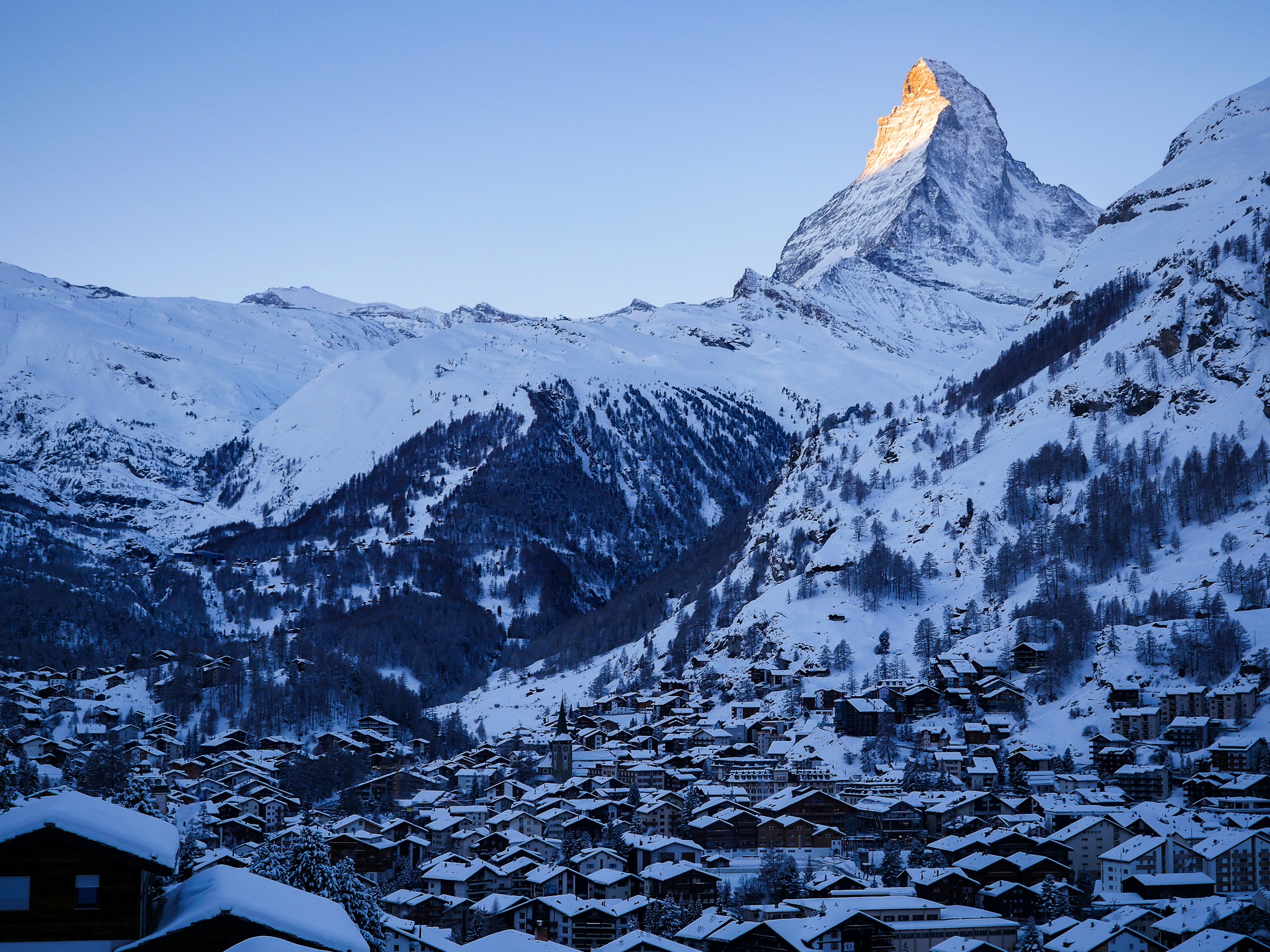
Switzerland

Europe
Capital:
Bern
Currency:
Swiss Franc (CHF)
Risk:
Low
📋

Health Overview

Switzerland is a very low-risk destination for American travelers, with world-class healthcare infrastructure and no malaria risk. The single most clinically important pre-travel consideration per the CDC is Tick-Borne Encephalitis (TBE) vaccination for travelers planning hiking, camping, or outdoor activities in forested areas — Switzerland is a TBE-endemic country and the TBE vaccine (TICOVAC) requires a series initiated well before travel. Altitude illness becomes relevant for travelers ascending rapidly to alpine elevations above 2500 meters. Petty theft in Zurich, Geneva, and Bern tourist corridors is the primary safety concern. A prepared traveler initiates TBE vaccine at least 6 weeks before departure and carries acetazolamide for high-altitude itineraries.

Key Health Risks

Moderate
Tick-Borne Encephalitis (TBE)
TBE is a flavivirus transmitted by Ixodes ticks in forested, rural, and sub-alpine zones across Switzerland — one of the highest-incidence TBE countries in Europe. Onset is biphasic: initial flu-like illness followed by CNS involvement in ~10% of cases. The TICOVAC vaccine (3-dose series) is highly effective and strongly recommended for any traveler planning outdoor activity. Series initiation at least 6 weeks before departure is critical.
Moderate
Altitude Illness
Rapid ascent to elevations above 2500m (common in Swiss Alps itineraries: Jungfraujoch at 3454m; Matterhorn approaches above 3000m) can cause Acute Mountain Sickness, and rarely High-Altitude Cerebral or Pulmonary Edema. Travelers should ascend gradually and consider acetazolamide 125–250mg twice daily starting 24 hours before ascent for those with prior AMS history or very rapid elevation gain.
Low
Petty Theft
Organized pickpocket groups operate at major tourist sites in Zurich, Geneva, and Bern — particularly near train stations, on trams, and at major museums and festivals. Vehicle break-ins occur at Alpine trailhead parking areas.
⛑️

Health Risk Callout

The TBE call is the most clinically time-sensitive element of a Switzerland pre-travel consultation. The TICOVAC vaccine series requires 3 doses: Day 0, Day 14–28, and Month 5–12 for full protection — making an 8-week minimum lead time essential for any traveler planning outdoor activity. For shorter lead times, the accelerated schedule (Days 0, 7, 21) provides partial protection. Many US travelers arrive in Switzerland planning significant alpine hiking and are genuinely surprised this vaccine is indicated.
🏥

Other Health Risks

Avalanche risk (November–April in alpine zones); Carbon monoxide poisoning in enclosed alpine huts (rare but documented)
🗺

Regional Information

Regional Risk Callout
Switzerland's risk profile varies meaningfully by elevation and activity. Urban areas (Zurich, Geneva, Basel, Bern) are safe, modern, and carry only pickpocket-level crime risk. Alpine zones above 2000m introduce altitude illness, avalanche risk, and TBE from tick bites in forested approaches. The Ticino region bordering Italy carries slightly higher petty crime risk compared to German-speaking cantons. TBE risk is present throughout forested, rural, and sub-alpine zones across the country — not limited to any single region.
Regional Healthcare Callout
Switzerland's hospital system is uniformly excellent. Universitätsspital Zürich, HUG (Hôpitaux Universitaires Genève), and Bern University Hospital (Inselspital) all provide world-class care across all specialties. Even regional and cantonal hospitals in rural areas offer strong acute care. Helicopter rescue (Rega — Swiss Air-Rescue) provides fast mountain evacuation throughout the Alps — travelers in alpine zones should carry adequate travel insurance to cover Rega fees.
💉

Vaccine and Malaria Prevention

🛡️ Recommended Vaccines
CDC recommends routine vaccines (MMR; Tdap; influenza; COVID-19 up to date); Tick-Borne Encephalitis or TBE (recommended for travelers spending time outdoors in forested or rural areas; requires TICOVAC series initiated 6+ weeks before travel); Hepatitis A (consider for rural or extended travel); Hepatitis B (recommended for unvaccinated travelers under 60); Rabies (consider for extended wilderness or bat exposure risk)
🦟 Malaria Information

No malaria risk.

Moderate
👨

Physician Note

R
Dr. Robert
Emergency Medicine · 25+ Years · 40+ Countries

Switzerland is a destination I genuinely love counseling patients about, because the clinical conversation is so focused and actionable. The one thing I don't want travelers to miss is TBE. Tick-Borne Encephalitis is a flavivirus — same family as dengue and Zika — that progresses to meningoencephalitis in a meaningful subset of infected patients.

Switzerland has among the highest TBE incidence in Western Europe, and the vaccine (TICOVAC) requires a series that must be started at least 6 weeks before travel. Be sure and discuss with your clinician. The other clinical consideration is altitude.

Jungfraujoch sits at 3454 meters — many travelers go up by train in a day from Interlaken at 570m. That's a rapid 2900m gain. Acute Mountain Sickness is common; acetazolamide 125–250mg twice daily started 24 hours before ascent significantly reduces risk.

For travelers with a prior AMS history or any cardiopulmonary conditions, this conversation is mandatory. Swiss healthcare is outstanding — if something goes wrong, you're in one of the best systems in the world.

Pre-Departure Checklist

8+ Weeks

  • CDC recommends Initiate TBE (TICOVAC) vaccine series if any outdoor activity is planned — Day 0 and Day 14 doses must be completed before departure
  • Confirm MMR status given global measles transmission.

2–4 Weeks

  • Discuss acetazolamide (Diamox) prescription with physician if alpine itinerary includes rapid ascent above 2500m
  • Obtain comprehensive travel insurance explicitly covering mountain rescue and helicopter evacuation (Rega).

Day Of

  • Save 144 (Swiss medical emergency) and US Embassy Bern (+41 31 357-7011) in your phone
  • Carry tick tweezers and check for ticks after every forest or meadow walk — remove promptly and monitor for fever over the following weeks.
✈️

Trip Type Guidance

Adventure

  • Switzerland is a premier adventure destination — skiing, high-altitude hiking, via ferrata, paragliding — but requires appropriate preparation including TBE vaccination and altitude illness awareness

Family

  • Excellent family destination with world-class healthcare, extremely low crime, and extraordinary outdoor recreation infrastructure for all ages

Business

  • Zurich and Geneva are global financial and diplomatic centers with outstanding infrastructure, English-language business environment, and frequent direct US flight connections
🗒️

Notes

Special Evacuation Notes
Switzerland's healthcare system is among the best in the world for receiving complex medical care. Medical evacuation from Switzerland to the US is rarely medically necessary — nearly all conditions can be managed in-country at a world-class level. Alpine rescue via REGA helicopter is rapid and highly professional. Travel insurance should specify mountain rescue/helicopter coverage as standard REGA fees are substantial.
Safety Notes
Switzerland is genuinely one of the safest countries in the world. Petty theft at tourist sites and train stations is the primary risk. Alpine activities introduce the most meaningful hazard: avalanche, whiteout conditions, and altitude illness. Always check piste conditions, carry avalanche safety equipment for off-piste skiing, and hire a guide for high-altitude routes above 3000m.
partner recommendation
Medical Evacuation & Assistance
A medical crisis far from home can cost $50,000+ to evacuate. Global Rescue — the partner we personally trust — provides worldwide evacuation and round-the-clock medical assistance.
Get a quote
Good For
Adventure
Family
Business
Quick Info
  • Capital
    Bern
  • Language
    German; French; Italian; Romansh
  • Currency
    Swiss Franc (CHF)
  • State Dept Level
    1
  • Crime Risk
    Low
  • Disaster Risk
    Moderate — avalanche risk in winter/spring alpine zones; rare flash floods in summer; seismic activity in Basel corridor is historically elevated but low probability
Water Safety
✅ Tap Water Safe
Tap water in Switzerland is excellent — among the highest quality in the world. Fed by glacial and alpine aquifer sources, Swiss tap water meets the strictest EU/Swiss safety standards. Both glacier-fed and municipal supplies are safe throughout the country including rural cantons. No filtering or boiling required.
Top Hospital
Universitätsspital Zürich (University Hospital Zurich)
Zurich
Switzerland's leading academic medical center with full subspecialty coverage, Level 1 trauma capability, and internationally trained staff. English widely spoken. Tel: +41 44 255 11 11. JCI accredited.
Emergency Numbers
112 (EU standard); 144 (Swiss medical emergency)
Emergency
144
Ambulance
US EMbassy
+41 31 357-7011
https://ch.usembassy.gov/
Resources
Primary Sources
Direct lines to the agencies that publish the world's most trusted travel-health guidance.