
.svg)
St. Kitts and Nevis
Risk:
Low
Health Overview
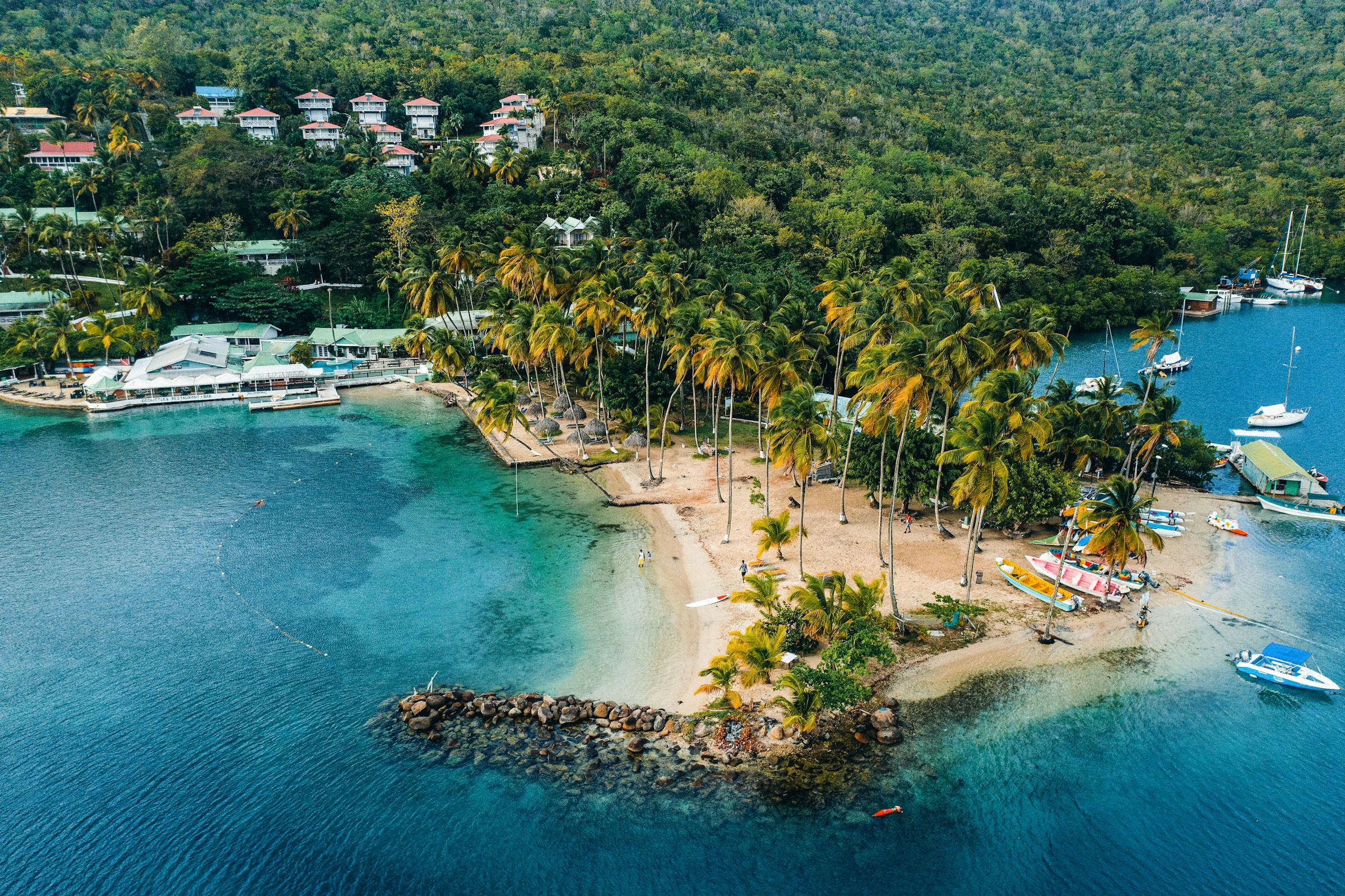
St. Kitts and Nevis is Level 1 — smallest sovereign nation in Western Hemisphere. Volcanic mountains, rainforest, black-sand beaches, less crowded than neighbors. No malaria. Dengue endemic. eTA required for all visitors including US citizens (US$8.50, increasing to US$17 from Sept 1, 2025). US Coast Guard cited port security concerns. Consular services via Bridgetown.
Key Health Risks
Low-Moderate
Dengue Fever
Dengue endemic year-round. Aedes aegypti day-biting. Global Dengue notice March 2026. DEET essential morning and evening.
Low
Sun / Heat / Outdoor Safety
UV extreme at 17 degrees north. Nevis Peak hike and St. Kitts trails require sun protection, hydration, heat exhaustion awareness. Atlantic beaches have strong currents.
Low
Traveler's Diarrhea
Food hygiene good at major resorts. Normal precautions at local markets. Hep A sensible outside resort economy.
Health Risk Callout
Most straightforward health risk profile in Eastern Caribbean. Level 1, no malaria, tap water generally safe. eTA administrative requirement — US citizens denied boarding without it. US Coast Guard maritime advisory relevant for boaters.
Other Health Risks
Traveler's diarrhea; Leptospirosis (minor)
Regional Information
Regional Risk Callout
St. Kitts: larger, capital Basseterre, airport, Frigate Bay resort zone, low risk. Nevis: smaller, quieter, accessible by ferry (45 min) or small aircraft, even lower crime. Nevis Peak (3,200 feet) dormant volcano.
Regional Healthcare Callout
Modest but functional medical infrastructure. Serious cases to Barbados via Robert L. Bradshaw International Airport. US Coast Guard port security concerns — mariners be aware. Medevac insurance recommended.
Vaccine and Malaria Prevention
💉 Entry Vaccine Required
YF certificate required for travelers arriving from YF-risk countries.
🛡️ Recommended Vaccines
Routine; COVID-19; Hep A (recommended outside resorts); Hep B; Typhoid (consider for local food)
🦟 Malaria Information
No malaria risk.
Low
Physician Note
Dr. Robert
Emergency Medicine · 25+ Years · 40+ Countries
St. Kitts and Nevis is mostly logistics not clinical risk — Level 1, no malaria, safe water. eTA requirement is the operational thing that derails trips.
Dengue is primary concern — DEET from day one. Nevis Peak is a serious volcanic mountain hike in intense tropical sun — heat exhaustion, UV exposure, and hydration need specific counseling. Joseph N. France handles emergencies; Barbados a short flight for anything serious.
Pre-Departure Checklist
8+ Weeks
- Be sure to consult your Dr. prior to travel to discuss
- CDC recommends Hep A if not vaccinated
- Routine vaccines
- No malaria prophylaxis
- Apply for eTA at knatravelform.kn (required — US$8.50).
2-4 Weeks
- DEET
- Ferry/flight logistics for Nevis
- Joseph N.
- France Hospital contact.
Day Of
- Confirm eTA in hand
- Tap water safe
- DEET from day one
- Atlantic beaches strong currents — swim Caribbean side.
Trip Type Guidance
Adventure
- Nevis Peak rainforest hike — one of Eastern Caribbean's best
- Brimstone Hill Fortress (UNESCO)
- St. Kitts Scenic Railway.
Beach
- Frigate Bay twin beaches
- Pinney's Beach on Nevis classic Caribbean.
Family
- Level 1, safe tap water, low crime — excellent for less crowded Caribbean
Notes
Special Evacuation Notes
Consular via US Embassy Bridgetown Barbados. eTA required — apply at knatravelform.kn or eBorder app (US$8.50, increasing US$17 from Sept 1, 2025). Medevac to Barbados. ECCAA not assessed by FAA for full ICAO compliance.
Safety Notes
Safest destinations in Eastern Caribbean. Petty theft main concern. eTA must be obtained before arrival. US Coast Guard port security concerns for boaters. Same-sex relationships technically criminalized (rarely enforced). Driving on left.
partner recommendation
Medical Evacuation & Assistance
A medical crisis far from home can cost $50,000+ to evacuate. Global Rescue — the partner we personally trust — provides worldwide evacuation and round-the-clock medical assistance.

Good For
Adventure
Family
Beach
Business