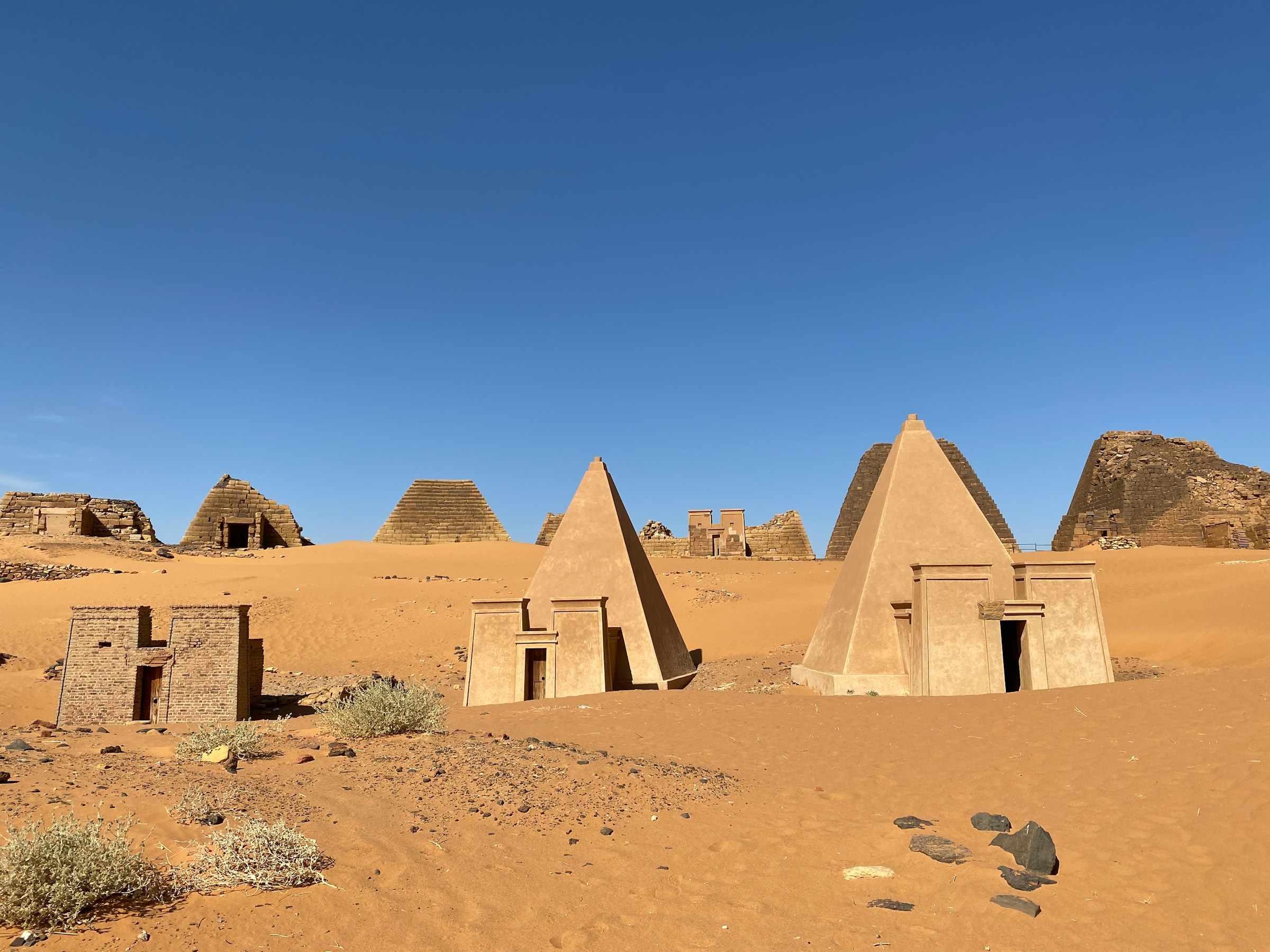
South Sudan

Africa
Capital:
Juba
Currency:
South Sudanese Pound (SSP)
Risk:
Very High
πŸ“‹

Health Overview

South Sudan Level 4 where armed conflict ongoing, landmines cause casualties, non-emergency U.S. personnel departed March 2025. Healthcare among most limited on Earth. No paved roads outside Juba, no ambulance, no emergency number.
βš•

Key Health Risks

High
Malaria
Hyperendemic chloroquine-resistant P. falciparum year-round including Juba.
Very High
Armed Conflict / Landmines
Active armed conflict. Landmines unmarked. Roads unsafe. Aid workers targeted.
High
Meningococcal Disease
Meningitis belt. MenACWY strongly recommended. Meningitis without ICU rapidly fatal.
⛑️

Health Risk Callout

Highest TB globally. Kala-azar endemic fatal without treatment. Polio β€” booster mandatory. No ambulance.
πŸ₯

Other Health Risks

Cholera (ACTIVE β€” ongoing outbreak with sustained response through 2026 per WHO AFRO; strict water and food precautions essential, and oral cholera vaccine counseling is reasonable for humanitarian deployments); Ebola β€” regional (an Ebola (Bundibugyo virus) outbreak in the neighbouring DRC and Uganda was declared a WHO Public Health Emergency of International Concern on May 17 2026 and is cited in the current South Sudan State Department advisory; no transmission documented within South Sudan, but the regional risk is relevant to itineraries near the DRC and Uganda borders); Meningococcal disease; Typhoid; Rabies; Tuberculosis; Poliovirus; Kala-azar (visceral leishmaniasis); Schistosomiasis.
πŸ—Ί

Regional Information

Regional Risk Callout
Risk extreme throughout. Juba most functional but armed robbery. Outside Juba: ambushes, cattle raiding. Landmines scattered unmarked.
Regional Healthcare Callout
No capacity outside Juba. Medevac to Nairobi (AMREF). FAA NOTAM/SFAR.
πŸ’‰

Vaccine and Malaria Prevention

πŸ’‰ Entry Vaccine Required
Yellow fever certificate required for all travelers.
πŸ›‘οΈ Recommended Vaccines
Routine; YF (required); Hep A; Hep B; Typhoid; Rabies; Polio booster (required); Cholera; Meningococcal (meningitis belt β€” essential Dec-Jun)
🦟 Malaria Information
  • Risk Level: High
  • Areas: All areas year-round; highest during/after wet season May-October
  • Recommended Drug: Atovaquone-proguanil; doxycycline; mefloquine; tafenoquine
  • Drug Resistance: Yes

P. falciparum chloroquine-resistant hyperendemic including Juba. Top cause of death.

High
πŸ‘¨

Physician Note

R
Dr. Robert
Emergency Medicine Β· 25+ Years Β· 40+ Countries

I do not recommend travel here currently. South Sudan is Level 4, non-emergency embassy staff left in March 2025, and the 2018 peace agreement has effectively been suspended β€” the first vice president has been on trial since September 2025 and elections loom in December 2026, so assume the security floor can drop without warning. These notes are for authorized NGO and UN personnel. The clinical headline is cholera: over 102,000 cases and 1,600 deaths by April 2026 per UN OCHA, with a case fatality rate above the emergency threshold β€” a treatment-access failure more than a virulence story. That means rigid water discipline and oral cholera vaccine counseling before deployment.

Malaria is hyperendemic chloroquine-resistant P. falciparum, including Juba, year-round β€” still the leading killer here, so prophylaxis is absolute. MenACWY for the December–June meningitis belt season, yellow fever certificate as a hard entry requirement, and a polio booster β€” South Sudan is on CDC's global notice. One routing note: WHO declared the Ebola outbreak in the DRC and Uganda a public health emergency in May 2026, which complicates both the Nimule land corridor and Entebbe medevac routing β€” coordinate current screening requirements with your evacuation provider.

βœ…

Pre-Departure Checklist

8+ Weeks

  • DO NOT TRAVEL HERE β€” South Sudan is Level 4 (unrest, crime, kidnapping, landmines, health). Non-emergency embassy staff departed March 2025. Confirm whether the trip should proceed at all
  • Yellow fever β€” REQUIRED; certificate needed for all travelers
  • Polio booster β€” REQUIRED; South Sudan is on the poliovirus list
  • Cholera β€” outbreak ACTIVE, with sustained response through 2026 per WHO AFRO; oral cholera vaccine counselling is reasonable for humanitarian deployments
  • Meningococcal β€” meningitis belt; essential December–June
  • Routine vaccines including MMR
  • Hepatitis A
  • Hepatitis B
  • Typhoid
  • Rabies
  • Malaria prophylaxis for all areas year-round β€” chloroquine-resistant P. falciparum, hyperendemic including Juba, and the leading cause of death

2-4 Weeks

  • Confirm medical evacuation cover including landmine and trauma, plus a security organization β€” both mandatory
  • Confirm evacuation routing β€” Nairobi (AMREF) or Entebbe; the FAA NOTAM applies
  • For itineraries near the DRC or Uganda borders, note the Ebola (Bundibugyo virus) outbreak in neighbouring DRC and Uganda, declared a WHO PHEIC on May 17 2026 β€” no transmission documented inside South Sudan; confirm current screening requirements on the Nimule corridor
  • Water purification capability β€” many areas have no daily water supply
  • Carry a complete medication supply from home

Day Of

  • Police 777 β€” there is no ambulance service
  • US Embassy +211-912-105-188; after-hours +211-912-105-107
  • Juba Teaching Hospital, Juba
  • Bottled or purified water only; thoroughly cooked food only
  • Never leave marked paths β€” landmine contamination is documented
✈️

Trip Type Guidance

No trip types appropriate. Only authorized NGO/UN with landmine-aware planning.

πŸ—’οΈ

Notes

Special Evacuation Notes
Non-emergency staff departed March 2025. FAA NOTAM. Medevac to Nairobi (AMREF) or Entebbe. Landmine risk. The Ebola PHEIC covering DRC and Uganda (May 2026) may affect Entebbe routing and screening β€” confirm with the medevac provider.
Safety Notes
Active conflict. Landmines. Aid workers targeted. Strict curfew. Journalists killed.
partner recommendation
Medical Evacuation & Assistance
A medical crisis far from home can cost $50,000+ to evacuate. Global Rescue β€” the partner we personally trust β€” provides worldwide evacuation and round-the-clock medical assistance.
Get a quote
Good For
No items found.
Quick Info
  • Capital
    Juba
  • Language
    English; Arabic; Dinka; Nuer
  • Currency
    South Sudanese Pound (SSP)
  • State Dept Level
    4
  • Crime Risk
    Very High
  • Disaster Risk
    High β€” flooding May-October; unmarked landmines; drought
Water Safety
⛔️ Tap Water Not Safe to Drink
Tap water not safe. Many areas no daily water. Purification essential.
Top Hospital
Juba Teaching Hospital
Juba
South Sudan's national referral hospital and effectively the country's only one β€” government-run; Unity Avenue, Juba; established 1975; 512-580 beds (routinely over capacity with bed sharing); affiliated with the University of Juba. Services include an emergency department, surgery, obstetrics and gynaecology, and neonatal intensive care. Chronically short of medicines, equipment, and staff; historically dependent on ICRC, UN agency, and NGO support. A China-funded phase-two expansion and modernization is underway, due for completion mid-2027. Standards are well below Western equivalents β€” NGO-run facilities and the private AMI South Sudan clinic in Juba may be better options for travelers, and medical evacuation to Nairobi is the realistic plan for anything serious.
Emergency Numbers
777 (police); 623 (toll-free domestic violence hotline)
Emergency
No ambulance service
Ambulance
USΒ Embassy
+211-912-105-188 (After-hours: +211-912-105-107)
https://ss.usembassy.gov/
Resources
Primary Sources
Direct lines to the agencies that publish the world's most trusted travel-health guidance.