Sierra Leone

Africa
Capital:
Freetown
Currency:
Sierra Leonean Leone (NLE)
Risk:
High
📋

Health Overview

Sierra Leone has high malaria burden, inadequate healthcare throughout the country, and yellow fever is required at the border. The country is small with limited regional variation in health risk, but healthcare outside Freetown is essentially nonexistent. The key differentiator for travelers to Sierra Leone is yellow fever documentation at the border, malaria prophylaxis, and the recognition that any serious medical problem will require evacuation — the Freetown referral capacity for complex cases is minimal. Be sure to consult your Dr. prior to travel to discuss

Key Health Risks

High
Malaria
Year-round P. falciparum malaria with chloroquine resistance throughout all of Sierra Leone. No malaria-safe zones exist including Freetown. Atovaquone-proguanil or doxycycline are the preferred prophylactic agents. Do not rely on chloroquine-based regimens.
Moderate-High
Lassa Fever
Lassa fever is endemic in Sierra Leone — the country was one of the epicenters of the original Lassa fever description in the 1960s. Transmission via contact with the multimammate rat (Mastomys). Healthcare workers and individuals staying in rural homes are at highest risk. Rodent avoidance, strict food storage hygiene, and no ground-sleeping are the primary preventive measures.
High
Traveler's Diarrhea / Waterborne Illness
Cholera has active transmission in Sierra Leone. Typhoid and hepatitis A are endemic and common. Tap water is unsafe throughout the country including Freetown. All food and water hygiene measures are critical from arrival.
⛑️

Health Risk Callout

Sierra Leone's healthcare system remains fragile following the 2014-2016 Ebola epidemic. Polio is circulating (on the global poliovirus list). Rabies from dogs is a documented risk and post-exposure prophylaxis may not be reliably available. Pharmacies are not well regulated; locally sourced medications may be counterfeit or substandard.
🏥

Other Health Risks

Lassa fever; Rabies; Schistosomiasis; Tuberculosis; Cholera; Typhoid; Mpox; Traveler's diarrhea; HIV (prevalence elevated) | 2026 UPDATE: Mpox (Clade IIb): Sierra Leone experienced an explosive 2025 mpox epidemic (Clade IIb) that overwhelmed its health system — described as the first major Clade IIb outbreak in Africa; still reflected in WHO multi-country mpox situation reports (report no. 59-61) into 2026. Stored dossier lists mpox only as a minor 'Other Health Risk' entry. (https://www.science.org/content/article/explosive-mpox-outbreak-sierra-leone-overwhelms-health-systems, 2025-2026)
🗺

Regional Information

Regional Risk Callout
Sierra Leone is a small country with relatively uniform health risk distribution. Malaria transmission is intense and year-round throughout all provinces. The Western Area including Freetown has slightly better access to basic healthcare, but that bar is low. Bo, Kenema, Makeni, and other provincial towns have no meaningful hospital capacity by U.S. standards. The Freetown peninsula has beach access but coastal risks including strong currents. Border areas with Guinea and Liberia warrant additional caution.
Regional Healthcare Callout
Outside Freetown, no meaningful hospital care is available. Even Freetown lacks ICU capacity for complex cases. Medical evacuation to Dakar, Senegal or Accra, Ghana is the nearest reasonable option. Any traveler to Sierra Leone should have active medevac insurance naming a specific evacuation provider.
💉

Vaccine and Malaria Prevention

💉 Entry Vaccine Required
Yellow fever vaccination card is required for all travelers entering Sierra Leone.
🛡️ Recommended Vaccines
Routine vaccines; COVID-19; Yellow fever (required for all travelers); Hepatitis A; Hepatitis B; Typhoid; Rabies (dogs with rabies are commonly found); Polio booster (poliovirus circulating); Cholera (active transmission); Meningococcal (consider for extended stays); Chikungunya (elevated risk)
🦟 Malaria Information
  • Risk Level: High
  • Areas: All areas of Sierra Leone
  • Recommended Drug: Atovaquone-proguanil (Malarone); doxycycline; mefloquine; tafenoquine (G6PD testing required)
  • Drug Resistance: Yes

P. falciparum malaria with chloroquine resistance is present throughout all of Sierra Leone year-round. Transmission is intense even in Freetown. All travelers require prophylaxis. Fever within 12 months of return requires urgent malaria evaluation.

Moderate-High
👨

Physician Note

R
Dr. Robert
Emergency Medicine · 25+ Years · 40+ Countries

Sierra Leone has a specific clinical profile that every traveler here needs to understand. The most important fact: yellow fever is required at the border and they check. I have seen travelers denied entry or held at the airport for missing documentation.

Make sure your patients have the card, not just a vague memory of having gotten the vaccine. Lassa fever is the other under-discussed risk here — Sierra Leone is one of the historically endemic countries, and the mechanism is rodent contact (specifically the multimammate rat) and their excreta. Practical prevention: do not leave food uncovered in rooms, do not sleep on the ground, and avoid rural areas if your team has any immunocompromised members.

On malaria: chloroquine resistance is complete and atovaquone-proguanil is my first choice for most travelers. The healthcare system is fragile — this is a country still rebuilding from Ebola. Choithrams in Freetown is the reference hospital for the expat community, but their capacity for complex cases is limited.

Have an evacuation plan to Dakar or Accra before you land. Be sure to consult your Dr. prior to travel to discuss

Pre-Departure Checklist

8+ Weeks

  • Be sure to consult your Dr. prior to travel to discuss
  • CDC recommends Yellow fever vaccine (required at border — carry card
  • 10-day lead required)
  • Hepatitis A complete series
  • Typhoid
  • Polio booster
  • Begin malaria prophylaxis discussion
  • Initiate rabies pre-exposure series if rural or animal exposure anticipated
  • Cholera vaccine if staying in areas with active transmission.

2-4 Weeks

  • Confirm medevac insurance with named provider
  • Assemble travel medical kit with DEET repellent, oral rehydration salts, ciprofloxacin or azithromycin for traveler's diarrhea, and wound care supplies
  • Pay $25 airport security fee online at securipass.sl before travel.

Day Of

  • Start atovaquone-proguanil or doxycycline per schedule
  • Carry yellow fever card at border
  • Note emergency number 900 and nearest hospital address
  • Bring full supply of all medications.
✈️

Trip Type Guidance

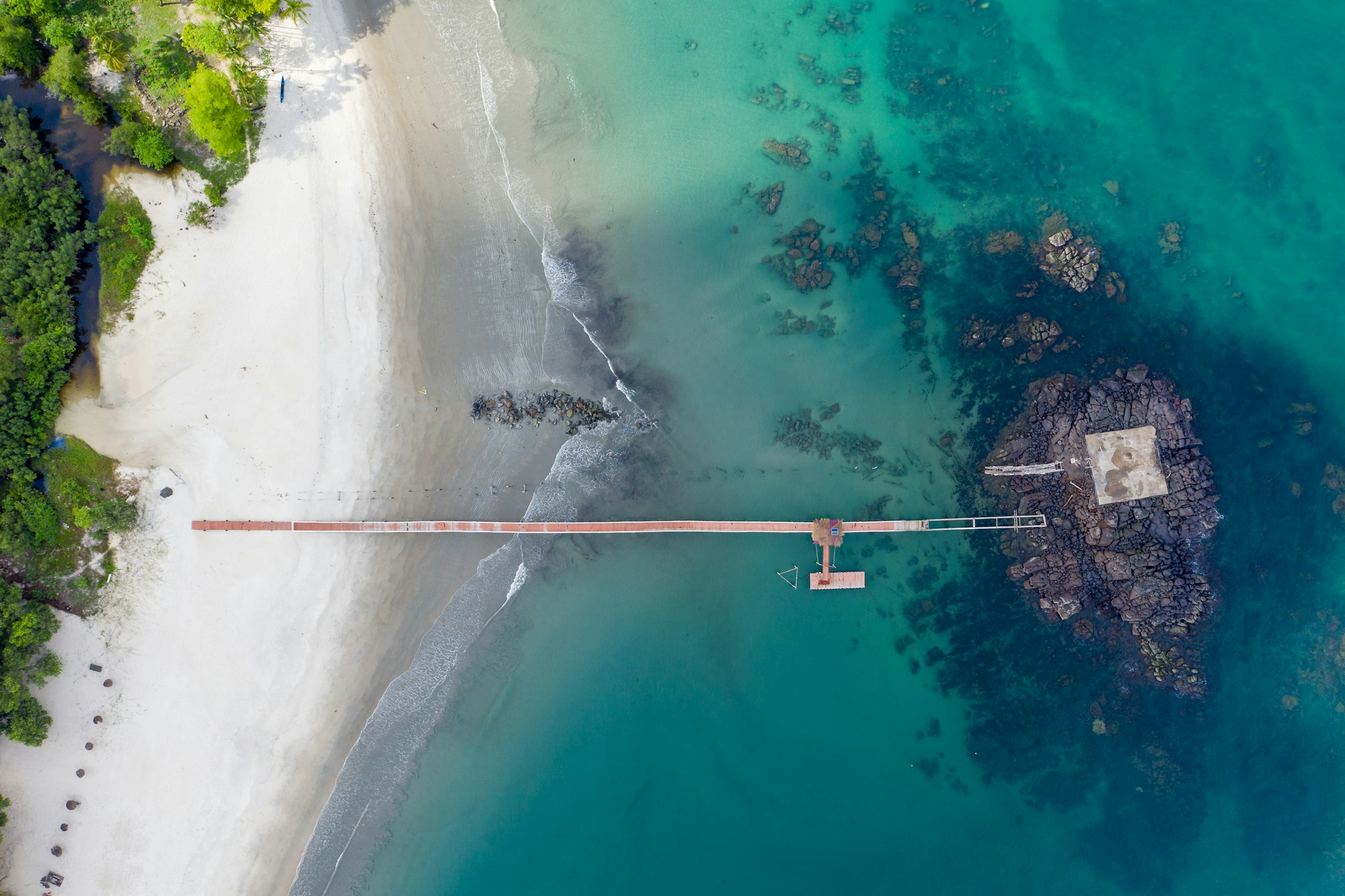
Beach travel: The peninsula beaches south of Freetown (Tokeh, River No. 2) are accessible in the dry season with appropriate caution. Do not swim alone and be aware of strong currents. Mission travel: Sierra Leone has substantial faith-based and humanitarian mission activity. Teams need full prophylaxis, yellow fever cards (border required), and a clear medevac plan.

🗒️

Notes

Special Evacuation Notes
Medical evacuation destination is typically Dakar (Senegal) or Accra (Ghana) for stabilization. For complex cases, South Africa or Europe. Medevac insurance with a named provider is required for all mission and extended-stay travelers.
Safety Notes
Crime in Freetown includes armed mugging, assault, and burglary. Gold scams targeting U.S. citizens are documented and increasingly common. Avoid nighttime travel outside Freetown; U.S. government employees are prohibited from traveling outside the capital after dark. Ferry to Lungi International Airport from Freetown has documented pickpocketing; allow 3 hours each way.
partner recommendation
Medical Evacuation & Assistance
A medical crisis far from home can cost $50,000+ to evacuate. Global Rescue — the partner we personally trust — provides worldwide evacuation and round-the-clock medical assistance.
Get a quote
Good For
Beach
Mission
Quick Info
  • Capital
    Freetown
  • Language
    English; Krio
  • Currency
    Sierra Leonean Leone (NLE)
  • State Dept Level
    2
  • Crime Risk
    Moderate
  • Disaster Risk
    Moderate — heavy seasonal flooding and landslides during the rainy season (May-November); the 2017 Freetown mudslide killed hundreds. Dry season brings Harmattan dust reducing visibility and causing respiratory symptoms
Water Safety
⛔️ Tap Water Not Safe to Drink
Tap water is not safe in Sierra Leone. In some areas it is not available daily. Bottled water only; verify the seal is intact. Do not use ice of uncertain origin. Many restaurants serve tap water by default unless bottled is requested.
Top Hospital
Choithrams Memorial Hospital
Freetown
One of the better-equipped private hospitals in Freetown; used by the expatriate and NGO community. Offers emergency care, basic surgery, and laboratory services. Located in the Hill Station area near the U.S. Embassy. Upfront payment required.
Emergency Numbers
900
Emergency
Emergency services are not reliably available; ambulance response is poor; a taxi to the nearest hospital is often the fastest option
Ambulance
US EMbassy
+232-99-105-500
https://sl.usembassy.gov/
Resources
Primary Sources
Direct lines to the agencies that publish the world's most trusted travel-health guidance.