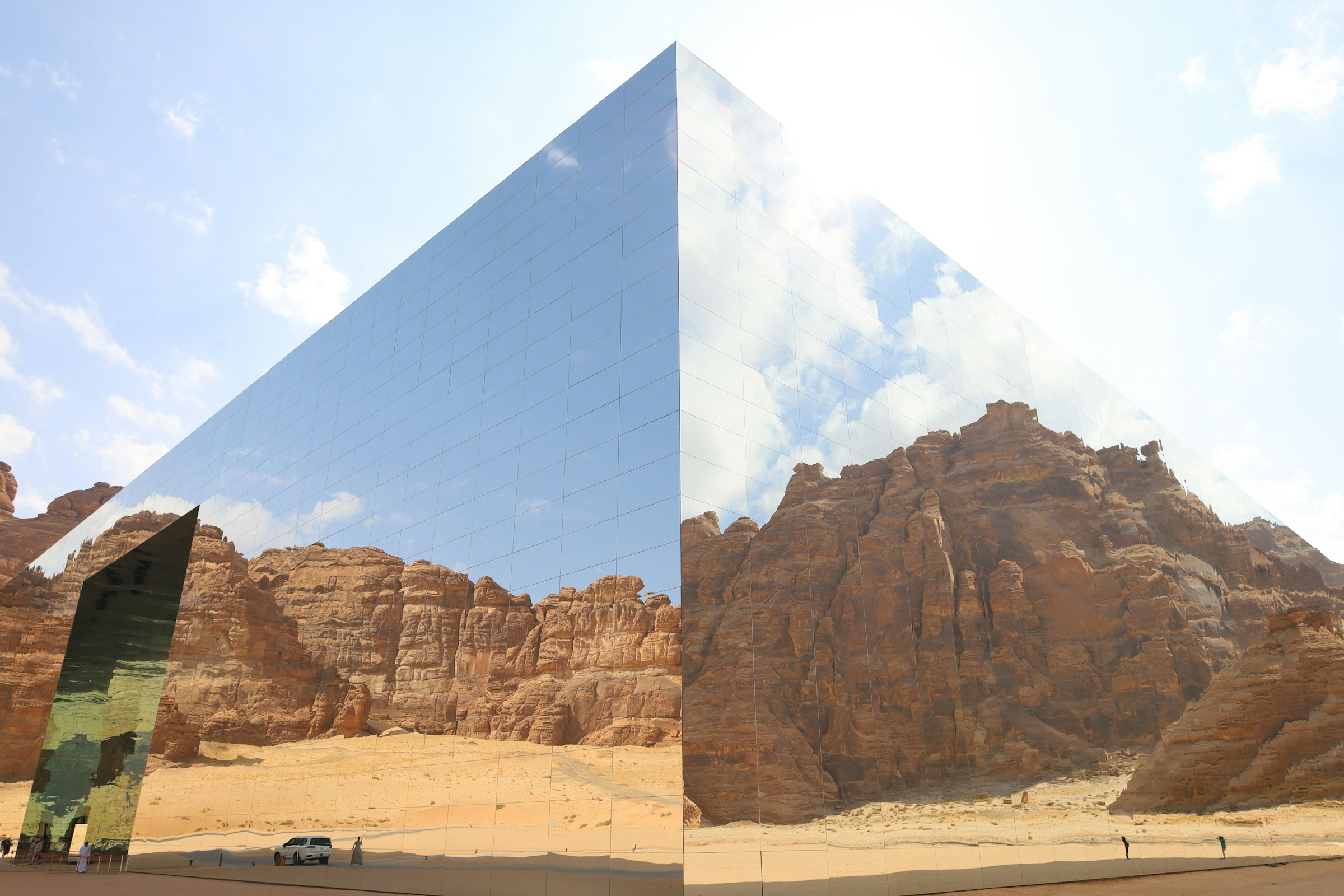
Saudi Arabia

Middle East
Capital:
Riyadh
Currency:
Saudi Riyal (SAR)
Risk:
Very High
📋

Health Overview

Saudi Arabia is at State Department Level 3 — Reconsider Travel — for terrorism and armed conflict, reissued 15 September 2026 with risk indicators Terrorism and Other. The March 2026 emergency has been stood down: the ordered departure of non-emergency U.S. government personnel has been lifted, family members may join employees working in the Kingdom as of 30 August 2026, and both U.S. Embassy Riyadh and U.S. Consulate General Jeddah are operating. What remains is an ongoing threat of drone and missile attacks from Iran following the 28 February hostilities, and a risk of terrorist violence. One area carries Level 4: Do Not Travel — the Yemen border. Clinically the destination is straightforward outside the Yemen border malaria zone, and healthcare in the major cities is good, though State Dept notes that medical care varies in quality and that ambulance services are unreliable outside large urban areas. Two non-clinical risks end trips and deserve more attention than the vaccines: exit bans can prevent departure over pending civil or criminal matters, and Saudi authorities may detain travelers over online activity judged critical, offensive or disruptive to public order (State Dept) — review your online activity before travel, including posts made outside the Kingdom. For Hajj or Umrah, meningococcal quadrivalent ACWY is a legal visa requirement. Be sure to consult your Dr. prior to travel to discuss.
⚕

Key Health Risks

Very High
Regional Armed Conflict — Drone and Missile Threat
Following the onset of hostilities between the United States and Iran on 28 February 2026, State Dept reports an ongoing threat of drone and missile attacks from Iran. The 15 September 2026 advisory reissue records that the March 2026 ordered departure has been lifted — as of 30 August 2026 family members may join U.S. government employees working in Saudi Arabia — and both U.S. Embassy Riyadh and U.S. Consulate General Jeddah are listed as operating. Separately, State Dept designates the Yemen border Level 4: Do Not Travel due to threat of terrorism, and restricts U.S. government employees from travelling within 20 miles of it. Confirm current conditions and flight status before travel; the picture has changed repeatedly through 2026. U.S. Embassy Riyadh +966-11-835-4000; State Dept 24/7 +1-202-501-4444.
High
Social Media Arrest Risk and Exit Bans
Saudi authorities arrest US citizens for social media posts made EVEN OUTSIDE Saudi Arabia. Delete/review all social media before entering. Exit bans: US citizens prevented from leaving for months/years due to financial disputes or family matters.
Moderate-High
MERS-CoV and Hajj Medical Risks
Saudi Arabia is global epicenter of MERS-CoV. Hajj mass gathering: 2+ million pilgrims; heat stroke during outdoor rituals; respiratory illness; stampede risk. Meningococcal ACWY is legal visa requirement for Hajj/Umrah.
⛑️

Health Risk Callout

Saudi Arabia is Level 3 for terrorism and armed conflict, reissued 15 September 2026, with an ongoing threat of drone and missile attacks from Iran; the March 2026 ordered departure has been lifted and both posts are operating. The item that most often derails a trip is not clinical: for Hajj or Umrah, meningococcal quadrivalent ACWY is a legal visa requirement, and the wrong product — MenB or MenC alone — means denied entry. Exit bans and detention over online activity are the other two trip-ending risks.
🏥

Other Health Risks

Extreme summer heat (108 to 113°F); Road safety (very high fatality rate); LGBTQ+ criminalization
🗺

Regional Information

Regional Risk Callout
Riyadh: capital; U.S. Embassy Riyadh and KFSH&RC. Jeddah: Hajj and Umrah gateway; U.S. Consulate General Jeddah operating. Eastern Province: oil industry; State Dept restricts U.S. government employees from non-essential travel to Qatif and requires special authorization for Qatif province — an employee restriction, not a Level 4 designation for all travelers. Jizan, Asir and Najran: special authorization required for U.S. government employees. Mecca and Medina: closed to non-Muslims; Hajj and Umrah destinations. Yemen border: the only Level 4 Do Not Travel zone State Dept designates in Saudi Arabia, due to threat of terrorism; U.S. government employees are additionally barred from travelling within 20 miles of it. Malaria risk in Saudi Arabia is confined to the Yemen border area.
Regional Healthcare Callout
Healthcare quality in Riyadh, Jeddah, and the Eastern Province is high — KFSH&RC (Riyadh) is JCI-accredited and world-class; Dr. Sulaiman Al Habib and Saudi German Hospital operate major private networks across the Kingdom. Care is far more limited in rural areas and near the Yemen border (Level 4 Do Not Travel zone). State Dept reports that medical care varies in quality, that health facilities are available in all major cities but adequate care is harder to find in rural areas, and that ambulance services are not present or are unreliable in most areas except large urban areas. U.S. Embassy Riyadh and U.S. Consulate General Jeddah are operating and can help locate medical care.
💉

Vaccine and Malaria Prevention

💉 Entry Vaccine Required
YF required from endemic countries. HAJJ/UMRAH: Meningococcal ACWY MANDATORY for all travelers ≥1 year; certificate required for visa; ≥10 days before arrival.
🛡️ Recommended Vaccines
Routine vaccines; Hep A; Hep B; Typhoid; Meningococcal ACWY (REQUIRED for Hajj/Umrah); Rabies for extended stays
🦟 Malaria Information
  • Risk Level: Low
  • Areas: Yemen border area only (within 20 miles)
  • Recommended Drug: Chloroquine; atovaquone-proguanil; doxycycline; mefloquine
  • Drug Resistance: No

Malaria only in Yemen border Level 4 zone. No prophylaxis needed for Riyadh; Jeddah; Mecca; Medina; Dammam or any standard itinerary.

Low
👨

Physician Note

R
Dr. Robert
Emergency Medicine · 25+ Years · 40+ Countries

Saudi Arabia has stopped being a crisis consultation. The March 2026 ordered departure has been lifted, family members may join U.S. government employees again as of 30 August 2026, and both U.S. Embassy Riyadh and U.S. Consulate General Jeddah are operating. The advisory remains Level 3 for terrorism and armed conflict, with an ongoing threat of drone and missile attacks from Iran, so this is now a preparation conversation rather than an evacuation one.

For Hajj or Umrah the most consequential item is paperwork, not clinical judgment. Meningococcal quadrivalent ACWY is a legal visa requirement for pilgrims and seasonal workers, and the wrong product is the failure mode to guard against — MenB or MenC alone will not satisfy it. Confirm quadrivalent ACWY by name on the certificate, and allow the lead time the Saudi requirement specifies before arrival.

Two non-clinical risks end more Saudi trips than anything in the vaccine column. Exit bans can prevent departure over pending civil or criminal matters, including financial disputes — settle outstanding obligations before travel, not after arrival. And Saudi authorities may detain travelers over online activity they judge critical, offensive, or disruptive to public order, including posts made outside the Kingdom.

Practical numbers: 911 general emergencies, 997 ambulance, 937 emergency medical services. State Dept reports ambulance services are unreliable or absent outside large urban areas, so beyond Riyadh, Jeddah, and the Eastern Province, evacuation cover matters more than the local number. Be sure to consult your Dr. prior to travel to discuss.

✅

Pre-Departure Checklist

8+ Weeks

  • Level 3 — Reconsider Travel for terrorism and armed conflict, reissued 15 September 2026. Confirm the trip should proceed, and that your employer or institution accepts a Level 3 destination
  • HAJJ/UMRAH: meningococcal quadrivalent ACWY is a legal visa requirement for pilgrims and seasonal workers — confirm the quadrivalent ACWY product (not MenB or MenC alone) and allow the lead time before arrival that the Saudi requirement specifies
  • Visa: apply for an e-visa before travel or obtain one on arrival
  • CDC recommends routine vaccines
  • Hepatitis A
  • Hepatitis B
  • Typhoid
  • Yellow fever if arriving from a country where yellow fever vaccination is required for entry
  • Rabies for extended stays.

2–4 Weeks

  • Register with STEP for advisory and security updates
  • Review and clean your online activity, including posts made outside the Kingdom — State Dept warns Saudi authorities may detain travelers over posts judged critical, offensive, or disruptive to public order
  • Confirm no outstanding financial or legal obligations that could trigger an exit ban
  • Confirm in writing what your policy covers: standard policies frequently exclude losses arising from armed conflict, and supplemental medical evacuation cover is strongly recommended
  • Confirm flight status before departure — the ongoing drone and missile threat from Iran has disrupted routings repeatedly through 2026.

Day Of

  • Emergency 911 (general); 999 (police)
  • Ambulance 997; fire 998; emergency medical services 937
  • State Dept reports ambulance services are not present or are unreliable in most areas except large urban areas — plan private transport to a hospital outside major cities
  • U.S. Embassy Riyadh: +966-11-835-4000
  • U.S. Consulate General Jeddah: +966-12-220-5000
  • State Dept 24/7 from abroad: +1-202-501-4444
  • MERS-CoV: no camel contact, no camel products, no unpasteurized camel milk
  • Extreme heat: hydration is a clinical priority, particularly during outdoor rituals.
✈️

Trip Type Guidance

Business

  • Major business destination (Vision 2030; NEOM; Aramco). The advisory is Level 3 for terrorism and armed conflict — confirm your organization accepts that level. A visa is required; apply for an e-visa before travel or obtain one on arrival.
  • Settle any outstanding financial or legal matters before travel: State Dept reports U.S. citizens have been prevented from leaving Saudi Arabia under exit bans tied to pending civil and criminal cases.
  • Review your online activity before travel, including posts made outside the Kingdom.

Pilgrimage

  • Hajj and Umrah: meningococcal quadrivalent ACWY is a legal visa requirement for all pilgrims and for seasonal workers (State Dept). It must be the quadrivalent ACWY product — MenB or MenC alone will not satisfy the requirement.
  • Mecca and Medina are closed to non-Muslims.
  • Extreme heat during outdoor rituals makes hydration a clinical priority; MERS-CoV means avoiding camel contact.
🗒️

Notes

Special Evacuation Notes
U.S. Embassy Riyadh: +966-11-835-4000 (main and emergency after hours), Abdullah Ibn Hudhafah As Sahmi Street, Roundabout no. 9, Diplomatic Quarter, Riyadh. U.S. Consulate General Jeddah: +966-12-220-5000 (main and emergency after hours), Al Safa Street, Al Muhammadiyah District, Jeddah. State Dept 24/7: +1-202-501-4444 (from abroad). Following the 28 February 2026 hostilities between the United States and Iran there remains an ongoing threat of drone and missile attacks from Iran — confirm flight status before relying on a departure routing. State Dept reports that ambulance services are not present or are unreliable in most areas except large urban areas, and that health facilities are available in all major cities but adequate care is harder to find in rural areas; medical evacuation cover is strongly recommended.
Safety Notes
State Dept Level 3 — Reconsider Travel — for terrorism and armed conflict, reissued 15 September 2026; risk indicators Terrorism and Other. The March 2026 ordered departure has been lifted: as of 30 August 2026 family members may join U.S. government employees working in Saudi Arabia. Following the 28 February 2026 hostilities between the United States and Iran there remains an ongoing threat of drone and missile attacks from Iran, and there is risk of terrorist violence including terrorist attacks and other activity. Do not travel to the Yemen border — State Dept designates it Level 4: Do Not Travel due to threat of terrorism. U.S. government employees are additionally restricted from travelling within 20 miles of the Yemen border and from non-essential travel to Qatif, and require special authorization for Jizan, Asir, Najran and Qatif provinces. Exit bans: U.S. citizens have been prevented from leaving Saudi Arabia, and exit bans may relate to pending criminal and civil investigations — settle financial and legal obligations before travel. Social media: State Dept warns that Saudi authorities may detain you if they consider your posts or other online activity critical, offensive, or disruptive to public order; review and clean your online activity before travel, including posts made outside the Kingdom. Emergency services: 911 general emergencies; 999 police; 997 ambulance; 998 fire; 937 emergency medical services. U.S. Embassy Riyadh +966-11-835-4000 and U.S. Consulate General Jeddah +966-12-220-5000 are operating.
partner recommendation
Medical Evacuation & Assistance
A medical crisis far from home can cost $50,000+ to evacuate. Global Rescue — the partner we personally trust — provides worldwide evacuation and round-the-clock medical assistance.
Get a quote
Good For
Business
Quick Info
  • Capital
    Riyadh
  • Language
    Arabic (official); English in business and healthcare
  • Currency
    Saudi Riyal (SAR)
  • State Dept Level
    3
  • Crime Risk
    Moderate. State Dept's risk indicators for Saudi Arabia are Terrorism and Other; crime is not among them. Exit bans and detention over online activity are the more likely traveler-facing legal risks.
  • Disaster Risk
    High — ongoing drone and missile threat from Iran; earthquake risk in western Saudi Arabia; extreme summer heat (108 to 113°F)
Water Safety
⛔️ Tap Water Not Safe to Drink
Tap water generally safe by WHO standards in major cities. Bottled water universally available and preferred.
Top Hospital
King Faisal Specialist Hospital and Research Center (KFSH&RC) — Riyadh
Riyadh
King Faisal Specialist Hospital & Research Centre (KFSH&RC), Riyadh — JCI-accredited academic medical center; ~1,600 beds at the Riyadh campus; Level II trauma center; national referral center for oncology, organ transplantation, cardiac surgery, and genetic diseases; helipad on site. Tel: +966-11-464-7272 (hospital's own contact page). Branches in Jeddah (+966-12-667-7777) and Madinah. Healthcare quality is high in major Saudi cities. During periods of regional hostilities, hospitals remain functioning but access may be complicated by security conditions — verify current conditions and contact the State Dept for guidance before relying on any specific facility.
Emergency Numbers
911 (general emergencies); 999 (police); 997 (ambulance); 998 (fire); 996 (traffic police); 1919 (domestic violence hotline); 116111 (child abuse hotline)
Emergency
997 (ambulance); 937 (emergency medical services — State Dept health section). Ambulance services are not present or they are unreliable in most areas except large urban areas (State Dept)
Ambulance
US Embassy
+966-11-835-4000 (main, U.S. Embassy Riyadh; State Dept lists the same number for emergency after hours). Abdullah Ibn Hudhafah As Sahmi Street, Roundabout no. 9, Diplomatic Quarter, Riyadh, Saudi Arabia. U.S. Consulate General Jeddah: +966-12-220-5000 (main and emergency after hours), Al Safa Street, Al Muhammadiyah District, Jeddah. State Dept 24/7: +1-202-501-4444 (from abroad).
https://sa.usembassy.gov
Resources
Primary Sources
Direct lines to the agencies that publish the world's most trusted travel-health guidance.