
.svg)
Rwanda
Health Overview
Key Health Risks
Health Risk Callout
Other Health Risks
Regional Information
Vaccine and Malaria Prevention
- Risk Level: High
- Areas: All of Rwanda including Kigali; Akagera National Park; Volcanoes National Park; Lake Kivu; and Nyungwe Forest National Park. Rwanda's elevated terrain (most of the country is above 4,900 feet) reduces but does not eliminate malaria transmission — transmission occurs throughout the country year-round. CDC Yellow Book confirms malaria present throughout Rwanda. P. falciparum; chloroquine-resistant.
- Recommended Drug: Atovaquone-proguanil; doxycycline; or mefloquine.
- Drug Resistance: Yes
Chloroquine-resistant P. falciparum is endemic throughout Rwanda. Do not use chloroquine for Rwanda malaria prevention. The country's high altitude (Kigali at 5,100 feet; Volcanoes NP at 7,900-14,800 feet) reduces transmission compared to lowland East Africa but does not eliminate it — all Rwanda travelers require prophylaxis.
Physician Note
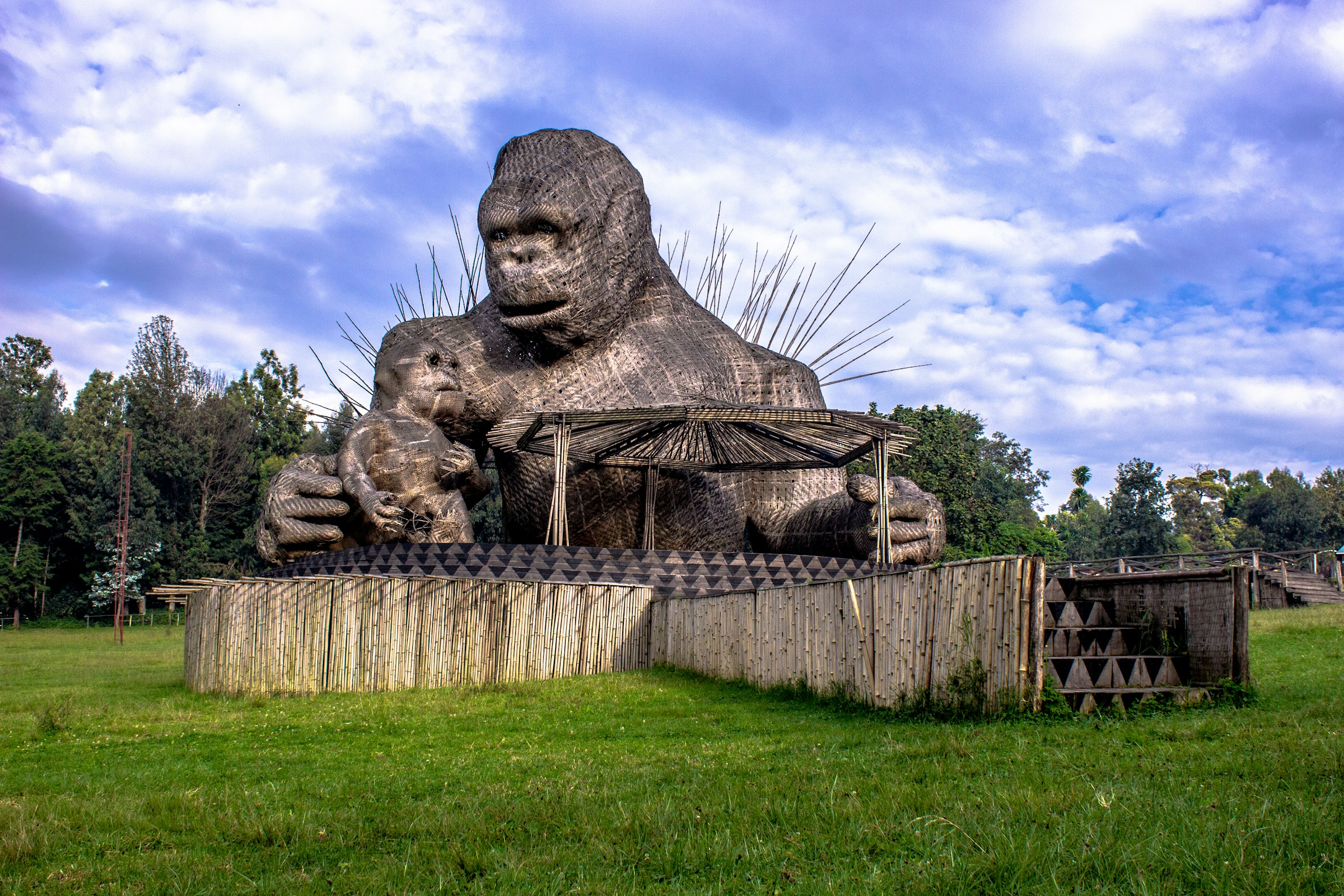
Rwanda is one of the most rewarding pre-travel conversations in all of Africa — because the juxtaposition is so striking. Kigali is one of the cleanest; safest; most efficiently governed cities on the continent. And then 2 hours north; you're tracking mountain gorillas at 9,800 feet in the volcanic rainforest in a Level 4 DRC border zone.
The pre-travel conversation covers all of it: the malaria (mandatory; including Kigali at 5,100 feet); the mpox (active outbreak confirmed December 2025); and the DRC border situation for anyone planning gorilla trekking. The gorilla respiratory illness rule is something I specifically discuss: if you have a cold or respiratory symptoms on the morning of your trek; you will be turned away at the park gate. This is Rwanda Development Board policy — the Mountain Gorillas are too endangered to risk human respiratory illness.
I tell travelers to pack extra antihistamines and know what 'respiratory symptoms' means in this context (fever; cough; runny nose) so they can make an honest assessment that morning.
Pre-Departure Checklist
8+ Weeks
- CDC recommends Malaria prophylaxis prescription (mandatory for all Rwanda itineraries — atovaquone-proguanil; Doxycycline; Or mefloquine)
- Hepatitis A
- Typhoid
- Hepatitis B if unvaccinated
- Verify gorilla trekking booking and Rwanda Development Board permit for Volcanoes NP.
2–4 Weeks
- Register with STEP
- Verify Level 4 DRC border zone current status with US Embassy Kigali before gorilla trekking
- Medical evacuation insurance
- DEET and permethrin-treated clothing for safari and forest areas
- Azithromycin self-treatment kit
- Confirm you are NOT sick with any respiratory illness before gorilla trekking (mandatory rule — will be turned away from park entrance if symptomatic).
Day Of
- US Embassy Kigali +250-252-596-400
- King Faisal Hospital Kigali +250-252-582-421
- Emergency 112
- Ambulance 912
- Carry malaria prophylaxis in carry-on
- Report to gorilla trekking coordinator any respiratory symptoms that morning. Consult with your Dr. prior to trip
Trip Type Guidance
Adventure
- Gorilla trekking in Volcanoes National Park (one of the world's most extraordinary wildlife encounters — Mountain Gorillas; Requires Rwanda Development Board permit; Full malaria prophylaxis; No trekking if sick with respiratory illness; Verify Level 4 DRC border zone safety before departure)
- Akagera National Park safari (East Africa's wildlife circuit; Malaria prophylaxis mandatory; DEET; ATBF permethrin-treated clothing)
- Nyungwe Forest chimpanzee tracking and canopy walk.
Mission
- Rwanda has a significant faith-based healthcare
- Community health
- Post-genocide reconciliation; and NGO presence
- King Faisal Hospital is a primary reference for mission healthcare workers
- Full expedition health preparation required.
