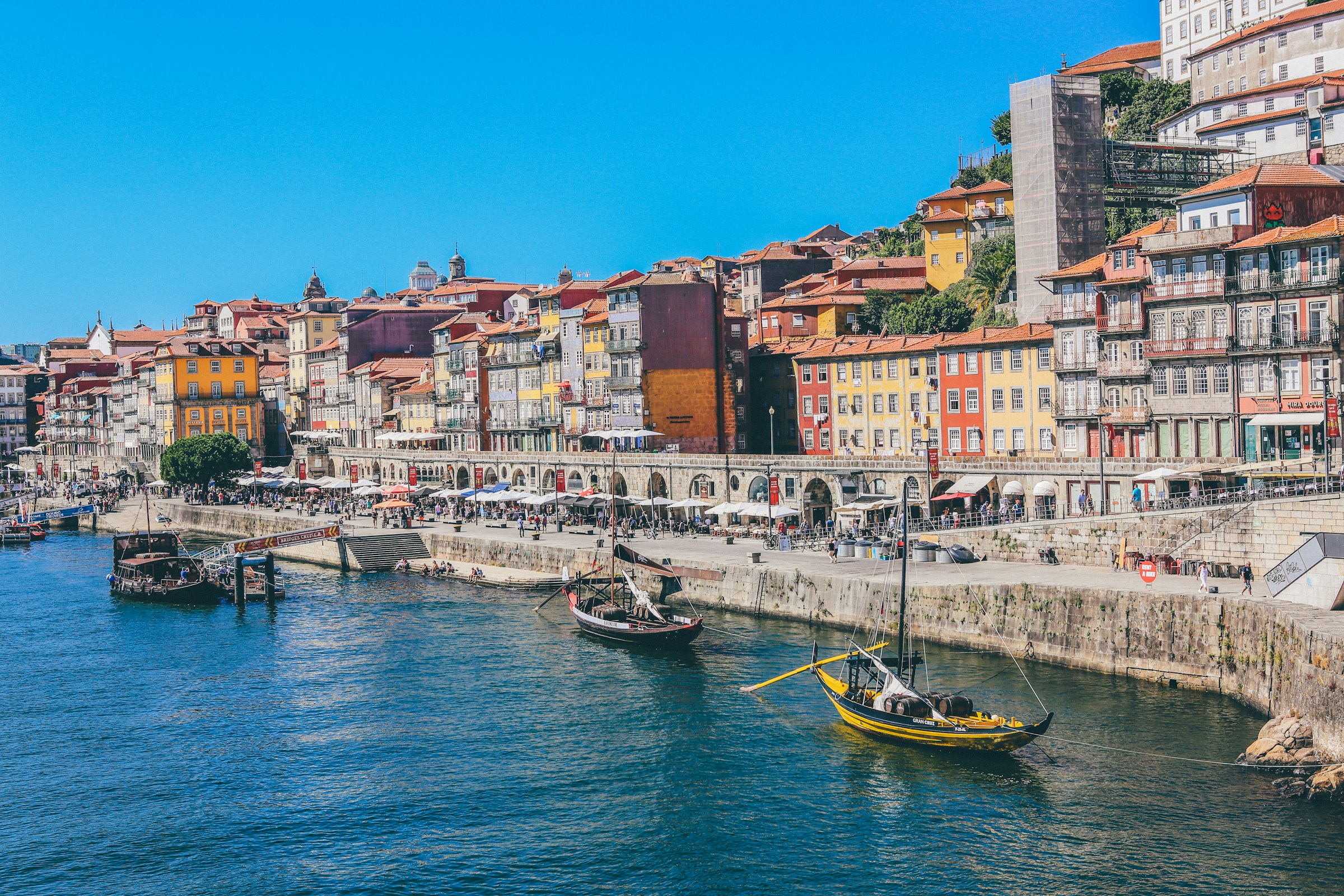
Portugal

Europe
Capital:
Lisbon
Currency:
Euro (€)
Risk:
Low
📋

Health Overview

Portugal is one of Western Europe's safest and most accessible travel destinations, with no malaria risk and excellent healthcare infrastructure in major cities. The primary health considerations are routine vaccinations recommended by the CDC, Hepatitis A for travelers venturing beyond Lisbon and Porto to rural areas, and awareness of leishmaniasis transmitted by sandflies in rural and southern regions. Wildfire risk is real from June through September in interior forests, and petty theft is the dominant urban safety concern. A prepared traveler books with a comprehensive travel health insurance policy, gets Hepatitis A confirmed, and stays aware of wildfire alerts when exploring the Alentejo or rural Algarve.

Key Health Risks

Low
Petty Theft
Pickpocketing and bag snatching in Lisbon (particularly Alfama and public transport) and Porto. Rental car break-ins common at beaches and tourist car parks. Vigilance required in crowded areas.
Low-Moderate
Wildfire Exposure
Wildfires are common in interior forests from June–September. Smoke inhalation risk for travelers with asthma or COPD. Monitor Proteção Civil alerts and avoid forested interior regions during red-flag fire weather.
Low
Leishmaniasis
Sandfly-transmitted cutaneous or visceral leishmaniasis is present in southern and rural Portugal. Risk is low for typical tourists but real for extended rural stays. No vaccine available; DEET-based repellent is the primary protection.
⛑️

Health Risk Callout

The most clinically actionable risk for travelers to Portugal is not infectious disease — it's trauma from road crashes and petty theft escalating to assault. On the health side, Hepatitis A remains the relevant vaccine for anyone venturing into rural areas or eating at local markets. Leishmaniasis is rare but warrants mention for travelers spending nights outdoors in the south.
🏥

Other Health Risks

Leptospirosis (flood/freshwater contact); Hantavirus (rodent exposure risk in rural areas); TB (low community risk)
🗺

Regional Information

Regional Risk Callout
Portugal's risk profile is highly uniform across the mainland. The Algarve, Lisbon, and Porto carry identical low health and safety risk levels. The Azores and Madeira are also low-risk autonomous island regions. The highest regional variation involves wildfire risk in interior forested zones (Alentejo, Central Portugal) during summer months — coastal tourist areas are largely unaffected.
Regional Healthcare Callout
Lisbon and Porto offer full tertiary-level care including trauma surgery, cardiology, and neurology. Rural Alentejo and interior regions have limited hospital infrastructure — the nearest major center may be 1+ hour away. The Algarve (Faro) has Hospital de Faro for acute care but transfers to Lisbon are common for complex cases. Travel insurance with medical evacuation coverage is strongly recommended for all Portugal trips.
💉

Vaccine and Malaria Prevention

🛡️ Recommended Vaccines
Per the CDC: Routine vaccines (MMR; Tdap; influenza; COVID-19 up to date); Hepatitis A (recommended for most travelers; higher priority for rural/village travel or street food); Hepatitis B (recommended for unvaccinated travelers under 60); Rabies (consider for extended outdoor or rural travel)
🦟 Malaria Information

No malaria risk.

Low-Moderate
👨

Physician Note

R
Dr. Robert
Emergency Medicine · 25+ Years · 40+ Countries

Portugal is genuinely one of the most physician-friendly destinations in Europe — meaning I sleep soundly when patients tell me they're going. The healthcare system in Lisbon and Porto is excellent, and the primary risks here are behavioral, not infectious. That said, there are a few things I always flag.

First, Hepatitis A: many travelers assume they're covered but can't actually confirm their vaccination history. If you're doing anything beyond the hotel-beach-restaurant circuit — exploring rural villages, eating from market stalls, doing a river gorge hike — confirm Hep A immunity before you go. Second, leishmaniasis is genuinely present in southern Portugal.

It's sandfly-transmitted, it's treatable with liposomal amphotericin B, but it's slow to present and easy to miss on return. Travelers doing extended rural or overnight outdoor stays in the Alentejo or Algarve hills should be using DEET conscientiously. Third, wildfires in summer are a serious respiratory hazard for travelers with asthma — June through September interior trips require monitoring the Proteção Civil fire alerts.

Portugal's public hospitals, led by Hospital de Santa Maria in Lisbon, are solid — but travel insurance with medevac coverage is standard advice for any international trip.

Pre-Departure Checklist

8+ Weeks

  • CDC recommends to confirm Hepatitis A vaccination status and get vaccinated if not immune
  • Confirm Hepatitis B series is complete for unvaccinated travelers under 60.

2–4 Weeks

  • Pack DEET-based insect repellent (20%+) for rural and evening outdoor use
  • Review State Dept wildfire alerts if traveling June–September to interior regions
  • Obtain comprehensive travel insurance with medical evacuation coverage.

Day Of

  • Save 112 (emergency) and the US Embassy Lisbon number (+351 21 770-2122) in your phone
  • Carry a photocopy of your passport separately from the original
  • Lock valuables out of sight in any rental vehicle.
✈️

Trip Type Guidance

Adventure

  • Portugal's Algarve sea caves, Peneda-Gerês national park, and surfing at Nazaré offer excellent adventure travel with manageable risk — standard outdoor precautions apply

Family

  • Excellent family destination — safe, pediatric healthcare available in cities, and child-friendly beaches throughout the Algarve

Beach

  • One of Europe's premier beach destinations — Atlantic coast with consistent surf conditions and Mediterranean-quality southern beaches

Business

  • Lisbon is a growing tech and finance hub with excellent infrastructure, English widely spoken in business settings
🗒️

Notes

Special Evacuation Notes
Medical evacuation to the United States is available via commercial medevac services. Portugal's EU membership means excellent coordination with European medical systems. For complex trauma or cardiac cases, Lisbon's Hospital de Santa Maria is the principal public referral center.
Safety Notes
Petty theft is the dominant safety concern, particularly in Lisbon's tourist corridors (Alfama, Bairro Alto, Rossio), on tram Line 28, and at Lisbon Airport arrivals. Never leave valuables visible in rental cars — sticker-identified rentals are specifically targeted. Wild swimming is popular in river gorges but currents and flash floods claim lives annually.
partner recommendation
Medical Evacuation & Assistance
A medical crisis far from home can cost $50,000+ to evacuate. Global Rescue — the partner we personally trust — provides worldwide evacuation and round-the-clock medical assistance.
Get a quote
Good For
Adventure
Family
Beach
Business
Quick Info
  • Capital
    Lisbon
  • Language
    Portuguese
  • Currency
    Euro (€)
  • State Dept Level
    1
  • Crime Risk
    Low
  • Disaster Risk
    Moderate — wildfire risk June–September in interior regions; flooding risk in autumn/winter; occasional heatwaves in July–August
Water Safety
✅ Tap Water Safe
Tap water meets EU safety standards throughout mainland Portugal and is safe to drink. Regional taste variation (mineral content, chlorine) is common — Algarve water tastes harder. In extremely remote rural properties with private wells, verify with locals. In restaurants, bottled water is typically served by default; request tap water (água da torneira) if preferred.
Top Hospital
Hospital CUF Descobertas (CUF Descobertas Hospital)
Lisbon
Private hospital in Lisbon with 24-hour emergency department, specialist consultants, and English-speaking staff. Widely used by expatriates and travelers. JCI accreditation. Tel: +351 21 002 5600.
Emergency Numbers
112
Emergency
112
Ambulance
US EMbassy
+351 21 770-2122
https://pt.usembassy.gov/
Resources
Primary Sources
Direct lines to the agencies that publish the world's most trusted travel-health guidance.