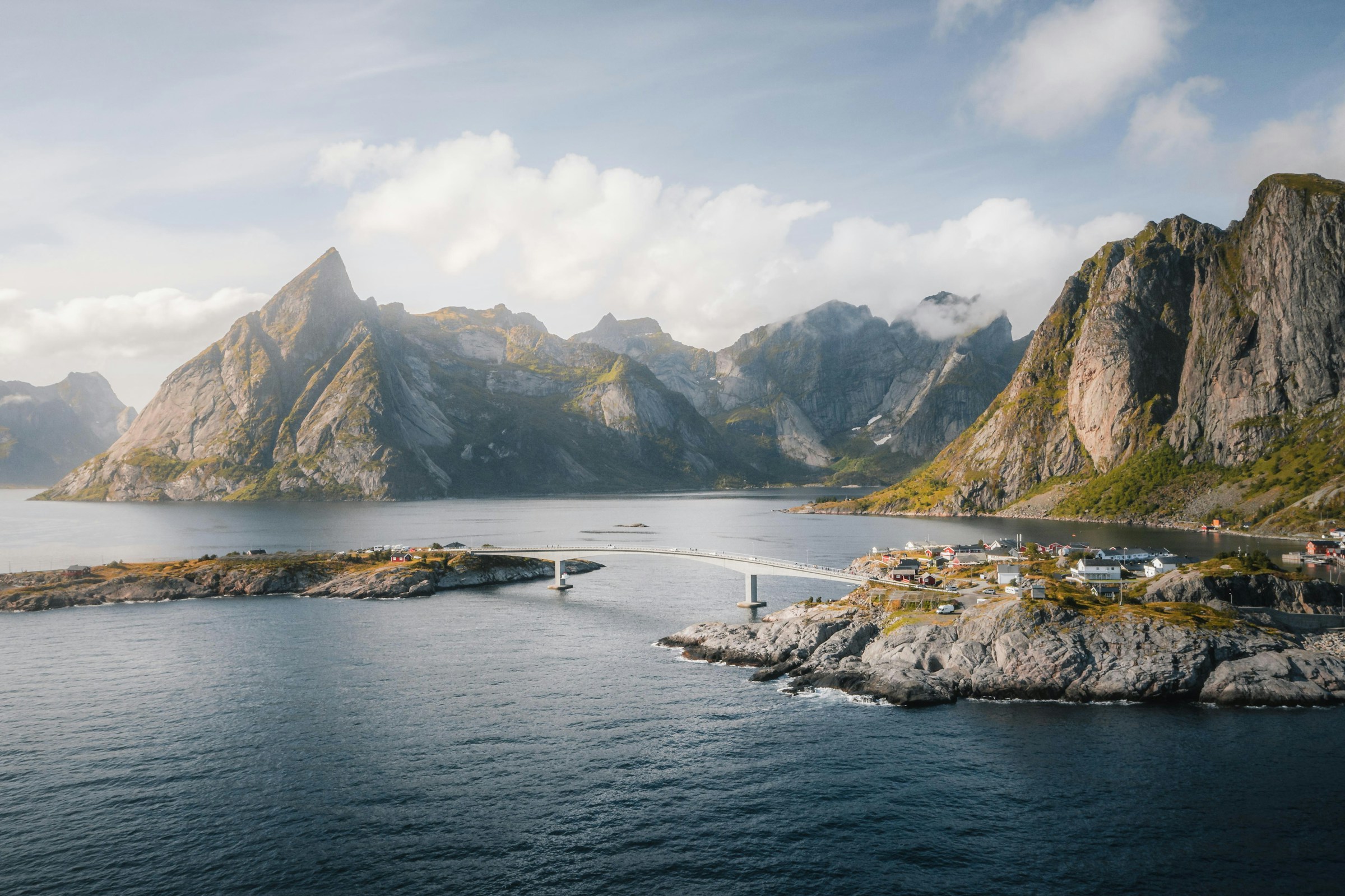
Norway

Europe
Capital:
Oslo
Currency:
Norwegian Krone (NOK — Norway is NOT an EU member and uses its own currency; Norway is a Schengen area member)
Risk:
Low
📋

Health Overview

Norway is among the world's most spectacular travel destinations — the fjords of western Norway (Geirangerfjord; Sognefjord); the Lofoten Islands; the Northern Lights from Tromsø; the midnight sun; the trolls-and-stave-church culture; and one of the world's highest standards of living and healthcare. The pre-travel conversation for Norway is genuinely brief: no malaria; no yellow fever; tap water among the purest in the world; world-class healthcare throughout. The main clinical discussions are TBE vaccine for southern coastal outdoor travelers; hypothermia and cold injury awareness for anyone visiting in winter or doing Arctic itineraries; and avalanche safety for winter mountain activities. Norway's extreme geographical range — from Oslo at 59°N to the North Cape at 71°N — creates genuinely different environmental challenges by latitude and season.

Key Health Risks

Low
Tick-Borne Encephalitis
TBE is endemic in southern coastal Norway — Oslo Fjord area; Vestfold county; Telemark; Buskerud — with documented cases reported annually. Norwegian TBE incidence is substantially lower than Czech Republic or the Baltic states but is present and clinically relevant for outdoor travelers in southern Norway's coastal and forested zones. The Oslo Fjord archipelago (Oslofjorden) including the islands of Nøtterøy and Tjøme has documented TBE foci. Risk period is April through November. TICOVAC discussion is appropriate for travelers doing significant outdoor activities in southern Norway. Risk is essentially absent above the tick habitat zone — northern Norway (Lofoten; Tromsø; Finnmark) has no TBE risk. Be sure to consult your Dr. prior to travel to discuss.
Moderate
Cold and Wilderness Injury
Norway's geographic extremes create genuine environmental hazard risk particularly for unprepared travelers. Hypothermia risk: fjord weather changes with extreme rapidity — a sunny day hiking the Trolltunga (troll's tongue) or Preikestolen (Pulpit Rock) can transition to wind; rain; and near-freezing conditions in minutes; always carry full waterproof layers; extra insulation; and high-calorie food on any Norwegian mountain hike regardless of weather at trailhead. Frostbite: northern Norway and Svalbard in winter (-20°C to -40°C wind chills possible in Tromsø in January) — adequate layering protocol is life-critical; never expose bare skin in extreme wind chill. Avalanche: Norwegian mountains have active avalanche zones; particularly in winter and spring; check Varsom avalanche forecast (varsom.no) before any mountain activity November-May. Polar bear risk: Svalbard only — dangerous predator; mandatory to carry rifle or travel with armed guide outside Longyearbyen settlement boundaries.
Low-Moderate
Fjord and Maritime Safety
Norwegian fjords present specific maritime hazards for kayakers; hikers; and ferry travelers. Fjord water temperature: Norwegian fjord water averages 8-12°C in summer — cold water shock and rapid incapacitation within 1-2 minutes of immersion if not wearing a drysuit or wetsuit. Wear a life jacket at all times on small boats. Tidal conditions around Lofoten and outer coast: strong currents and tidal races can create dangerous conditions for kayaks and small boats — check current and weather conditions meticulously before any maritime activity. Preikestolen and Trolltunga hiking: no guardrails; sheer drops from summits — vertigo-inducing environments; worn trail surfaces wet from rain can be slippery; hiking poles recommended; do not imitate the social media 'edge photos' that have caused deaths at both locations.
⛑️

Health Risk Callout

Norway's conversation is almost entirely about environmental hazard counseling rather than infectious disease. No TBE for northern Norway visitors; no malaria anywhere; no enteric risk. The one vaccine conversation is TBE for southern Norway coastal outdoor travelers. Beyond that; it is genuinely about preparation for Norway's dramatic environments: fjord weather that changes faster than any forecast; cold fjord water that makes a life jacket mandatory on any small boat; and Svalbard's polar bear requirement that makes guided travel the only sensible choice outside Longyearbyen. The Trolltunga and Preikestolen specific point is worth raising with any patient going to Norway for the iconic hikes — both have had deaths from falls; worn wet rock surfaces are genuinely hazardous; and the social media culture around edge photography at these locations has encouraged dangerous behaviors.
🏥

Other Health Risks

Sun exposure — surprising for Norway: UV index in Arctic summer with midnight sun can exceed 4-5 even at northern latitudes; snow and water both reflect UV intensively; sunscreen and sunglasses essential for Arctic summer itineraries; 24-hour daylight disrupts sleep — bring sleep mask and ear plugs for midnight sun areas; Road safety: Norwegian roads generally excellent; mountain passes may close in winter; summer driving in fjord country on single-track roads with passing places requires patience; electric vehicles dominate in Norway and charging infrastructure is excellent; moose (elks) on roads are a genuine nighttime hazard in forested areas; alcohol: 0.2‰ BAC driving limit — effectively zero-tolerance
🗺

Regional Information

Regional Risk Callout
Norway's health and safety risk profile varies dramatically by latitude; season; and environment. Oslo and southern coastal Norway (Vestfold; Telemark; around the Oslo Fjord): TBE endemic area — the densest tick populations in Norway are here; TICOVAC discussion indicated for outdoor activities April-November. Bergen; Fjord Norway (Geirangerfjord; Hardangerfjord; Nærøyfjord; Sognefjord): outstanding scenery; fjord hiking; limited TBE risk in alpine terrain above treeline; cold weather preparation for fjord weather which changes rapidly. Northern Norway (Nordland; Troms; Finnmark; Lofoten Islands; Tromsø; North Cape): no TBE risk — ticks are not established at these latitudes; cold and darkness are the primary environmental hazards; polar night (November-February north of Arctic Circle); midnight sun (May-August north of Arctic Circle); extreme hypothermia risk for inadequately prepared visitors. Svalbard: extreme arctic environment; polar bear risk outside settlements; mandatory rifle carry or guided tours only.
Regional Healthcare Callout
Healthcare throughout Norway is excellent by any global standard — consistently ranked among the world's best healthcare systems. Rural and remote Norway: helicopter rescue (HEMS) covers even remote fjord and mountain areas; Norway's search-and-rescue (SAR) infrastructure is world-class; 330 Squadron (RNoAF) and Norwegian Red Cross mountain rescue operate throughout the country. Svalbard: Longyearbyen Hospital provides basic acute care; serious emergencies evacuate to Tromsø (UNN) by air. In an emergency requiring specialist care beyond Norwegian capability (essentially never for US travelers); Oslo has direct connections to major European medical centers.
💉

Vaccine and Malaria Prevention

💉 Entry Vaccine Required
None — Norway has no entry vaccine requirements for US travelers.
🛡️ Recommended Vaccines
CDC recommends routine vaccines up to date (MMR; Tdap; influenza; COVID-19); Tick-borne encephalitis vaccine (TICOVAC — consider for travelers spending significant time in outdoor forested/coastal areas of southern Norway — Oslo Fjord region; Vestfold; Telemark — April through November; lower risk than Czech Republic but documented endemic area; risk essentially absent in northern Norway above tick habitat range) Be sure to consult your Dr. prior to travel to discuss.
🦟 Malaria Information

No malaria risk.

Moderate
Moderate
👨

Physician Note

R
Dr. Robert
Emergency Medicine · 25+ Years · 40+ Countries

Norway is the pre-travel consultation where the clinical conversation is almost entirely about environmental medicine rather than infectious disease — which is a delightful change of pace from many of the destinations in this project. TBE gets a brief mention for southern Norway coastal itineraries; not for Lofoten or Tromsø visitors where ticks genuinely don't exist. Beyond that; Norway is about cold; water; and weather.

The fjord water temperature deserves specific clinical emphasis because drowning from cold incapacitation is a preventable death — fjord water averages 10°C in summer; that is cold enough to cause swimming failure within minutes without a drysuit or wetsuit. I tell every Norwegian kayak or RIB traveler: life jacket is non-negotiable. The Trolltunga and Preikestolen fall fatalities are worth naming specifically — both locations have no guardrails; worn wet rock; and a social media culture that encourages fatal behavior at the edge.

Say it plainly to patients: don't do the edge photography; it has killed people.

Pre-Departure Checklist

8+ Weeks

  • CDC recommends be sure to consult your Dr. prior to travel to discuss TBE vaccine (TICOVAC)
  • Routine vaccine review (MMR
  • Tdap
  • Influenza
  • COVID-19).

2–4 Weeks

  • Register with STEP
  • Travel insurance with helicopter rescue capability
  • Waterproof and windproof outer shell layer — mandatory for any Norwegian outdoor activity
  • Check varsom.no (avalanche forecast) bookmark for mountain activities November-May
  • Life jacket plan for any maritime activities.

Day Of

  • US Embassy Oslo +47-21-30-85-40
  • Emergency 112
  • Ambulance 113
  • Fire 110
  • Check yr.no (Norwegian Met Office) weather forecast before any outdoor activity
  • Check varsom.no for avalanche conditions if in mountains
  • Carry full waterproofs regardless of morning weather
  • Life jacket before any small boat or kayaking activity.
✈️

Trip Type Guidance

Adventure

  • Trolltunga hike (one of the world's great hikes — 22-28km round trip
  • 1100m elevation gain
  • 8-10 hours
  • NO guardrails at the edge
  • Check varsom.no conditions
  • Carry full waterproof layers
  • Start before 6am for safety
  • No TBE risk at this altitude
  • Guided tour recommended for inexperienced hikers
  • Odda as base). Preikestolen/Pulpit Rock (4 hours round trip
  • 604m elevation
  • Enormous square rock platform
  • No guardrails
  • Wet surfaces slippery — hiking poles recommended
  • TBE: low risk on this trail). Sea kayaking Lofoten (spectacular archipelago
  • Cold fjord water — drysuit or wetsuit required
  • Life jacket mandatory
  • Check tidal currents daily
  • No TBE risk at this latitude
  • Midnight sun June-July allows extended paddling days). Northern Lights and Arctic experience (Tromsø
  • Alta
  • January-March optimal
  • Dog sledding
  • Snowshoeing
  • Polar night
  • Cold injury preparation essential — insulated boots to -30°C
  • Face covering for outdoor exposure).

Family

  • Norway is outstanding for family travel — English universally spoken
  • Extremely family-friendly culture
  • Stave churches
  • Fjord ferry cruises (child-friendly)
  • Viking ship museums in Oslo
  • Norwegian children's culture deeply outdoor-oriented — families welcome on most outdoor activities.

Business

  • Oslo is a major financial and energy sector hub — petroleum industry headquarters
  • Shipping companies
  • Sovereign wealth fund.
🗒️

Notes

Special Evacuation Notes
Medical evacuation from Norway to the US is logistically feasible via Oslo Gardermoen Airport. Within Norway; helicopter rescue (HEMS) covers fjord country and remote mountain areas effectively. Svalbard emergency evacuation: air to Tromsø (UNN) is the standard; serious emergencies may require onward transfer to Oslo. Travel insurance with helicopter rescue capability is strongly recommended for any Trolltunga; Preikestolen; or Svalbard itinerary. No unusual evacuation complexity for standard Norwegian itineraries.
Safety Notes
Norway is one of the world's safest travel destinations. Violent crime is rare; petty crime is minimal by international standards. The safety conversation for Norway is almost entirely about environmental preparedness: (1) Fjord weather: always carry full waterproof layers regardless of morning conditions — Norwegian weather changes without warning; (2) Life jacket: non-negotiable for any small boat; kayak; or RIB zodiac activity in fjord or coastal waters — fjord water temperature causes rapid incapacitation; (3) Trolltunga/Preikestolen hiking: check weather forecast; carry warm layers and rain gear; do not take edge photography risks that have caused fatal falls; allow 8-10 hours for Trolltunga; (4) Svalbard: polar bears are present throughout the archipelago outside Longyearbyen — never leave the settlement without a rifle or armed guide; (5) Avalanche: check varsom.no daily for mountain activities November-May; (6) Driving: mountain pass and fjord road driving requires attention; moose on rural roads after dark are a genuine hazard.
partner recommendation
Medical Evacuation & Assistance
A medical crisis far from home can cost $50,000+ to evacuate. Global Rescue — the partner we personally trust — provides worldwide evacuation and round-the-clock medical assistance.
Get a quote
Good For
Adventure
Family
Business
Quick Info
  • Capital
    Oslo
  • Language
    Norwegian — both Bokmål and Nynorsk are official written standards; spoken Norwegian varies significantly by region
  • Currency
    Norwegian Krone (NOK — Norway is NOT an EU member and uses its own currency; Norway is a Schengen area member)
  • State Dept Level
    1
  • Crime Risk
    Low
  • Disaster Risk
    High for winter mountain travelers — avalanche risk is the primary environmental danger (check varsom.no before any mountain activity); fjord flooding from extreme rainfall events; powerful Atlantic storms hitting western coastal Norway September-March; Arctic sea ice and polar bear risk in Svalbard; summer: occasional flooding from snowmelt; rare but documented flash floods in steep fjord valleys.
Water Safety
✅ Tap Water Safe
Tap water is safe throughout Norway and is among the purest in the world — Norwegian municipalities draw water from pristine mountain lakes and rivers; water treatment standards are excellent. Norwegian tap water is frequently preferred to bottled water by locals. Backcountry: glacial meltwater streams and mountain streams in remote areas may occasionally have Giardia (from wildlife); use a water filter for stream water in remote backcountry camping — this is a low risk but worth mentioning for extended wilderness stays.
Top Hospital
Oslo University Hospital (Oslo universitetssykehus — OUS) Rikshospitalet
Oslo
Norway's national hospital and one of Scandinavia's largest medical institutions — full specialty capability including transplantation; neurosurgery; complex pediatrics; and all emergency capabilities. OUS Ullevål is the main trauma center for the Oslo region. Norwegian hospitals throughout the country are excellent — Bergen: Haukeland University Hospital; Tromsø: University Hospital of North Norway (UNN — includes the world-renowned Center for Arctic Medicine).
Emergency Numbers
112 (police); 113 (ambulance); 110 (fire)
Emergency
113
Ambulance
US EMbassy
+47-21-30-85-40
https://no.usembassy.gov/
Resources
Primary Sources
Direct lines to the agencies that publish the world's most trusted travel-health guidance.