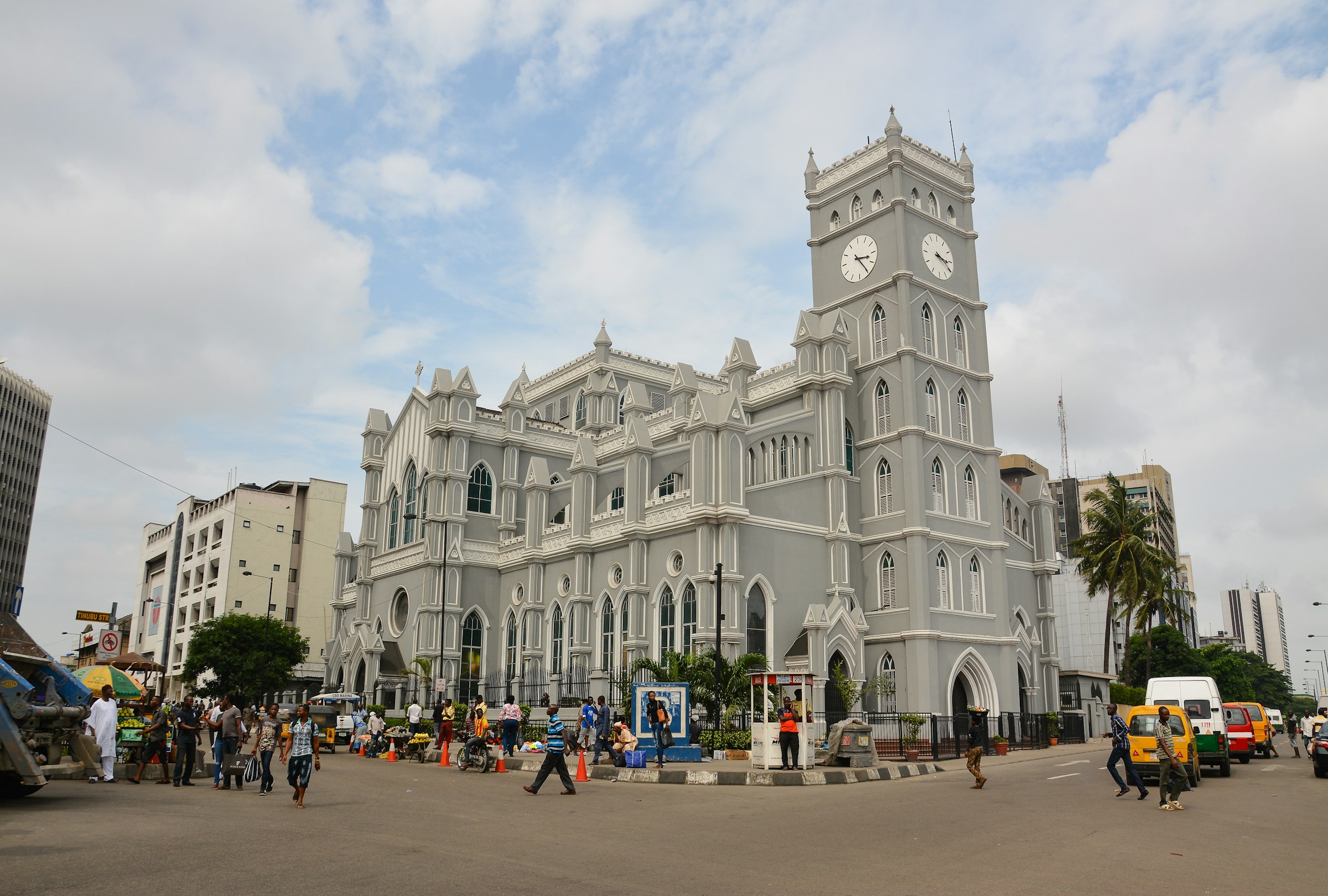
Nigeria

Africa
Capital:
Abuja
Currency:
Nigerian Naira (NGN)
Risk:
Very High
📋

Health Overview

Nigeria is Africa's most populous nation and presents one of the highest combined health and security risk profiles on the continent — malaria transmission is year-round and countrywide, and healthcare infrastructure cannot manage serious illness or trauma in most areas. Active yellow fever outbreaks have been documented as recently as 2024. The difference between a prepared traveler and a medical emergency here is a well-stocked kit, prophylaxis started before departure, and a clear medical evacuation plan. Be sure to consult your Dr. prior to travel to discuss

Key Health Risks

High
Malaria
P. falciparum malaria is transmitted year-round across all of Nigeria with documented chloroquine resistance. Atovaquone-proguanil or doxycycline are preferred first-line prophylactic agents. Returning travelers presenting with fever up to one year post-trip must be evaluated urgently.Be sure to consult your Dr. prior to travel to discuss
High
Yellow Fever / Diphtheria
Active yellow fever outbreaks were confirmed in multiple Nigerian states as recently as 2024 (Bauchi, Benue, Delta, Ebonyi, Enugu). A concurrent active diphtheria outbreak (Level 2 CDC notice, February 2024) affects multiple states — verify diphtheria vaccination status in all travelers before departure.
Moderate
Lassa Fever
Lassa fever is endemic throughout Nigeria, spread via contact with the multimammate rat (Mastomys natalensis) and its excreta. Rodent avoidance and strict hand hygiene are essential — avoid open food storage and ground-sleeping in rural areas. No vaccine available; ribavirin is used in treatment but with limited efficacy.
⛑️

Health Risk Callout

Nigeria carries simultaneous active outbreaks of yellow fever (2024), diphtheria (2024), and endemic Lassa fever — a risk combination not found in most destinations. Polio circulates in Nigeria; adult booster is required. Counterfeit pharmaceuticals including antimalarials are a serious documented problem.
🏥

Other Health Risks

Lassa fever; Tuberculosis; Schistosomiasis; Leptospirosis; Melioidosis; Rabies (endemic in dogs); Mpox; Traveler's diarrhea; Cholera | 2026 UPDATE: Lassa fever: Severe 2026 outbreak: Nigeria reported ~221 Lassa fever deaths in the first six months of 2026; NCDC issued repeated peak-season alerts (March 2026). This is a major escalation beyond the dossier's 'endemic' framing and should be surfaced as an active outbreak. (https://outbreaknewstoday.substack.com/p/nigeria-reports-221-lassa-fever-deaths, 2026-07)
🗺

Regional Information

Regional Risk Callout
Nigeria has extreme regional variation. The northeast (Borno, Yobe, northern Adamawa, Kogi) and large swaths of the northwest (Bauchi, Gombe, Kaduna, Kano, Katsina, Sokoto, Zamfara) are Level 4 — terrorists and armed gangs operate openly. The Niger Delta and Southeast (Abia, Anambra, Bayelsa, Delta, Enugu, Imo, Rivers) are also Level 4 due to kidnapping and armed groups. Abuja and Lagos are Level 3 but still carry significant risk; they are not safe destinations for casual travelers.
Regional Healthcare Callout
Healthcare outside Lagos and Abuja is severely limited. In the northeast, adequate care is essentially nonexistent. Even in major cities, blood supply is unreliable and complex surgical care may not be available. Medical evacuation to South Africa or Europe is the realistic plan for serious illness.
💉

Vaccine and Malaria Prevention

💉 Entry Vaccine Required
Yellow fever vaccine is required for travelers arriving from countries with yellow fever transmission risk. CDC recommends yellow fever vaccine for all travelers ≥9 months.
🛡️ Recommended Vaccines
CDC recommends routine vaccines; COVID-19; Yellow fever (recommended for all ≥9 months); Hepatitis A; Hepatitis B; Typhoid; Meningococcal (especially for meningitis belt states during dry season); Polio booster; Rabies (for at-risk travelers); Cholera (active widespread transmission); Chikungunya (elevated risk) Be sure to consult your Dr. prior to travel to discuss
🦟 Malaria Information
  • Risk Level: High
  • Areas: All areas of Nigeria
  • Recommended Drug: Atovaquone-proguanil (Malarone); doxycycline; mefloquine; tafenoquine (G6PD testing required before prescribing)
  • Drug Resistance: Yes

Nigeria has high-intensity year-round P. falciparum malaria with chloroquine resistance throughout the entire country. All travelers regardless of urban or rural destination require prophylaxis. A fever within 12 months of return from Nigeria is malaria until proven otherwise — seek evaluation immediately.

High
👨

Physician Note

R
Dr. Robert
Emergency Medicine · 25+ Years · 40+ Countries

Nigeria is one of the most clinically demanding destinations I cover on this platform. The thing most travelers underestimate is the simultaneity of the risks here — you're managing malaria prophylaxis, yellow fever exposure, active Lassa fever endemicity, and a diphtheria outbreak all at once, in a healthcare system that genuinely cannot handle a serious medical problem. P.

falciparum with chloroquine resistance is everywhere, year-round, city included.. The counterfeit pharmaceutical problem is real and documented — bring everything you need from home, including your full supply of antimalarials. The returning traveler pattern I see from this region is fever plus myalgia presenting 2-4 weeks post-trip — malaria must be ruled out urgently.

Any mission or business traveler going to Nigeria needs a medevac policy that names a specific provider, not just reimburses. This is a destination where preparation is the difference between a meaningful trip and an evacuation. Global Rescue is really important here.

Pre-Departure Checklist

8+ Weeks

  • Be sure to consult your Dr. prior to travel to discuss
  • CDC recommends Start hepatitis A series
  • Complete yellow fever vaccination (requires 10-day lead time)
  • Begin yellow fever and diphtheria booster verification
  • Start malaria prophylaxis consultation and choose agent (atovaquone-proguanil or doxycycline preferred)
  • Verify polio booster
  • Initiate rabies pre-exposure series if indicated for rural/animal exposure activities.

2-4 Weeks

  • Confirm medevac insurance policy is active
  • Obtain cholera vaccine (Vaxchora) if indicated
  • Pack complete travel medical kit including azithromycin for traveler's diarrhea self-treatment
  • Pack 4 weeks of prescription medications to account for travel delays
  • Bring DEET 30-35% repellent.

Day Of

  • Fill atovaquone-proguanil or doxycycline
  • Carry copy of yellow fever card separately from passport
  • Confirm local emergency contact number and nearest hospital address
  • Carry cash in local currency for hospital payments.
✈️

Trip Type Guidance

Mission travel: Nigeria is a high-volume mission destination, particularly Lagos and Abuja. Security planning and an experienced local host organization are non-negotiable. Mission teams need a medevac plan, full prophylaxis for all members, and advance hospital reconnaissance. Business travel: Only for experienced travelers with host-country security support and a verified medevac plan.

🗒️

Notes

Special Evacuation Notes
Medical evacuation is the realistic plan for any serious illness. South Africa (Johannesburg, Cape Town) is the nearest destination with JCIA-accredited hospitals. Ambulance services are unreliable — private medevac insurance with a direct medevac provider is non-negotiable for any serious Nigeria travel.
Safety Notes
Violent crime is endemic throughout Nigeria — armed robbery, carjacking, kidnapping for ransom (including of dual-national citizens), and assault are common. Government employees are restricted from large parts of the country. Maintain constant situational awareness in Lagos and Abuja; do not travel after dark in unknown areas. Avoid interstate road travel in affected states due to banditry and kidnapping. Keep a low profile and do not display wealth.
partner recommendation
Medical Evacuation & Assistance
A medical crisis far from home can cost $50,000+ to evacuate. Global Rescue — the partner we personally trust — provides worldwide evacuation and round-the-clock medical assistance.
Get a quote
Good For
Mission
Quick Info
  • Capital
    Abuja
  • Language
    English
  • Currency
    Nigerian Naira (NGN)
  • State Dept Level
    3
  • Crime Risk
    Very High
  • Disaster Risk
    Moderate — flooding risk in Niger Delta during rainy season; risk of civil unrest escalating rapidly in multiple regions
Water Safety
⛔️ Tap Water Not Safe to Drink
Tap water is not safe in Nigeria. Only approximately 13% of the Nigerian population has access to safely managed drinking water. Urban tap supplies in Lagos and Abuja contain high rates of fecal coliform contamination. Approximately 41% of urban utility tap water contains E. coli. Use sealed bottled water only; do not use ice of uncertain origin.
Top Hospital
St. Nicholas Hospital
Lagos
One of the best-equipped private hospitals in Lagos with 24-hour emergency care, general surgery, intensive care, and laboratory services. Used by expatriate community and international businesses. Accepts some international payment. Located in Lagos Island.
Emergency Numbers
112
Emergency
112 (unreliable; response time highly variable)
Ambulance
US EMbassy
'+(234) 209 461 4000
https://ng.usembassy.gov/
Resources
Primary Sources
Direct lines to the agencies that publish the world's most trusted travel-health guidance.