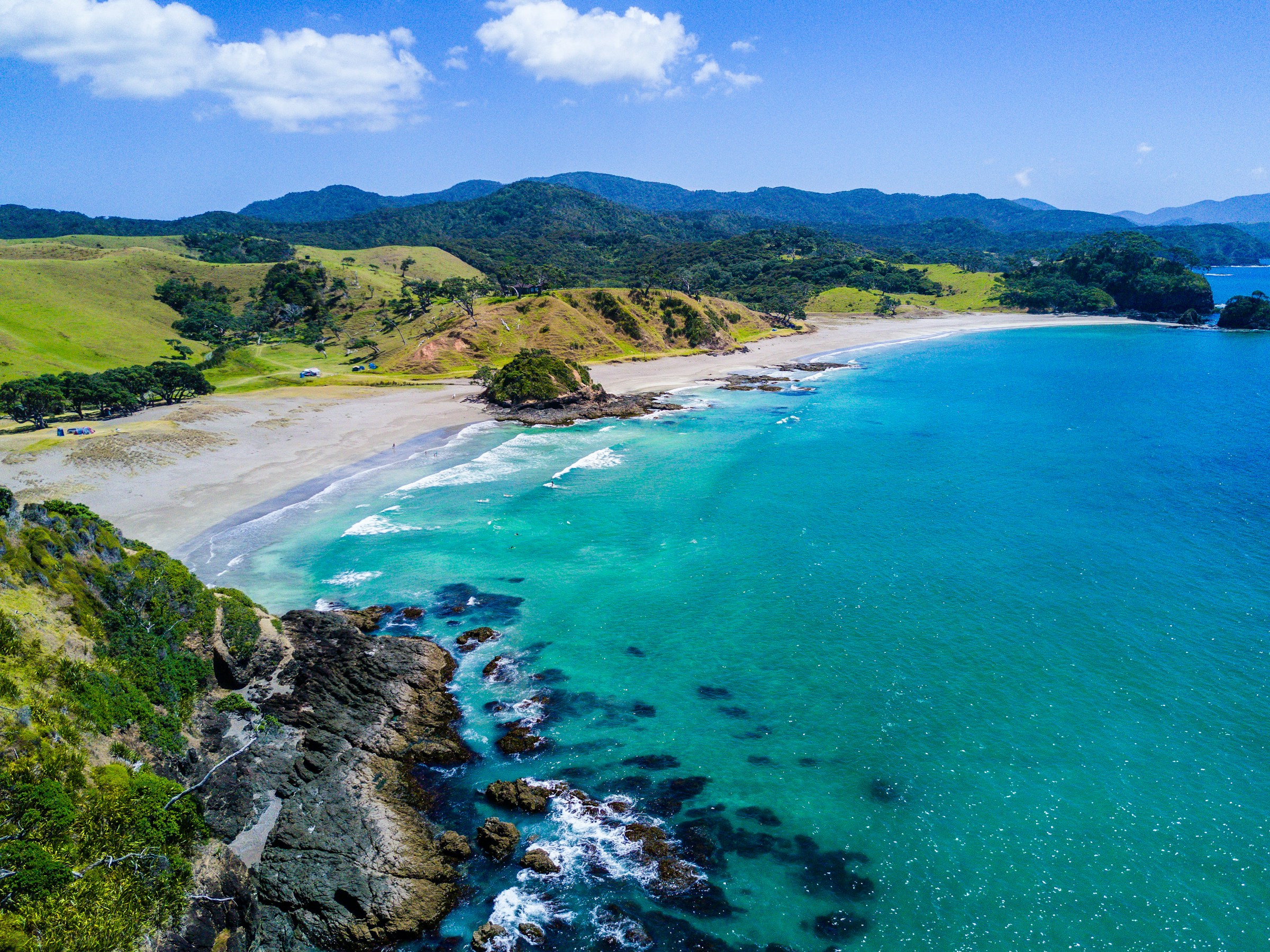
New Zealand

Oceania
Capital:
Wellington
Currency:
New Zealand Dollar (NZD)
Risk:
Low
📋

Health Overview

New Zealand is one of the world's safest and most remarkable travel destinations — Lord of the Rings landscapes; the geothermal wonders of Rotorua; the fiords of Milford Sound; Tongariro Alpine Crossing; and the bungee jumping culture that New Zealand invented. The pre-travel health consultation for New Zealand is genuinely minimal by global standards: no travel vaccines are required; no malaria exists; tap water is safe throughout the country. The main clinical discussion points are outdoor safety for adventure travelers (hypothermia; volcanic hazard awareness; Tongariro eruption risk); UV exposure (New Zealand has extreme UV levels similar to Australia due to the same Southern Hemisphere ozone thinning); and an NZeTA (New Zealand Electronic Travel Authority) plus the International Visitor Conservation and Tourism Levy required before arrival.

Key Health Risks

Moderate
Volcanic and Geothermal Hazard
New Zealand sits on the Pacific Ring of Fire and has active volcanic hazards. The December 2019 Whakaari/White Island eruption killed 22 and injured 25 tourists — one of the world's worst recent volcanic disasters affecting tourists. Tongariro Alpine Crossing crosses between Mt. Ngauruhoe and Mt. Tongariro — both active volcanoes with eruption documented as recently as 2012. Check GeoNet (geonet.org.nz) for current volcanic alert levels before any volcanic area hiking. Rotorua's geothermal fields have multiple visitor-safety deaths from thin crust collapses into boiling ground pools — stay on marked paths only. Waimangu Volcanic Valley; Wai-O-Tapu; and Champagne Pool areas are also geothermally active.
Moderate
Adventure Activity Risk
New Zealand invented bungee jumping and is the adventure sports capital of the Southern Hemisphere. Queenstown offers bungee; skydiving; jet boating; whitewater rafting; and paragliding all within one day. Risk assessment: New Zealand's adventure tourism industry is tightly regulated and has an excellent safety record — far safer than comparable activities in many countries. Specific concerns: glacier trekking on Fox and Franz Josef glaciers carries crevasse and ice fall risk; experienced guide required; conditions change rapidly. Tramping (hiking) in Fiordland; Mt. Cook National Park; and the Southern Alps carries hypothermia and navigation risk; weather changes rapidly and dramatically.
Moderate-High
Sun and UV Exposure
New Zealand has among the highest rates of melanoma in the world due to the same Southern Hemisphere ozone depletion dynamics as Australia. The UV index regularly exceeds 11 (extreme) in summer across both islands. SPF 50+; protective clothing; and shade-seeking between 10am-4pm are the clinical standards for any New Zealand summer visit.
⛑️

Health Risk Callout

New Zealand's health consultation is genuinely brief — no malaria; no tropical disease; no entry vaccines; safe food and water. The volcanic and geothermal hazard point is the one item that requires clinical emphasis: Whakaari/White Island killed 22 people in 2019. The volcanic alert level system (GeoNet) should be checked before any volcanic area visit. The Tongariro Alpine Crossing is New Zealand's most walked trail and it literally passes between two active volcanoes — the GeoNet check is non-negotiable.
🏥

Other Health Risks

Driving on the LEFT (same hazard as Australia — wrong-side driving is the leading cause of serious injury for US tourists); Giardia (freshwater streams in the backcountry — water purification required for any water from streams or rivers; do NOT drink untreated surface water even in remote pristine NZ backcountry); Leaky buildings / accommodation: less of a traveler concern; Storm and flooding risk during extreme weather events
🗺

Regional Information

Regional Risk Callout
New Zealand's risk profile is exceptional for its geographic location — it is arguably the safest major tourist destination in the Southern Hemisphere. North Island: Auckland; Rotorua; Wellington; Tongariro National Park — geothermal hazard awareness (Whakaari/White Island volcanic eruption December 2019 killed 22 tourists; Tongariro Alpine Crossing passes active volcanic terrain; follow current warning levels). South Island: Christchurch; Queenstown; Fiordland; Abel Tasman; the Southern Alps — adventure activity risks (bungee jumping; whitewater rafting; glacier trekking; skiing; mountaineering). Stewart Island: extremely remote; no significant health risks but limited evacuation options. Offshore islands: DOC-administered conservation areas with no services.
Regional Healthcare Callout
Healthcare in New Zealand is world-class and comparable to Australia and the United States. The public/private mixed system functions well; US visitors use private hospitals with travel insurance. In the adventure zone of Queenstown; the Lakes District Hospital is the primary acute care facility — sufficient for emergency trauma before air transfer to Christchurch or Dunedin for complex cases. Remote areas (Fiordland; Stewart Island; alpine huts on the Te Araroa Trail) require helicopter rescue capability — ensure rescue insurance is included in travel policy.
💉

Vaccine and Malaria Prevention

💉 Entry Vaccine Required
None — New Zealand has no yellow fever entry requirements for US travelers arriving directly from the US.
🛡️ Recommended Vaccines
Routine vaccines up to date (MMR; Tdap; influenza; COVID-19); no travel-specific vaccines are required for any New Zealand itinerary. Hepatitis A is not a significant risk for standard tourist activities in New Zealand — water is safe; food safety is excellent.
🦟 Malaria Information

No malaria risk.

Moderate
👨

Physician Note

R
Dr. Robert
Emergency Medicine · 25+ Years · 40+ Countries

New Zealand is one of those destinations where the clinical conversation genuinely is short — no malaria; no travel vaccines; safe water everywhere. The two items I always raise are the volcanic hazard and the driving side issue. The Tongariro Alpine Crossing passes between two volcanoes that have both erupted this century and there is a legally published GeoNet alert system that determines whether the crossing is accessible — I check it myself at the consultation and show patients where to look.

The Whakaari White Island eruption in 2019 killed 22 people on a licensed tour; this is not theoretical risk. The driving-on-the-left issue is the same as Australia — it is the leading cause of serious injury in US tourists in New Zealand; I specifically mention it for self-drive itinerary patients. Beyond those two items; the consultation is a pleasure: extraordinary destination; minimal medical preparation; world-class hospitals if anything does go wrong.

Pre-Departure Checklist

8+ Weeks

  • No travel vaccines required — routine vaccine review only (MMR
  • Tdap
  • Influenza
  • COVID-19)
  • Obtain NZeTA (Electronic Travel Authority) and pay IVL (International Visitor Conservation and Tourism Levy) before departure — US citizens must do this or will be denied boarding.

2–4 Weeks

  • Register with STEP
  • Comprehensive travel insurance including helicopter rescue capability (for any South Island tramping
  • Alpine
  • Or adventure activities)
  • SPF 50+ broad-spectrum sunscreen
  • DEET for Fiordland sand flies
  • Water purification tablets or filter for backcountry tramping
  • GeoNet bookmark (geonet.org.nz) — check volcanic alert levels before Tongariro
  • Rotorua
  • Or White Island visit.

Day Of

  • US Consulate Auckland +64-9-303-2724 (emergency after-hours +64-4-462-6000)
  • Emergency 111
  • Check MetService (metservice.com) forecast before any mountain activity
  • Check GeoNet for volcanic alerts before geothermal areas
  • Drive on the LEFT
  • Swim between the flags.
✈️

Trip Type Guidance

Adventure

  • Tongariro Alpine Crossing (check GeoNet volcanic alert level before departure — closed at Alert Level 2+
  • One of the world's great one-day hikes
  • Hypothermia risk in poor weather
  • Full waterproofs and warm layers required even in summer
  • No malaria
  • UV protection)
  • Fiordland — Milford Track
  • Routeburn Track (sand fly DEET essential
  • Hypothermia risk
  • Weather changes rapidly
  • Water purification for backcountry streams)
  • Queenstown adventure sports (well-regulated industry with excellent safety record
  • Travel insurance with helicopter rescue for any outdoor activities).

Family

  • New Zealand is outstanding for family travel — English-speaking
  • Safe
  • Hobbiton (Matamata)
  • Waitomo Glowworm Caves
  • Blue Penguin Parade (Oamaru)
  • Rotorua geothermal parks for all ages
  • No health risks beyond UV and sand flies.

Beach

  • Bay of Islands
  • Abel Tasman National Park (golden beaches accessible only by water taxi or kayak)
  • Mount Maunganui
  • Coromandel Peninsula — no malaria
  • Strong rip current awareness for surf beaches
  • UV protection critical.

Business

  • Auckland is New Zealand's commercial hub — excellent business infrastructure
  • Direct LA and US West Coast connections
  • English-speaking.
🗒️

Notes

Special Evacuation Notes
Medical evacuation from New Zealand to the US is logistically feasible via Auckland International Airport with direct routes to Los Angeles. Within New Zealand; helicopter rescue services operate in all major adventure areas and the national rescue coordination center is excellent. Travel insurance with helicopter rescue capability is strongly recommended for any adventure or tramping itinerary.
Safety Notes
New Zealand is a very low crime destination. Violent crime affecting tourists is rare. Petty theft; vehicle break-ins (leave nothing visible in rental cars in carparks at trailheads); and occasional scams affecting tourists do occur. Key safety reminders: Check GeoNet for volcanic and earthquake alerts; swim between the flags at patrolled beaches (New Zealand's surf is powerful with strong rips); sand flies in Fiordland are ferocious — pack DEET; drive on the left; weather in the Southern Alps changes with extreme speed — always check MetService forecasts before mountain tramping; carry emergency bivouac equipment for South Island high country.
partner recommendation
Medical Evacuation & Assistance
A medical crisis far from home can cost $50,000+ to evacuate. Global Rescue — the partner we personally trust — provides worldwide evacuation and round-the-clock medical assistance.
Get a quote
Good For
Adventure
Family
Beach
Business
Quick Info
  • Capital
    Wellington
  • Language
    English; Māori (te reo Māori); New Zealand Sign Language — all three are official languages
  • Currency
    New Zealand Dollar (NZD)
  • State Dept Level
    1
  • Crime Risk
    Low
  • Disaster Risk
    High — New Zealand sits on the Pacific Ring of Fire: (1) Earthquakes: Christchurch 2011 M6.3 killed 185; Kaikōura 2016 M7.8; significant seismic risk throughout; (2) Volcanic eruption risk: Whakaari 2019 killed 21 tourists; Tongariro 2012; Ruapehu periodic eruptions; (3) Tsunamis: risk from local and regional seismic events on all coasts; (4) Cyclones: Cyclone Gabrielle February 2023 — North Island's worst flooding disaster in 60 years (NZD 14.5 billion damage); Severe Tropical Cyclone Vaianu April 2026 (Category 3 equivalent; struck North Island; NZD 1.5 million damage); (5) Landslides in alpine and hill country terrain during extreme rain events
Water Safety
✅ Tap Water Safe
Tap water is safe throughout all of New Zealand — all cities; towns; and most tourist facilities. Backcountry freshwater streams and rivers are NOT safe — Giardia and Campylobacter are documented in NZ backcountry water sources including apparently pristine alpine streams. Use a water filter; SteriPen; or boil all backcountry water.
Top Hospital
Auckland City Hospital
Auckland
New Zealand's largest hospital and primary trauma center. Equivalent excellent care at Wellington Hospital; Christchurch Hospital; Waikato Hospital (Hamilton); and Dunedin Hospital. Private hospital network (Southern Cross Healthcare; Mercy; Boulcott) provides excellent care with no wait times for privately insured patients.
Emergency Numbers
111
Emergency
111
Ambulance
US EMbassy
'+64-9-303-2724 (US Consulate General Auckland — main ACS line; emergency after-hours +64-4-462-6000)
https://nz.usembassy.gov/
Resources
Primary Sources
Direct lines to the agencies that publish the world's most trusted travel-health guidance.