Mongolia

Asia
Capital:
Ulaanbaatar
Currency:
Mongolian Tögrög (MNT)
Risk:
Moderate
📋

Health Overview

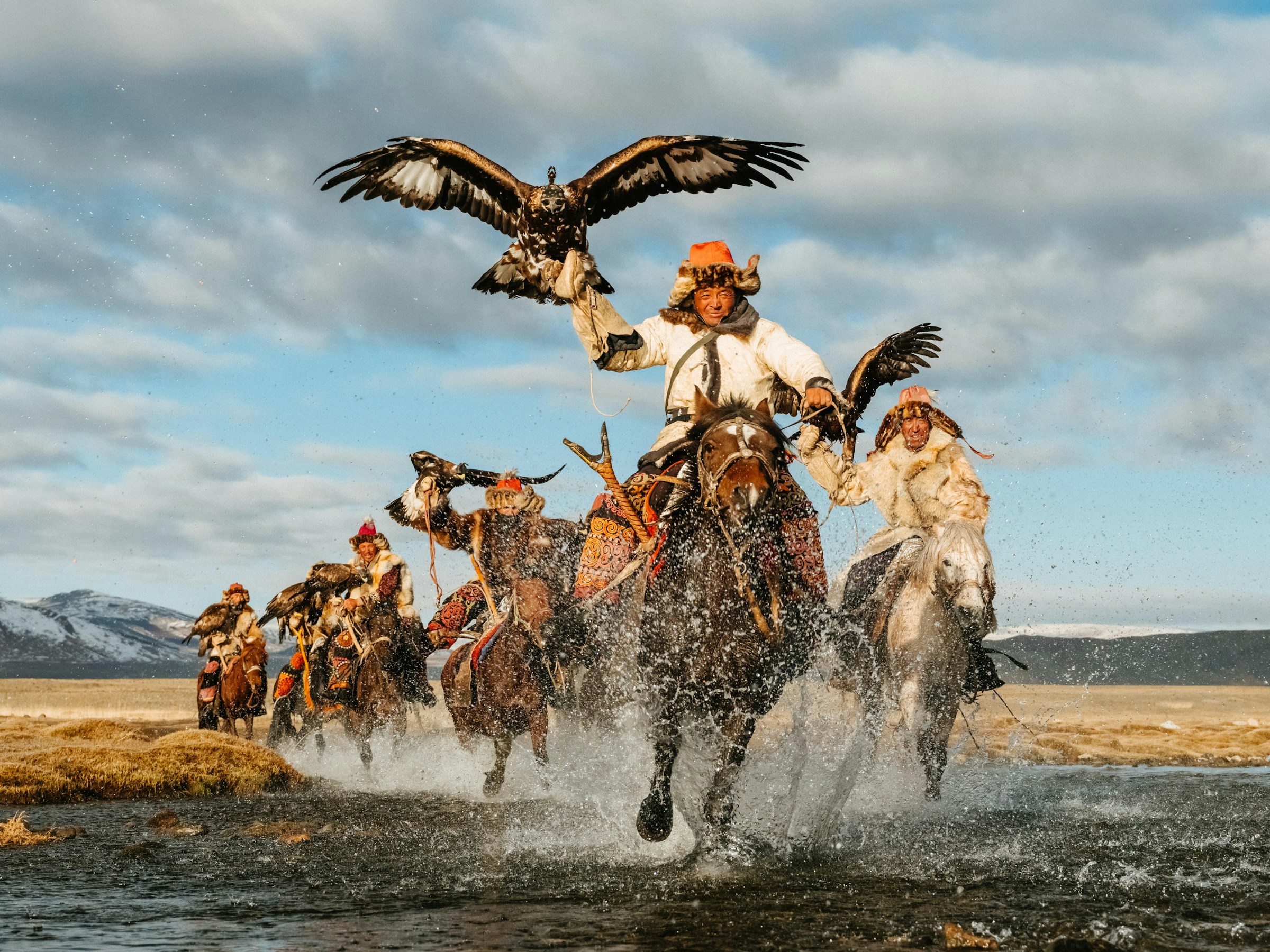
Mongolia — the vast steppe; the Gobi Desert; nomadic culture; Genghis Khan history; horse trekking; eagle hunters; and the extraordinary emptiness of one of the world's least densely populated countries — is a Level 1 destination with a distinctive and clinically fascinating health risk profile. No malaria; no yellow fever; tap water not safe but health risk is manageable. The pre-travel conversation for Mongolia is genuinely interesting: bubonic plague (Yersinia pestis) is endemic and cases are reported annually from direct rodent and flea contact; brucellosis from unpasteurized dairy is common (airag/fermented mare's milk is a deeply ingrained cultural food — travelers need specific counseling); extreme cold in Ulaanbaatar (world's coldest capital; -22°C average January) creates genuine cold injury risk; and TBE is endemic in forested areas. What separates a prepared Mongolia traveler is not a long vaccine list but specific knowledge about plague; brucellosis; and cold preparation. Be sure to consult your Dr. prior to travel to discuss.

Key Health Risks

Moderate
Plague — Yersinia Pestis Endemic
Bubonic plague (Yersinia pestis) is endemic in Mongolia — this is the same bacterium responsible for the Black Death and is clinically distinct from any other disease discussed in this batch. Mongolia reports cases annually; particularly among herders who hunt tarbagan marmots (tarvaga) and other plague-reservoir rodents. The most common form in Mongolia is bubonic plague (flea-transmitted); septicemic and pneumonic forms also occur. Documented fatalities in Mongolian tourists and foreigners who consumed marmot meat or had close rodent/flea contact. CDC Yellow Book specifically counsels against marmot meat consumption and close contact with rodents or fleas. Clinical guidance for travelers: (1) Do NOT handle; hunt; skin; or consume marmots or other rodents — this is culturally embedded in Mongolian herding communities but is the single highest-risk exposure for foreigners; (2) Apply DEET to exposed skin and clothing in steppe and grassland areas to prevent flea bites; (3) Be aware that plague symptoms (sudden high fever; painful enlarged lymph nodes/'buboes') after rodent/flea exposure require immediate emergency evaluation and IV doxycycline or gentamicin — this is a medical emergency; (4) Risk is low for travelers who avoid marmot contact and use DEET; but awareness is essential. Be sure to consult your Dr. prior to travel to discuss.
Moderate
Brucellosis
Brucellosis (Brucella melitensis; B. abortus from cattle) is extremely common in Mongolia — one of the highest human brucellosis rates in the world. Transmission is primarily through consumption of unpasteurized dairy products (milk; yogurt; aaruul — dried curd; byaslag — cheese; airag — fermented mare's milk). Airag is a deeply culturally significant drink; Mongolian hospitality traditions involve offering airag to guests; declining repeatedly can be socially challenging. Clinical guidance: (1) All dairy products consumed during homestay and rural ger visits should ideally be pasteurized or boiled — packaged/commercially produced dairy in Ulaanbaatar is generally pasteurized; (2) Airag is essentially raw fermented mare's milk — the fermentation process does not reliably inactivate Brucella; (3) Clinical presentation of brucellosis: undulant fever; sweats; malaise; joint pain; hepatosplenomegaly; can be chronic and relapsing; treatment is doxycycline + rifampin for 6 weeks; (4) Returning traveler with unexplained fever and rural Mongolia exposure: Brucella serology (ELISA or Wright agglutination) should be part of the work-up. Be sure to consult your Dr. prior to travel to discuss.
Moderate-High
Extreme Cold and Environmental Hazards
Ulaanbaatar is the world's coldest capital city — January average -22°C; wind chills can reach -40°C to -50°C during dzud (extreme winter storm events). The Mongolian steppe in winter (November-March) is genuinely life-threatening terrain if travelers are unprepared. Clinical cold injury guidance: frostbite prevention requires insulated footwear rated to at least -30°C; layered moisture-wicking base; insulating mid-layer; windproof outer shell; face mask covering nose; cheeks; and ears in extreme wind chill. Dzud (harsh winter): Mongolia periodically experiences dzud events — extreme cold combined with heavy snow that kills livestock en masse and can strand travelers in ger camps without resupply for days. Travelers should always have an emergency reserve of water; food; and fuel for ger camp stays. Summer: Gobi Desert can exceed 45°C; heat stroke risk in southern desert regions June-August.
⛑️

Health Risk Callout

Plague is the clinical conversation that makes Mongolia distinctive — it is the only country in this batch where I counsel travelers about Yersinia pestis as a relevant travel risk. The core message is simple and memorable: do not touch marmots; do not eat marmot meat; use DEET on the steppe. But the brucellosis conversation is arguably more practically impactful because it involves direct engagement with Mongolian culture. Airag is not just a food in Mongolia — it is an expression of hospitality and connection. I explain to patients: 'You may be offered airag in a ger; declining once or twice is acceptable; if you do drink it; the fermentation does not eliminate Brucella; the risk is real.' For returning travelers with unexplained fever after Mongolia; the differential includes brucellosis; TBE; plague (if any rodent contact); and the usual febrile illness suspects. Be sure to consult your Dr. prior to travel to discuss.
🏥

Other Health Risks

Tick-borne encephalitis (TBE — forested northern Mongolia and Khövsgöl region; Ixodes ticks April-October; TICOVAC recommended for forested area travelers); Leptospirosis (flooding; livestock contact); Tuberculosis (elevated TB burden; avoid prolonged close-contact indoor settings in crowded areas); Air quality in Ulaanbaatar winter (coal burning in ger districts; AQI 200-400+ in winter; N95 respirator recommended for extended Ulaanbaatar winter stays); Altitude considerations (most of Mongolia is at 900-1500m; Altai mountains to 4000m+ — altitude awareness for Altai trekking) Be sure to consult your Dr. prior to travel to discuss.
🗺

Regional Information

Regional Risk Callout
Mongolia's health risk profile varies by environment and season. Ulaanbaatar (capital; population approximately 1.5 million; home to 45% of Mongolia's population): world's coldest capital city; extreme winter air pollution from ger district coal burning (AQI can exceed 300 in winter); some medical infrastructure; plague risk from urban rodents documented. Mongolian steppe (Arkhangai; Khövsgöl; Khentii; Ömnögovi — Gobi; most of rural Mongolia): nomadic ger culture; airag; herding activities; plague risk from ground squirrels (tarvaga) and other rodents; brucellosis from unpasteurized dairy; rabies from dogs and wildlife; TBE in forested areas of northern Mongolia; extreme cold October-April. Khövsgöl Lake region (northern Mongolia; taiga forest): TBE endemic in forested areas; one of Mongolia's most beautiful and wild regions; excellent horse trekking; Tsaatan (reindeer herder) communities. Gobi Desert (southern Mongolia): heat stress in summer (June-August; temperatures can exceed 45°C in the southern Gobi); sandstorms; remote; extremely limited healthcare.
Regional Healthcare Callout
Healthcare outside Ulaanbaatar is extremely limited throughout rural Mongolia. Aimag center hospitals are rudimentary — adequate for very basic acute care only. Steppe and Gobi remote areas: zero healthcare capability; evacuation by vehicle over unpaved roads to the nearest aimag center may take many hours. Comprehensive travel insurance with air medical evacuation to Beijing or Seoul is essential for any rural Mongolia itinerary. SOS Medica Mongolia in Ulaanbaatar operates a 24-hour emergency line.
💉

Vaccine and Malaria Prevention

💉 Entry Vaccine Required
None — Mongolia has no vaccine entry requirements for US travelers.
🛡️ Recommended Vaccines
CDC recommends routine vaccines up to date (MMR; Tdap; influenza; COVID-19); Hepatitis A (recommended — food and water safety throughout Mongolia is compromised; hepatitis A risk is present particularly outside Ulaanbaatar); Hepatitis B (recommended for extended stays); Rabies pre-exposure vaccination series (strongly recommended for any traveler spending time in rural Mongolia — dog bites are common; wildlife rabies is present; post-exposure prophylaxis availability outside Ulaanbaatar is unreliable or absent; pre-exposure vaccination provides crucial bridging protection if bitten); Tick-borne encephalitis (TICOVAC — discuss for travelers spending time in forested areas of northern Mongolia; Khövsgöl region; or taiga forest zones April-October; 3-dose primary series or accelerated adult schedule) Be sure to consult your Dr. prior to travel to discuss.
🦟 Malaria Information

No malaria risk.

Moderate
👨

Physician Note

R
Dr. Robert
Emergency Medicine · 25+ Years · 40+ Countries

Mongolia is the rare country that includes a conversation around plague — which always gets patients' full attention. The clinical message is simple: Yersinia pestis is endemic; Mongolian herders hunt marmots; marmots are the primary reservoir; travelers who stay out of direct rodent and flea contact are at extremely low risk. DEET on the steppe reduces flea exposure.

The more practically impactful conversation for most Mongolia travelers is brucellosis from airag — I tell patients exactly what airag is (fermented mare's milk); that it's an important cultural gesture to accept; and that the fermentation process doesn't eliminate Brucella. The rabies pre-exposure conversation for rural Mongolia is one of the clearest in travel medicine: dogs are everywhere in herder communities; post-exposure prophylaxis is essentially unavailable outside Ulaanbaatar; pre-exposure vaccination means that even if a patient gets bitten; they have a documented immune response that buys time for evacuation. For the cold: Ulaanbaatar's -22°C average January doesn't capture the -40 to -50°C wind chill during dzud events — insulated boots rated to -30°C are not optional for winter Mongolia.

Be sure to consult your Dr. prior to travel to discuss.

Pre-Departure Checklist

8+ Weeks

  • Be sure to consult your Dr. prior to travel to discuss
  • CDC recommends Hepatitis A and B vaccines
  • Rabies pre-exposure vaccination series (3 doses
  • Strongly recommended for rural Mongolia
  • TBE vaccine (TICOVAC) for northern Mongolia forest travelers (Khövsgöl)
  • MMR
  • Tdap
  • Influenza
  • COVID-19 up to date.

2–4 Weeks

  • Register with STEP
  • Comprehensive travel insurance with air medical evacuation to Beijing or Seoul and helicopter rescue for rural itineraries
  • Water filter (Sawyer or Katadyn) for steppe and rural travel
  • DEET 30%+ for plague flea prevention and TBE tick prevention
  • Cold injury preparation kit for autumn/winter travel (insulated boots to -30°C
  • Layered clothing
  • Face mask)
  • Satellite communicator (InReach or SPOT) for remote steppe/Gobi itineraries.

Day Of

  • US Embassy Ulaanbaatar 976-7007-6001
  • Emergency 103 (police) 102 (ambulance)
  • SOS Medica Mongolia Ulaanbaatar for medical consultation
  • Do NOT handle or eat marmots or rodents (plague prevention)
  • Decline or carefully consider all unpasteurized dairy including airag (brucellosis prevention)
  • Apply DEET before walking in grassland and forest areas (plague fleas
  • TBE ticks)
  • Bottled water in Ulaanbaatar
  • Filtration for all rural water sources.
✈️

Trip Type Guidance

Adventure

  • Horse trekking (quintessential Mongolia experience — the steppe with no fences or roads
  • 2-week circuits from Ulaanbaatar through Arkhangai
  • Khövsgöl
  • Or Khentii
  • DEET essential for flea and tick prevention on the steppe
  • Rabies pre-exposure vaccination essential
  • Water filtration for river sources
  • Experienced local guide with GPS required for remote routes). Gobi Desert camel trekking (extraordinary landscape
  • Extreme heat in summer — carry 4+ liters of water per person per day
  • N95 for sandstorms
  • Local guide essential). Eagle festival (Bayan-Ölgii province
  • October — Kazakh eagle hunter culture
  • Organized tours operate from Ulaanbaatar
  • Extreme cold preparation essential in October). Khövsgöl Lake kayaking (beautiful northern Mongolia taiga lake
  • TBE TICOVAC recommended for forested shoreline activities
  • Cold water
  • Bear awareness in taiga forest).

Mission

  • Mongolia has faith-based and humanitarian mission work — Hepatitis A and B
  • Rabies pre-exposure
  • Water filtration for rural deployment
  • Plague and brucellosis counseling for any rural herding community work.
🗒️

Notes

Special Evacuation Notes
Air medical evacuation from Ulaanbaatar (Chinggis Khaan International Airport) to Beijing Capital Airport (approximately 2 hours) or Incheon International Airport Seoul (approximately 3 hours) is the standard routing for medical emergencies beyond local capability. Rural Mongolia emergency: medical evacuation from remote steppe or Gobi requires helicopter or fixed-wing aircraft to Ulaanbaatar followed by international transfer if needed. International SOS (SOS Medica Mongolia) in Ulaanbaatar coordinates medical evacuations and has 24-hour emergency operations. Travel insurance with helicopter rescue and air medical evacuation is essential for any rural or remote Mongolia itinerary. Global Rescue is a key choice
Safety Notes
Mongolia is a very safe travel destination from a crime and political perspective. Ulaanbaatar has some petty crime (pickpocketing in Sukhbaatar Square; Naran Tuul market; packed microbuses) — standard urban precautions apply. Outside Ulaanbaatar: crime is minimal; Mongolian hospitality is remarkable; travelers in nomadic ger communities are extremely safe. The primary safety risks are environmental: (1) Driving: Mongolia has some of the world's most dangerous road conditions — Ulaanbaatar traffic is aggressive and unpredictable; rural 'roads' are often unmarked tracks across the steppe with GPS navigation required; hire experienced local drivers for all off-road steppe travel; (2) Dzud: follow guide recommendations and weather forecasts during winter and late spring; (3) Wildlife: wolves are present in the steppe — do not wander from camps at night without a guide; (4) Remote communication: satellite phone or InReach communicator is essential for any remote steppe or Gobi itinerary.
partner recommendation
Medical Evacuation & Assistance
A medical crisis far from home can cost $50,000+ to evacuate. Global Rescue — the partner we personally trust — provides worldwide evacuation and round-the-clock medical assistance.
Get a quote
Good For
Adventure
Mission
Quick Info
  • Capital
    Ulaanbaatar
  • Language
    Mongolian (Khalkha dialect dominant); Kazakh in Bayan-Ölgii region; Russian widely understood among older population
  • Currency
    Mongolian Tögrög (MNT)
  • State Dept Level
    1
  • Crime Risk
    Low-Moderate
  • Disaster Risk
    Very High — Mongolia faces extreme natural hazard risk: (1) Dzud (extreme winter): periodic events of devastating cold (-50°C wind chill) and snow that can strand travelers; kill livestock en masse; and create life-threatening conditions — affects large portions of the steppe in severe years; (2) Flash flooding in summer: sudden intense storms on the steppe can cause unexpected flash floods; (3) Gobi Desert sandstorm ('haboob'): severe sandstorms with visibility near zero; (4) Seismic: Mongolia has seismic activity; (5) Steppe fires: spontaneous combustion and lightning-caused fires in dry summer conditions can spread rapidly across grassland.
Water Safety
⛔️ Tap Water Not Safe to Drink
Tap water is NOT safe in Ulaanbaatar or rural Mongolia. Ulaanbaatar's municipal water supply has documented contamination and infrastructure issues. Rural Mongolia: groundwater and river water should be filtered and/or purified. Bottled water is widely available in Ulaanbaatar and in provincial centers; carry a quality filter (Sawyer; Katadyn) for rural and steppe travel where bottled water is unavailable.
Top Hospital
SOS Medica Mongolia (International SOS clinic)
Ulaanbaatar
International SOS-affiliated clinic — the primary resource for international travelers and expats in Ulaanbaatar; English-speaking staff; telemedicine consultation with international physicians available; basic emergency capability. Intermed Hospital (Ulaanbaatar) is a larger hospital with broader specialist services and English-language capability. For genuine medical emergencies beyond Ulaanbaatar private clinic capability: air evacuation to Beijing (approximately 2 hours) or Seoul (approximately 3 hours) is the standard routing. Rural Mongolia: outside Ulaanbaatar and provincial centers (Darkhan; Erdenet); hospital infrastructure is minimal or absent. Aimag (provincial) hospitals exist but are severely resource-limited.
Emergency Numbers
103 (police); 101 (fire); 102 (ambulance)
Emergency
102
Ambulance
US EMbassy
976-7007-6001
https://mn.usembassy.gov/
Resources
Primary Sources
Direct lines to the agencies that publish the world's most trusted travel-health guidance.