
.svg)
Mauritania
Risk:
High
Health Overview
Mauritania is Level 3 with Level 4 sub-regions covering roughly HALF the territory — all north of Tropic of Cancer and within 62 miles of Mali/Algeria borders. AQIM and ISIS-affiliated groups active on Mali border. Nouakchott (Tevragh Zeina neighborhood specifically) is the only functional safe zone. Malaria in southern Senegal River regions. Meningitis belt. MRU cannot be imported/exported.
Key Health Risks
Very High
Terrorism and Kidnapping
AQIM and ISIS-affiliated groups active on Mali/Algeria borders. No major domestic attack since 2011 (effective security cooperation) but threat growing as Mali destabilizes. Level 4 sub-regions define highest threat. Westerners targeted for KFR regionally.
Moderate-High
Crime
Violent crime frequent outside Tevragh Zeina in Nouakchott. Mugging; armed robbery; assault. Police lack resources. Transportation and communication limited outside capital.
High
Healthcare System
Facilities outside Nouakchott extremely limited. Hôpital National de Nouakchott: primary referral. Cheikh Zayed Hospital (UAE-funded): better cardiology/nephrology. Medevac to Dakar (~1.5 hours) or Casablanca (~3.5 hours).
Health Risk Callout
Counterintuitive risk geography — Nouakchott is only safe zone; most territory Level 4. Clinical preparation: meningitis belt; polio booster; YF for southern travel; medevac to Dakar.
Other Health Risks
Rift Valley Fever (endemic and seasonal, with a major outbreak concluded in January 2026 — see the CDC advisory field. Worth understanding correctly because the transmission route is not what travelers assume: most human infections come from direct contact with the blood, organs or tissues of infected animals during slaughter, butchering or veterinary work, and from unpasteurized or undercooked milk, rather than from mosquito bites, though Aedes and Culex transmission also occurs. Highest-risk groups are livestock breeders, slaughterhouse workers and veterinarians. No human-to-human transmission has ever been documented. There is no human vaccine and treatment is supportive only. The practical advice for a traveler is therefore about animal contact and dairy, not only about repellent: avoid live-animal markets and slaughter areas during outbreaks, and avoid raw milk and undercooked meat generally); Meningococcal (Sahel belt; epidemic Dec-June); Cholera (Nouakchott peri-urban; southern); Schistosomiasis (Senegal River); extreme heat/desert conditions; Harmattan dust Nov-Mar; cutaneous leishmaniasis; Polio (CDC Level 2). Be sure to consult your Dr. prior to travel to discuss
Regional Information
Regional Risk Callout
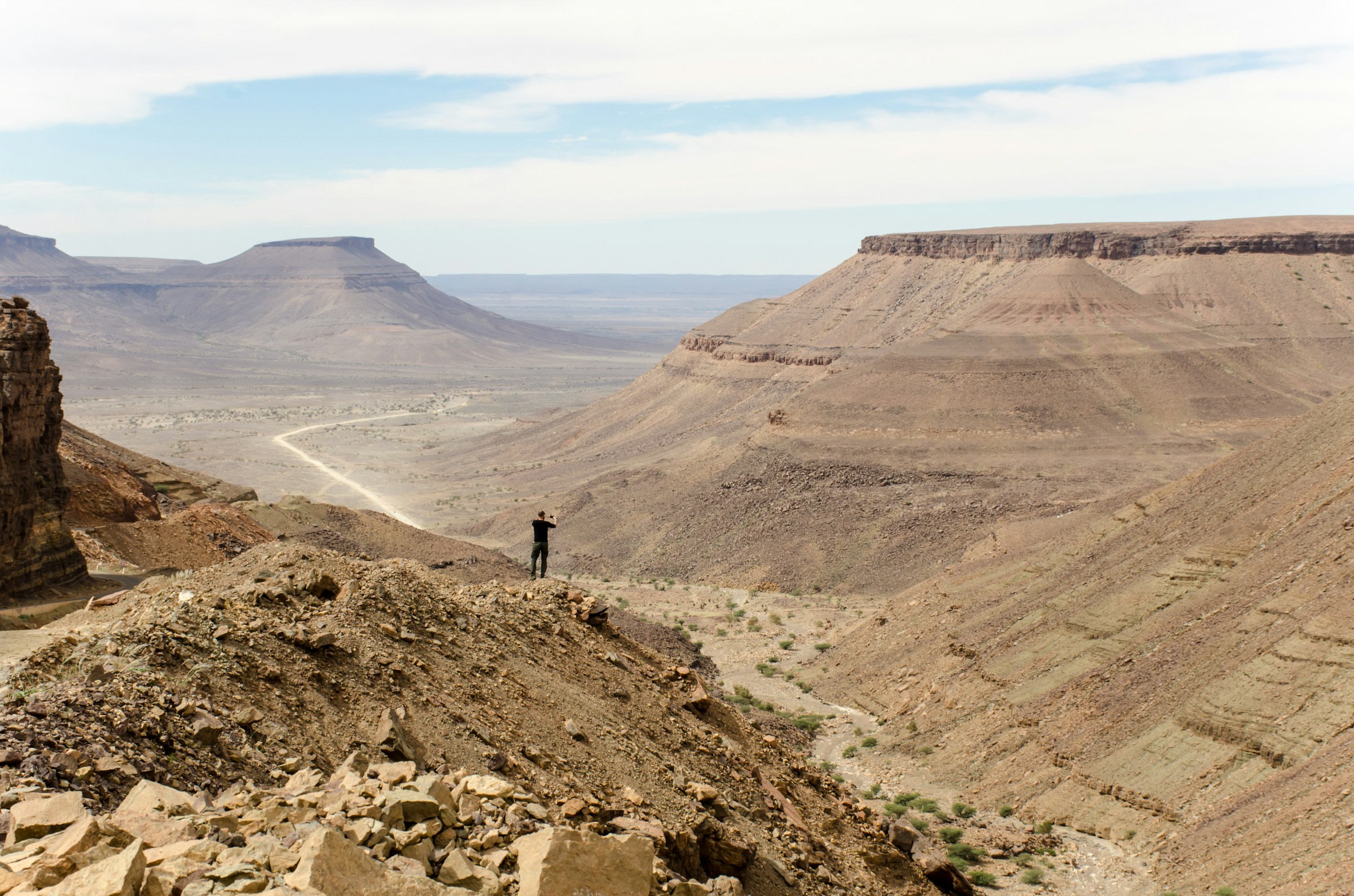
Nouakchott/Tevragh Zeina: functional safe zone. Outside Tevragh Zeina: violent crime increases. Southern regions (Brakna; Trarza; Gorgol; Guidimaka): agricultural; higher malaria; NGO presence. North of Tropic of Cancer (Level 4): entire Saharan interior. 62 miles Mali/Algeria border zone (Level 4): actively dangerous.
Regional Healthcare Callout
Outside Nouakchott: essentially absent. Level 4 zones and desert: no healthcare whatsoever. Remote medical events are life-threatening by default.
Vaccine and Malaria Prevention
💉 Entry Vaccine Required
YF required from endemic countries. Visa required. MRU cannot be imported/exported. Foreign currency must be declared.
🛡️ Recommended Vaccines
CDC recommends YF (from endemic countries; CDC recommends for southern regions); MenACWY+B (meningitis belt; epidemic Dec-June); Typhoid; Hep A; Hep B; Rabies PrEP (rural); Polio booster (CDC Level 2); Malaria prophylaxis for southern regions; routine (MMR; Tdap)
🦟 Malaria Information
- Risk Level: Low-Moderate
- Areas: Southern regions: Brakna; Gorgol; Guidimaka; Hodh Ech Chargui; Hodh El Gharbi; Trarza; Senegal River basin. Nouakchott: low but non-zero. Northern/central desert: minimal to none.
- Recommended Drug: Atovaquone-proguanil; Doxycycline; Mefloquine; Tafenoquine
- Drug Resistance: Yes
P. falciparum in southern Senegal River zones; chloroquine-resistant. P. vivax also present. Nouakchott: low risk. Southern regions: full prophylaxis required. Northern desert: minimal risk.
Moderate-High
Physician Note
Dr. Robert
Emergency Medicine · 25+ Years · 40+ Countries
Mauritania: counterintuitive geography — Nouakchott is the only safe zone; most territory Level 4. Clinical picture has two modes: Nouakchott (meningococcal; typhoid/Hep A; crime awareness); southern Senegal River (add malaria prophylaxis). Local currency cannot leave the country — plan cash carefully.
Pre-Departure Checklist
8+ Weeks
- Be sure to consult your Dr. prior to travel to discuss
- CDC recommends Yellow fever (required if arriving from a country with YF risk)
- Hepatitis A
- Typhoid
- Meningococcal ACWY (meningitis belt)
- Malaria prophylaxis for southern regions
- Rabies pre-exposure for extended or rural stays.
2–4 Weeks
- Register with STEP
- Medical evacuation insurance — confirm routing; serious cases require evacuation to Europe or Morocco
- DEET 20%+ and permethrin-treated clothing
- Complete medication supply from home
- Tevragh Zeina accommodation
- MRU cannot be imported/exported — carry EUR/USD.
Day Of
- Police 17
- Pompiers (fire) 18
- SAMU (ambulance) 101
- Embassy +(222) 3662-8163.
Trip Type Guidance
Mission/development only: experienced workers through established organizations (UN; ICRC) with dedicated security. Southern Senegal River region has humanitarian presence. No other standard travel appropriate at Level 3 with Level 4 sub-regions.
Notes
Special Evacuation Notes
Medevac from Nouakchott (NKC) to Dakar (~1.5 hours) or Casablanca (~3.5 hours). US gov't limited outside capital. MRU cannot leave the country. Worldwide Caution banner active.
Safety Notes
Stay within Tevragh Zeina. No walking alone/after dark outside secure areas. All Level 4 zones: do not travel. US gov't requires special authorization + daytime only outside Nouakchott. No photography of military/government. Comply at improvised checkpoints.
partner recommendation
Medical Evacuation & Assistance
A medical crisis far from home can cost $50,000+ to evacuate. Global Rescue — the partner we personally trust — provides worldwide evacuation and round-the-clock medical assistance.

Good For
Mission