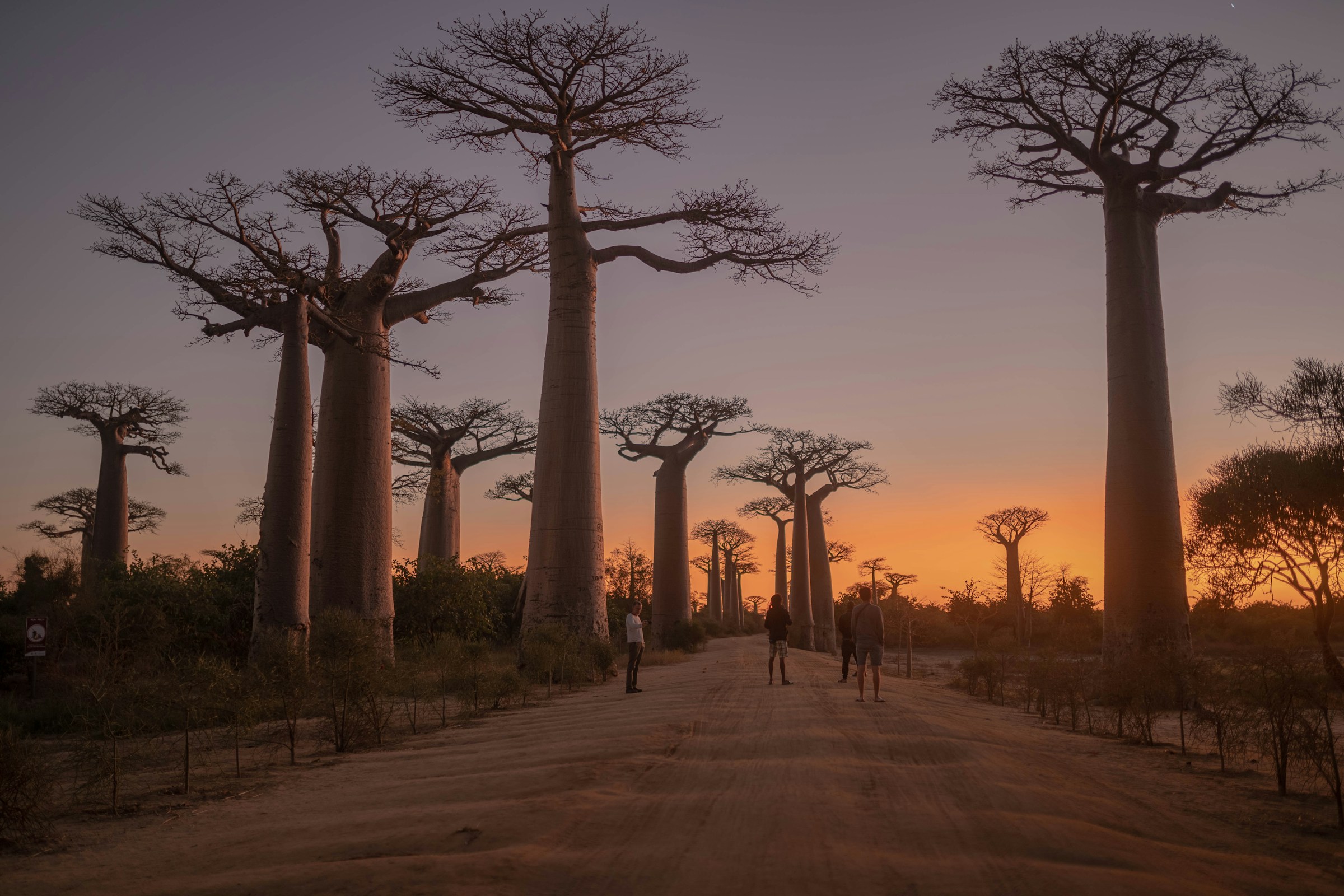
Madagascar

Africa
Capital:
Antananarivo
Currency:
Malagasy Ariary (MGA)
Risk:
Moderate
📋

Health Overview

Madagascar — the fourth-largest island on earth; the world's premier biodiversity destination; baobab forests; unique lemur species found nowhere else; incredible endemic reptiles; and landscapes ranging from rainforest to desert — is a Level 2 destination with one of the most clinically distinctive pre-travel profiles in Africa. The health indicator was specifically added to the advisory in the most recent downgrade (from L3 to L2) because Madagascar's medical infrastructure is extremely limited. The unique clinical conversation for Madagascar is plague — the country has one of the world's highest burdens of Yersinia pestis; cases are reported annually including both bubonic and pneumonic forms. Malaria is present throughout the country except in Antananarivo city center — the most clinically important geographic exception in this dossier. Schistosomiasis is present in freshwater. Healthcare outside Antananarivo essentially doesn't exist for anything complex. Be sure to consult your Dr. prior to travel to discuss.

Key Health Risks

Moderate-High
Plague — Yersinia Pestis Endemic
Madagascar has one of the world's highest annual plague burdens — cases of bubonic; septicemic; and pneumonic plague are documented every year.
Very High
Healthcare Infrastructure — Health Indicator
The State Dept specifically added a 'health' risk indicator to Madagascar's most recent advisory update. Medical infrastructure is very limited in populated areas and extremely limited in rural areas. Serious medical emergencies require medical evacuation to Johannesburg or Nairobi.
Moderate
Schistosomiasis
Schistosomiasis present throughout Madagascar's freshwater. Avoid all freshwater contact. Treatment: praziquantel 6-8 weeks after exposure.
⛑️

Health Risk Callout

DEET prevents flea bites (plague) AND mosquito bites (malaria). The Antananarivo malaria exception and plague counseling are the two distinctive clinical conversations for Madagascar.
🏥

Other Health Risks

Cyclones (December-April); Rabies (dogs common; pre-exposure vaccination critical); African tick bite fever; HIV/AIDS
🗺

Regional Information

Regional Risk Callout
Madagascar's health risk profile varies significantly by region. Antananarivo (capital; central highlands; approximately 3 million population; altitude approximately 1300m): NO malaria prophylaxis needed — the high-altitude city center is specifically exempted from malaria recommendations per CDC Yellow Book. Best available (very limited) healthcare in Madagascar. Coast and lowlands (entire coastline; northwest; southwest; northeast; Nosy Be island): highest malaria risk; primary plague risk areas; schistosomiasis in freshwater. Nosy Be and surrounding islands (northwest; popular tourist resort): significant malaria risk; insect protection essential; limited healthcare. RN7 corridor (Antsirabe; Fianarantsoa; Isalo; Tuléar route — the main tourist road through the center and south): malaria risk increases as you descend from highlands; plague risk in rural areas; extremely limited healthcare outside Antananarivo and Fianarantsoa. Northern Madagascar (Antsiranana/Diego Suarez; Amber Mountain National Park): malaria risk; beautiful but remote; air or land transport to Antananarivo for any emergency. East coast (Toamasina; rainforest; Avenue of the Baobabs): malaria risk; cyclone-exposed coast; very limited healthcare. Dahalo (cattle bandit) areas: avoid RN34 from Miandrivazo to Malaimbandy and areas around Tsaratanana; Betroka; and the Tsiroanomandidy-Maintirano road per State Dept Level 2+ sub-zones.
Regional Healthcare Callout
Healthcare throughout Madagascar is a primary travel risk. Rural Madagascar has essentially no medical infrastructure. Travel insurance with air medical evacuation to Johannesburg or Nairobi is mandatory.
💉

Vaccine and Malaria Prevention

💉 Entry Vaccine Required
Yellow fever vaccine is required for travelers ≥9 months old arriving from countries with risk for YF virus transmission including >12-hour transits in airports in YF-endemic countries. US travelers arriving directly from the US do NOT need YF vaccine to enter Madagascar. Travelers routing through YF-endemic sub-Saharan Africa need to carry an ICVP.
🛡️ Recommended Vaccines
CDC recommends Routine vaccines up to date (MMR; Tdap; influenza; COVID-19); Malaria prophylaxis — EXCEPT for travelers spending their entire time in Antananarivo city: atovaquone-proguanil; doxycycline; mefloquine; or tafenoquine for any travel outside Antananarivo city limits (all coastal; lowland; and park areas of Madagascar); Hepatitis A (strongly recommended — food and water safety throughout Madagascar is compromised); Hepatitis B (recommended for extended stays or potential medical or dental exposure); Typhoid (recommended — especially for rural travel and eating beyond established urban restaurants); Rabies pre-exposure series (strongly recommended for any extended stay or rural travel — dog bites are common; post-exposure prophylaxis availability outside Antananarivo is essentially absent) Be sure to consult your Dr. prior to travel to discuss
🦟 Malaria Information
  • Risk Level: High
  • Areas: Malaria present throughout Madagascar except Antananarivo city center (approximately 1300m altitude). P. falciparum primarily; P. vivax; P. malariae; P. ovale also present. High-risk areas: all coastal regions; Nosy Be; eastern rainforest; northwest; southwest. Antananarivo city: no chemoprophylaxis recommended (insect bite precautions only). All areas outside Antananarivo: full prophylaxis indicated. P. falciparum in sub-Saharan Africa is chloroquine-resistant.
  • Recommended Drug: Atovaquone-proguanil; Doxycycline; Mefloquine; or Tafenoquine for all areas EXCEPT Antananarivo city. Tafenoquine requires G6PD testing before prescription. Chloroquine NOT recommended (chloroquine-resistant P. falciparum throughout sub-Saharan Africa).
  • Drug Resistance: Yes

The Antananarivo exception is the most clinically important geographic detail in Madagascar malaria counseling: travelers spending their entire trip in the capital only (conference attendees; city-only visitors) do NOT need malaria prophylaxis. Any travel outside the capital — even a single day trip to Antsirabe; or one night at Ankarafantsika National Park; or a coastal flight to Nosy Be — means full prophylaxis is indicated.

High
👨

Physician Note

R
Dr. Robert
Emergency Medicine · 25+ Years · 40+ Countries

Madagascar's pre-travel consultation is one of the most clinically interesting because of plague. DEET is the plague intervention as much as the malaria intervention. The Antananarivo malaria exception is equally important.

Healthcare infrastructure warning needs to be communicated directly — medevac to Johannesburg is the only serious option.

Pre-Departure Checklist

8+ Weeks

  • Be sure to consult your Dr. prior to travel to discuss
  • CDC recommends Malaria prophylaxis for any itinerary outside Antananarivo
  • Hep A and B
  • Typhoid
  • Rabies pre-exposure
  • YF vaccine if routing through endemic countries.

2-4 Weeks

  • STEP
  • Medevac insurance MANDATORY
  • DEET 30%+
  • Permethrin
  • Bed net
  • Schistosomiasis reminder.

Day Of

  • Embassy +261-20-23-480-00
  • DEET
  • No freshwater swimming
  • No night driving.
✈️

Trip Type Guidance

Adventure

  • Tsingy de Bemaraha
  • Baobab Avenue
  • Isalo National Park
  • Nosy Be diving.

Mission

  • World Vision
  • Food for the Hungry
  • Mission Aviation Fellowship
  • Full vaccine regimen including rabies required for rural mission work.
🗒️

Notes

Special Evacuation Notes
Air medical evacuation from Antananarivo to Johannesburg (approximately 2 hours) or Nairobi (approximately 3 hours) is the standard routing. CIMAD and International SOS operate evacuation services.
Safety Notes
Safety in Madagascar requires layered precautions: crime after dark; dahalo cattle bandits in south/west; mob justice risk; plague DEET prevention; cyclone awareness; health preparedness with medevac insurance.
partner recommendation
Medical Evacuation & Assistance
A medical crisis far from home can cost $50,000+ to evacuate. Global Rescue — the partner we personally trust — provides worldwide evacuation and round-the-clock medical assistance.
Get a quote
Good For
Adventure
Family
Mission
Quick Info
  • Capital
    Antananarivo
  • Language
    Malagasy (official); French (official and widely used in government and education); numerous regional dialects
  • Currency
    Malagasy Ariary (MGA)
  • State Dept Level
    2
  • Crime Risk
    High
  • Disaster Risk
    Very High — Madagascar is one of the world's most cyclone-vulnerable countries; December-April season; eastern coast most exposed.
Water Safety
⛔️ Tap Water Not Safe to Drink
Tap water is NOT safe anywhere in Madagascar including Antananarivo. Bottled water available in major tourist areas. Rural areas: water must be boiled; filtered; or treated.
Top Hospital
Clinique des Soeurs Franciscaines
Antananarivo
Madagascar's best private medical facility — adequate for basic emergency stabilization only. For serious emergencies: air evacuation to Johannesburg or Nairobi. CIMAD air ambulance operates within Madagascar.
Emergency Numbers
117 (police); 11 (fire)
Emergency
18 (ambulance — Antananarivo; unreliable)
Ambulance
US EMbassy
'+261-20-23-480-00 (inside Madagascar); +261-33-44-320-00 (outside Madagascar)
https://mg.usembassy.gov/
Resources
Primary Sources
Direct lines to the agencies that publish the world's most trusted travel-health guidance.