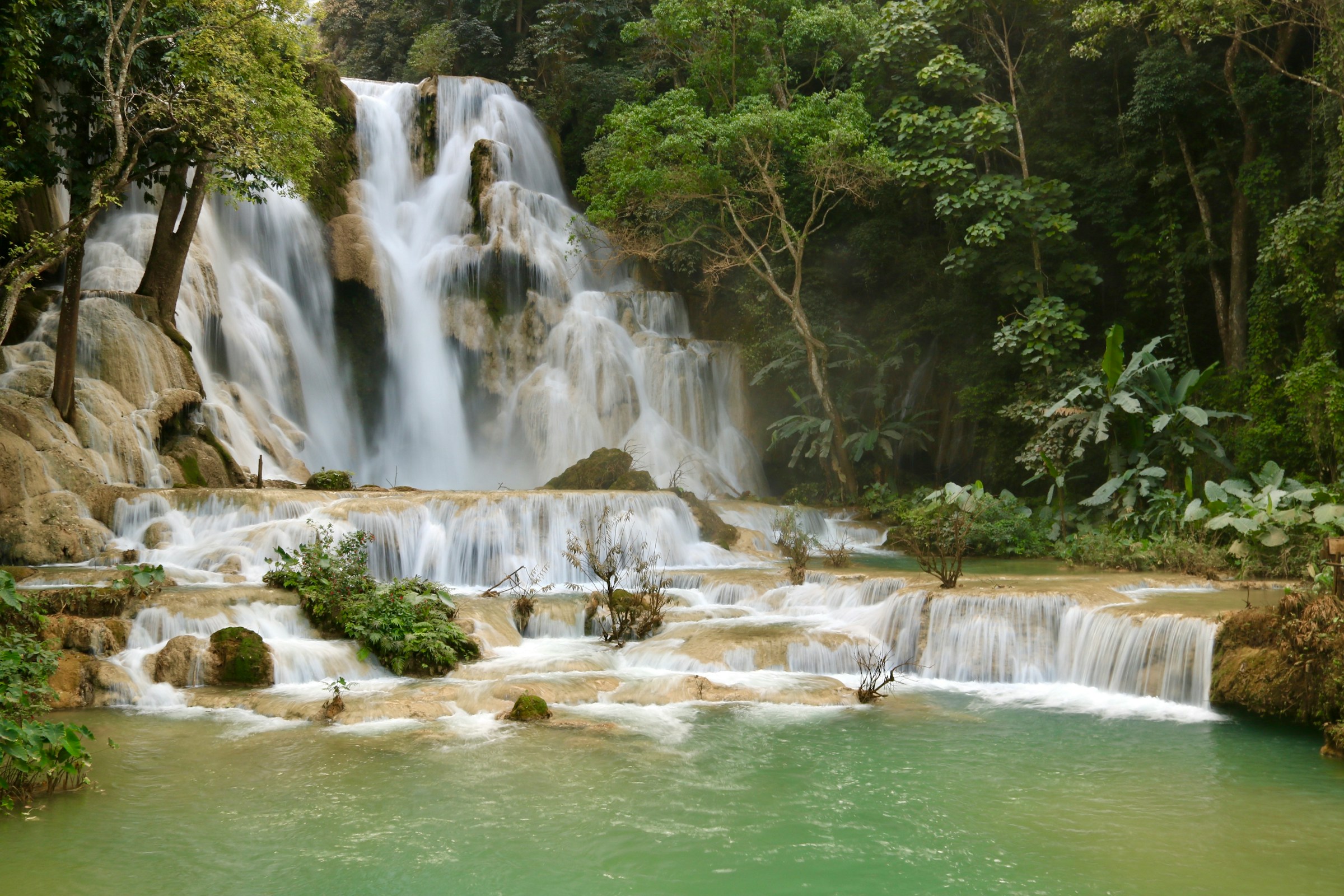
Laos

Asia
Capital:
Vientiane
Currency:
Lao Kip (LAK)
Risk:
Moderate
📋

Health Overview

Laos is Southeast Asia's most undervisited destination — a landlocked Buddhist nation of extraordinary natural beauty; French colonial architecture in Luang Prabang; and the mighty Mekong. It is also among the most medically underserved countries in the region; a fact that demands absolute clarity in the pre-travel consultation. Medical facilities outside Vientiane are minimal; outside Luang Prabang they are essentially absent. For any condition beyond minor illness; medical evacuation to Thailand — Udon Thani (2-hour drive) or Bangkok (90-minute flight) — is the standard. Medical evacuation insurance is not optional; it is a clinical necessity. Laos also carries one of the world's highest UXO (unexploded ordnance) burdens from the Indochina War; an active methanol poisoning alert (2024 deaths from Tiger Vodka and Tiger Whisky products); and genuine malaria risk in southern provinces along the Thai; Cambodian; and Myanmarese borders. Global Rescue membership strongly encouraged here.

Key Health Risks

Moderate-High
Unexploded Ordnance
Laos is the most heavily bombed country per capita in history — the US dropped more than 2 million tons of ordnance during the Indochina War (1964-1973); an estimated 30% failed to detonate. UXO continues to kill and maim Lao civilians annually. The State Department specifically names Savannakhet; Xieng Khouang (Plain of Jars); Saravane; Khammouane; Sekong; Champassak; Houaphan; Attapeu; Luang Prabang; and Vientiane provinces plus Routes 7; 9; and 20. Never touch any unknown metal object. Never leave established trails and roads in rural areas. The Plain of Jars near Phonsavan is a UNESCO site with specific guided trails — do not deviate from marked paths.
High
Extremely Limited Healthcare
Medical care outside Vientiane is inadequate for any serious condition. The Australian Embassy explicitly states: 'For most medical scenarios other than minor issues; we recommend you seek medical care from hospital services in Thailand.' Land evacuation from remote northern Laos can take 2-3 days. The wet season may delay evacuation further. Hospitals in rural provinces lack diagnostic equipment; specialist capabilities; and reliable drug supply. Travelers must plan their evacuation route before departure for any non-Vientiane itinerary.
⛑️

Health Risk Callout

The methanol poisoning situation in Laos is the most immediately life-threatening non-infectious hazard I counsel for this destination. In 2024; multiple travelers died from consuming methanol-adulterated spirits — specifically products marketed as Tiger Vodka and Tiger Whisky. The Australian government issued a specific product warning and Lao authorities banned these products; but the broader category of locally-produced or adulterated spirits and cocktails from unlicensed vendors remains a risk. Methanol poisoning is a clinical trap: patients initially appear mildly intoxicated; then develop visual disturbances; then profound metabolic acidosis hours later. Fomepizole is the antidote — it is not reliably available in Laos. The treatment is prevention: sealed international commercial spirits from licensed establishments only.
🏥

Other Health Risks

Methanol poisoning (2024 deaths documented from Tiger Vodka and Tiger Whisky products — Australian government issued specific warning; avoid locally-produced spirits and cocktails from unverified sources; drink only sealed commercial international brands at licensed establishments); Travelers' diarrhea (High risk — tap water unsafe throughout; ice from unknown sources; raw vegetables from markets); Leptospirosis (flooding; freshwater activities; rainy season); Rabies (dogs throughout country; treatment very limited outside Vientiane); Drug offenses (severe penalties; death penalty applicable for trafficking) | 2026 UPDATE: Methanol poisoning (adulterated alcohol): New 2026 development: a Laos distillery owner was charged in the mass methanol-poisoning deaths of tourists tied to the 2024 Vang Vieng incident. No new tourist deaths reported; ongoing methanol risk from unlicensed/locally-produced spirits remains active. Already reflected in dossier's Other Health Risks/Health Risk Callout. (https://www.upi.com/Top_News/World-News/2026/07/17/laos-methanol-deaths/6841784339886/, 2026-07-17)
🗺

Regional Information

Regional Risk Callout
Laos splits into a manageable tourist corridor and a medically and operationally complex rural interior. Luang Prabang (northern heritage city; UNESCO World Heritage) — widely considered one of Southeast Asia's safest and most peaceful destinations; but basic hospital only; evacuation to Thailand for any serious condition. Vang Vieng (adventure and party hub; Mekong Valley) — safe but adventure activity injuries are common; tubing accidents and drug-related incidents documented. Vientiane (capital) — best medical infrastructure in the country but still limited; best private option is Mahosot Hospital and the French Medical Center. The Bolaven Plateau (Pakse; southern Laos) and 4,000 Islands (Don Det; Si Phan Don) carry schistosomiasis risk from Mekong freshwater contact. The Golden Triangle Special Economic Zone (Bokeo Province; northwest) has documented criminal activity including drug trafficking and employment scams — avoid entirely.
Regional Healthcare Callout
Medical care in Laos is the most critical piece of the pre-travel consultation for this destination. Outside Vientiane; there are no suitable facilities for treating serious conditions — this is not a minor limitation; it is a complete absence of tertiary care capability. The evacuation plan must be established before departure: Vientiane → Aek Udon Hospital (Udon Thani; Thailand) by road (2 hours) or Wattana Hospital (Nong Khai; 45 min) for acute stabilization; then to Bangkok (90-minute flight) for definitive care. Wet season delays evacuation — plan conservatively. Medical evacuation insurance with air ambulance coverage is clinically non-negotiable for this destination.
💉

Vaccine and Malaria Prevention

💉 Entry Vaccine Required
None — yellow fever is not required and not recommended for Laos.
🛡️ Recommended Vaccines
CDC recommends routine vaccines (MMR; Tdap; influenza; COVID-19 up to date); Polio booster (IPV adult booster — Laos specifically added to active Global Polio Level 2 THN March 9 2026; confirm adult booster within past 10 years); Hepatitis A (all travelers — high food and waterborne disease burden); Hepatitis B (unvaccinated travelers); Typhoid (recommended for all Laos travelers — significant enteric disease burden); Japanese Encephalitis (strongly consider for all travelers — JE is endemic throughout Laos; rice-farming areas are particularly high risk; any overnight stay outside major cities warrants discussion); Rabies (consider — dog rabies burden present; post-exposure treatment very limited outside Vientiane). Discuss with your Dr.
🦟 Malaria Information
  • Risk Level: Moderate
  • Areas: Rural areas throughout the country; highest risk in southern provinces (Savannakhet; Champasak; Attapeu; Sekong) and border areas adjacent to Thailand; Cambodia; and Myanmar. P. falciparum + P. vivax. Vientiane city: low risk. Northern provinces (Luang Prabang; Vang Vieng): present but low risk for typical tourists.
  • Recommended Drug: Atovaquone-proguanil; doxycycline; or mefloquine — avoid mefloquine for borders with Thailand and Myanmar where mefloquine resistance is documented.
  • Drug Resistance: Yes

Mefloquine-resistant P. falciparum is documented along the Thailand-Myanmar-Cambodia border regions that abut Laos. The classic Greater Mekong Subregion multidrug-resistant P. falciparum extends into Laos border provinces. Atovaquone-proguanil is the preferred first-line prophylaxis for all Laos malaria-risk itineraries. Trekkers in southern border provinces; jungle areas; and cross-border routes should receive prophylaxis discuss with your Dr.

Moderate
👨

Physician Note

R
Dr. Robert
Emergency Medicine · 25+ Years · 40+ Countries

Laos is one of those destinations where I spend the most time on the evacuation plan and the least time on specific pathogens — because the real clinical risk is that a manageable condition becomes a life-threatening emergency through lack of access to care. I frame it for patients this way: you are going to a country where any illness more serious than traveler's diarrhea may require a 2-hour drive or a short flight to Thailand for treatment. That's not a scare tactic; that's the documented reality from the Australian Embassy; the Canadian government; and the UK FCDO.

Plan accordingly. Luang Prabang sits in a rice-farming valley; the Culex mosquitoes that carry JE are present; and they bite at night — exactly when travelers in atmospheric guesthouses near rice paddies are sleeping. The pre-exposure series takes 8+ weeks.

Mefloquine-resistant malaria along the Thai-Myanmarese border areas reaching into southern Laos means atovaquone-proguanil is first-line. Discuss with your Dr. And the methanol situation is genuinely serious — 2024 deaths are documented.

I tell patients: in Laos; drink sealed international brands from establishments you trust; nothing local; nothing from a unlabeled bottle. The Plain of Jars is one of the most unusual archaeological landscapes in the world — stay exactly on the cleared marked paths; do not step off them for any reason.

Pre-Departure Checklist

8+ Weeks

  • CDC recommends Japanese Encephalitis vaccine series (IXIARO
  • 2 doses 28 days apart
  • Hepatitis A and Typhoid vaccine (mandatory)
  • Polio booster (IPV adult booster — Laos specifically added to active Global Polio Level 2 THN March 9 2026
  • Confirm adult booster within past 10 years)
  • Malaria prophylaxis discussion — atovaquone-proguanil for southern provinces and border areas
  • Mefloquine avoided due to border resistance
  • Rabies pre-exposure series consideration.

2-4 Weeks

  • Obtain comprehensive travel insurance with air ambulance medical evacuation coverage
  • Obtain azithromycin travelers' diarrhea kit
  • Pack water purification tablets for trekking
  • Pack ORS
  • Identify evacuation route (Vientiane → Udon Thani → Bangkok)
  • Register with STEP.

Day Of

  • Save US Embassy Vientiane (+856 21 487-000) and 1191 (police)
  • Never consume locally-produced spirits or cocktails — sealed international brands only
  • Never touch any unknown metal object in rural areas
  • Confirm wet season road and river conditions before any rural departure. Discuss all of the above with your Physician.
✈️

Trip Type Guidance

Adventure

  • Luang Prabang to Nong Khiaw kayaking
  • Nam Ou river route by slow boat
  • Phonsavan Plain of Jars (UNESCO — stay on marked UXO-cleared paths only with licensed guide)
  • Trekking in Nam Nern Night Safari (Laos' largest national park) — full tropical prophylaxis mandatory for all adventure itineraries
  • Mefloquine-resistant malaria prophylaxis for southern border areas
  • JE vaccine strongly recommended
  • Medical evacuation insurance mandatory.

Mission

  • Laos has significant NGO and medical mission infrastructure particularly in health
  • Education
  • And UXO clearance (organizations including MAG — Mines Advisory Group — operate extensively)
  • Full expedition health preparation required
  • Evacuation planning essential for any rural mission station.
🗒️

Notes

Special Evacuation Notes
Travel insurance with medical evacuation coverage is MANDATORY for Laos — this is not a clinical recommendation; it is a patient safety requirement. Cost of air medical evacuation from Laos to Bangkok can exceed $20,000-30,000 USD. Do not travel to Laos without confirmed medical evacuation insurance. Emergency after-hours: +(856)(21) 48-7222. Note: Lao hospitals generally require upfront cash payment before treatment.
Safety Notes
Never touch any unidentified metal object in rural areas — UXO risk is real and ongoing particularly in named provinces and off established routes. The Golden Triangle Special Economic Zone (Bokeo Province) — avoid entirely; criminal activity including drug trafficking documented by Canadian and Australian governments. Methanol: drink only sealed international commercial spirits from licensed venues. Drug possession carries severe penalties. Motorbike road safety: road accidents are among the leading causes of tourist injury; road conditions outside main highways are often poor and unlit.
partner recommendation
Medical Evacuation & Assistance
A medical crisis far from home can cost $50,000+ to evacuate. Global Rescue — the partner we personally trust — provides worldwide evacuation and round-the-clock medical assistance.
Get a quote
Good For
Adventure
Mission
Quick Info
  • Capital
    Vientiane
  • Language
    Lao (Laotian)
  • Currency
    Lao Kip (LAK)
  • State Dept Level
    2
  • Crime Risk
    Low-Moderate
  • Disaster Risk
    Moderate — heavy monsoon flooding (May-November) regularly isolating rural areas and disrupting evacuation routes; UXO is a structural ongoing risk in named provinces; seismic risk low but present; Mekong River flash flooding during wet season
Water Safety
⛔️ Tap Water Not Safe to Drink
Tap water is not safe to drink anywhere in Laos including Vientiane and Luang Prabang. Bottled water is mandatory throughout the country. Ice in established hotels in Vientiane and Luang Prabang is generally made from purified water; ice from unknown sources must be avoided. Water purification tablets or a portable filter are essential equipment for any trekking or rural itinerary.
Top Hospital
Mahosot Hospital
Vientiane
Best available hospital in Laos — government facility with reasonable capability for basic acute care. Tel: +856 21 214-018. Also: French Medical Center (Vientiane) — best private option in the country; some English-speaking staff; preferred by expatriate community and travelers. Tel: +856 21 214-150. For serious illness: Aek Udon International Hospital in Udon Thani; Thailand — 2-hour drive from Vientiane; Tel: +66 42 342-555.
Emergency Numbers
1191
Emergency
1195 or 195
Ambulance
US EMbassy
(+(856)(21) 48-7000
https://la.usembassy.gov/
Resources
Primary Sources
Direct lines to the agencies that publish the world's most trusted travel-health guidance.