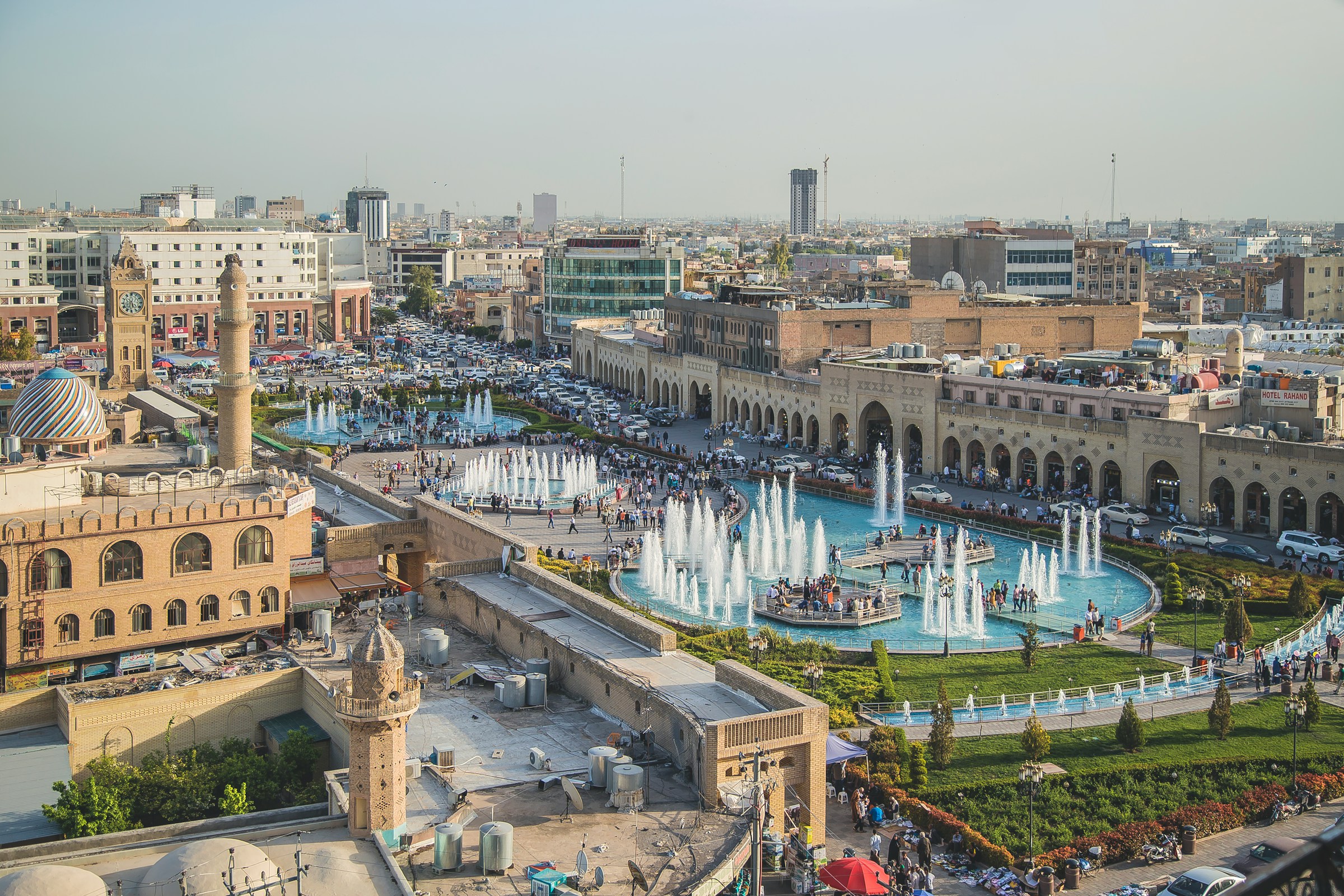
Iraq

Middle East
Capital:
Baghdad
Currency:
Iraqi Dinar (IQD; ~1310 per USD; USD widely accepted; cash only — US credit cards very limited function)
Risk:
Very High
📋

Health Overview

CRITICAL: Iraq Level 4 — non-emergency US personnel ordered to leave March 2 2026. Embassy/CG Erbil suspended routine services. International Zone closed. US personnel prohibited from Baghdad airport. Anti-US militias actively threatening. IED/drone attacks across cities. Kidnapping documented. US-Iran hostilities (Feb 28 2026) have dramatically escalated anti-US sentiment. Leave now.

Key Health Risks

Very High
Active Armed Conflict; Terrorism; Anti-US Violence
Multi-layered threat: Iranian-backed militia attacks on US targets; ISIS remnant insurgency; kidnapping for ransom/political; mass casualty events (markets; mosques; checkpoints). US-Iran hostilities (Feb 28) dramatically escalated. Embassy restricted to International Zone; prohibited from Baghdad airport.
Very High
Kidnapping and Carjacking
Documented pattern: vehicle ambush on highways (Baghdad-Jordan; Baghdad-Kuwait — 'common even during daylight'); hotel/residence abduction; checkpoint interception. Outcomes include execution. Embassy: appoint family member as designated contact with kidnappers.
Very High
Very Poor Healthcare / Medical Evacuation Risk
Baghdad Medical City (1200+ beds): basic emergency but lacks reliable power/supplies/security. Private hospitals variable. Embassy cannot list hospitals by name for security. Kurdistan: Erbil Teaching Hospital significantly better. FAA NOTAM; Baghdad airport prohibited for US personnel — medevac complicated.
⛑️

Health Risk Callout

Iraq's consultation is not pre-travel — it is emergency preparedness. 'Non-emergency US personnel ordered to leave. Embassy suspended services. The US government cannot help you in a medical emergency.'
🏥

Other Health Risks

MERS-CoV (dromedary camels; avoid contact and raw camel products; 35% case fatality; no vaccine); UXO (decades of conflict; extensive contamination especially Mosul; Anbar; do not touch unknown metal objects); Cholera (contaminated water)
🗺

Regional Information

Regional Risk Callout
Baghdad (International Zone): most secured but still IED/drone risk; Embassy restricted. Kurdistan Region (Erbil; Sulaymaniyah): relatively safest; Erbil airport generally operational; better healthcare. Southern Iraq (Basra; Karbala): very high risk; militia presence. Mosul/Nineveh: ISIS remnants; UXO. Anbar: historically most active ISIS area.
Regional Healthcare Callout
Kurdistan Region significantly better than Baghdad/south. Baghdad medevac complicated by airport restrictions and FAA NOTAM.
💉

Vaccine and Malaria Prevention

💉 Entry Vaccine Required
None for US travelers. Visa required.
🛡️ Recommended Vaccines
Routine (MMR — Measles THN); Hep A (strongly recommended); Hep B; Typhoid (recommended); Rabies pre-exposure (consider — stray dogs; PEP unreliable)
🦟 Malaria Information

No malaria risk.

None
👨

Physician Note

R
Dr. Robert
Emergency Medicine · 25+ Years · 40+ Countries

DO NOT TRAVEL HERE Iraq: the departure order is active — March 2 2026. 'The US government has ordered its own personnel to leave. My clinical recommendation is the same: leave now.' Kurdistan Region is meaningfully different — Erbil Teaching Hospital is functional.

That geographic distinction matters clinically.

Pre-Departure Checklist

  • ACTIVE EMERGENCY PROTOCOL: Contact BaghdadACS@state.gov or ErbilACS@state.gov for departure. Erbil airport generally more accessible. Do NOT use Baghdad-Jordan highway without armed escort. Shelter in place: interior room
  • 72-hour supplies. State Dept 24/7: +1-202-501-4444. If unavoidable: Hep A
  • Typhoid
  • MMR
  • MERS-CoV awareness
  • K&R insurance
  • Proof-of-life protocol.DO NOT TRAVEL HERE
✈️

Trip Type Guidance

No standard trip types. Mission organizations should cease operations or execute active departure. Contact BaghdadACS@state.gov for departure assistance.

🗒️

Notes

Special Evacuation Notes
CRITICAL: US personnel PROHIBITED from Baghdad airport. FAA NOTAM. Routine consular services SUSPENDED. Erbil airport generally more accessible. Ground to Jordan extremely hazardous (carjacking on highway). State Dept 24/7: +1-202-501-4444.
Safety Notes
DO NOT TRAVEL HERE.
partner recommendation
Medical Evacuation & Assistance
A medical crisis far from home can cost $50,000+ to evacuate. Global Rescue — the partner we personally trust — provides worldwide evacuation and round-the-clock medical assistance.
Get a quote
Good For
Mission
Quick Info
  • Capital
    Baghdad
  • Language
    Arabic (official); Kurdish (official in Kurdistan Region); English limited outside KRI
  • Currency
    Iraqi Dinar (IQD; ~1310 per USD; USD widely accepted; cash only — US credit cards very limited function)
  • State Dept Level
    4
  • Crime Risk
    Very High (carjacking; kidnapping; organized crime; militia extortion; anti-US targeting)
  • Disaster Risk
    High — flooding (Tigris/Euphrates); dust storms (haboob March-June); extreme summer heat (Baghdad 43°C avg July; >50°C); earthquakes (northern Iraq)
Water Safety
⛔️ Tap Water Not Safe to Drink
Tap water NOT safe anywhere. Infrastructure severely damaged by decades of conflict. Bottled water only; treat all sources in field.
Top Hospital
Baghdad Medical City
Baghdad
Iraq's largest hospital complex; 1200+ beds. Basic emergency/surgery. Severely limited by under-resourcing; security; power. Embassy cannot list hospitals by name for security. Kurdistan: Erbil Teaching Hospital (best in KRI). Medevac: Jordan (Amman; 1 hour air when Baghdad airport operating) or Kuwait (airport closed March 2026).
Emergency Numbers
112
Emergency
115
Ambulance
US EMbassy
'+964-760-030-3000 (from outside); BaghdadACS@state.gov; CG Erbil: +964-66-211-4554; ErbilACS@state.gov
https://iq.usembassy.gov/
Resources
Primary Sources
Direct lines to the agencies that publish the world's most trusted travel-health guidance.