Hungary

Europe
Capital:
Budapest
Currency:
Hungarian Forint (HUF — Hungary is an EU member but has NOT adopted the Euro)
Risk:
Low
📋

Health Overview

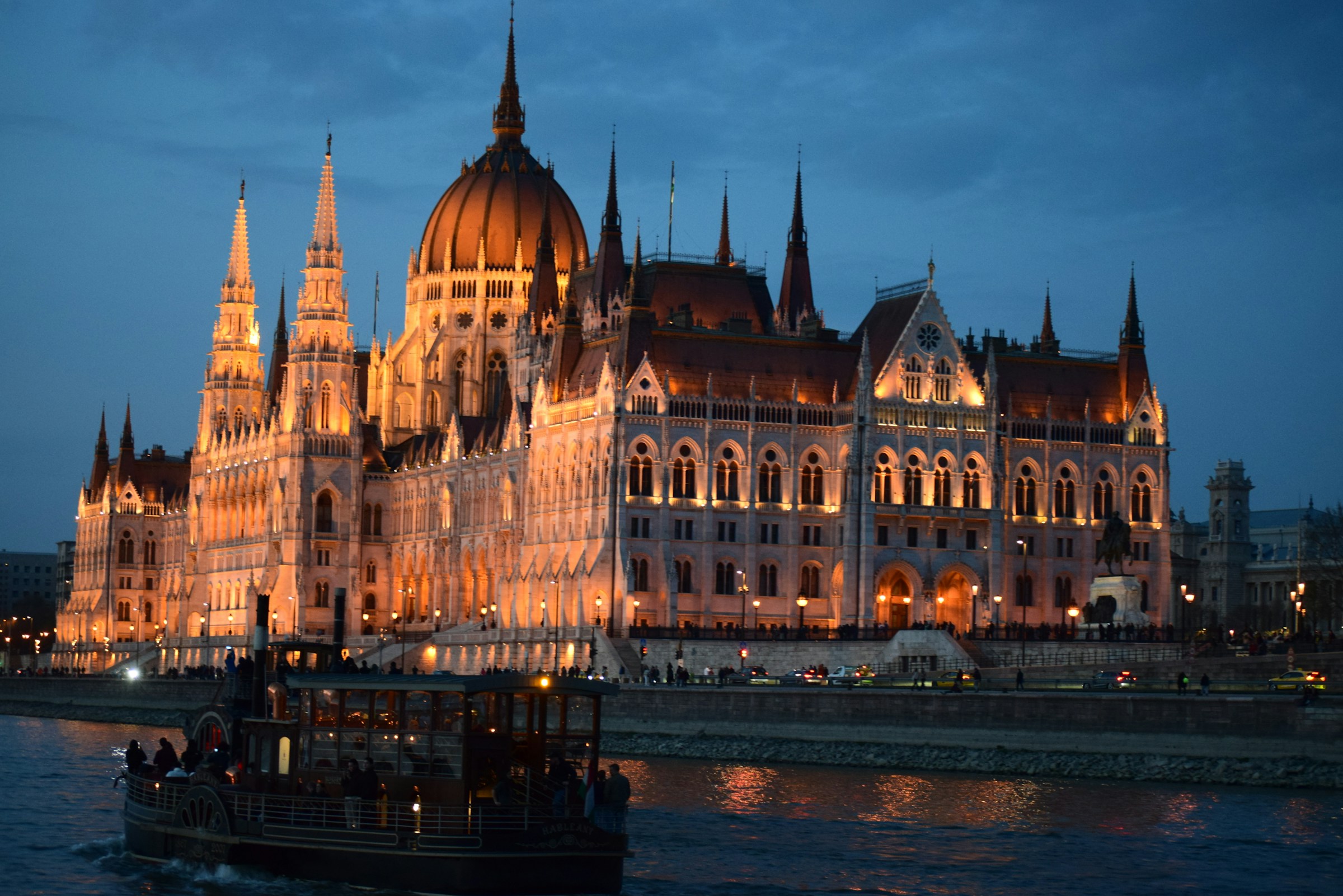
Hungary — Budapest's dramatic Danube panorama; the thermal bath culture; the Great Hungarian Plain; Eger wine country; Lake Balaton; and one of Europe's most vibrant capital cities — is a remarkable destination whose pre-travel consultation is genuinely brief. No malaria; no yellow fever; generally safe food and water; and good healthcare in Budapest. The primary clinical discussion is tick-borne encephalitis (TBE) — Hungary is named as a TBE-endemic country in the CDC Yellow Book and on all TICOVAC endemic country lists; forested areas outside Budapest carry risk April through November. Budapest itself is essentially TBE-safe. The thermal bath culture deserves brief mention for infection risk awareness. Hungary uses the Hungarian Forint (HUF) — not the Euro — a common point of traveler confusion. Be sure to consult your Dr. prior to travel to discuss.

Key Health Risks

Low-Moderate
Tick-Borne Encephalitis
Hungary is named in the CDC Yellow Book as a TBE-endemic European country. Endemic areas include the northern hill country (Bükk; Mátra; Zemplén; Börzsöny; Pilis mountains) and Transdanubian hills (Bakony; Mecsek). Risk period: April through November; peak tick activity in early summer (May-June) and early autumn. TICOVAC discussion is appropriate for travelers planning forested hiking; rural cycling; or extended countryside itineraries in endemic areas. Budapest city and the Great Plain (Hortobágy steppe) carry essentially no TBE risk. Hungary's TBE incidence is lower than Czech Republic; Baltic states; or the highly endemic Austrian provinces — the risk is real but geographically more focal.
Low
Lyme Disease
Borrelia afzelii (European Lyme borreliosis species) is endemic in Hungary's forested areas — same Ixodes ricinus tick vector as TBE; co-prevention with DEET; permethrin; and daily tick checks. European Lyme disease in Hungary most commonly manifests as erythema migrans early stage; late-stage Lyme acrodermatitis chronica atrophicans (ACA) is well-documented in Central European populations. Prevention is the same protocol as TBE: DEET 20%+; permethrin-treated clothing for forested activities; daily full-body tick check after any outdoor activities in endemic areas.
Low-Moderate
Petty Crime and Tourist Scams
Budapest has documented tourist-targeted scams and petty crime: (1) 'Friendly local' scam — approach by attractive persons on Budapest's streets inviting tourists to bars or clubs where extremely inflated bills are presented; refusal to pay can result in intimidation; this scam is well-documented in Budapest's nightlife area; (2) Taxi overcharging — unlicensed taxis at Budapest Keleti (Eastern) train station and Budapest Ferenc Liszt Airport have historically overcharged tourists dramatically; use only Bolt or FőTaxi app-based rides or licensed taxis; (3) Pickpocketing on Budapest public transport — particularly Lines 1; 2; and 3 of the metro and the M3 metro is the most documented pickpocket line; money belt recommended for tourist areas.
⛑️

Health Risk Callout

Budapest's thermal bath culture is one of the great unique experiences of the city and I mention it for one clinical reason — patients with active skin conditions; recent wounds or surgical incisions; or compromised immunity should discuss thermal pool exposure with their physician before the trip. Beyond that; Hungary is essentially a standard European pre-travel consultation: TBE for forested outdoor travelers; routine vaccine review; standard urban precautions. The tourist scam briefing is genuinely worth 30 seconds in any Budapest consultation — the bar/club scam specifically has victimized a large number of US tourists.
🏥

Other Health Risks

Thermal bath hygiene (Budapest has 16 geothermally heated public baths — Széchenyi; Gellért; Rudas; Lukács; Király; Veli Bej — extremely popular with tourists; potential exposure to waterborne pathogens in communal thermal pools; individuals with open wounds; recent surgery; suppressed immunity; or active skin conditions should exercise caution or avoid communal thermal pools; ear infections and skin infections are documented complications; the thermal baths meet EU standards and are monitored regularly but common-sense hygiene applies); Driving: Hungary drives on the RIGHT; international driving permit recommended for US drivers; traffic police enforce speed limits strictly; 0.0‰ BAC drunk driving law — zero tolerance; vignette required for Hungarian motorways
🗺

Regional Information

Regional Risk Callout
Hungary's health risk profile is consistent between Budapest and the countryside with one key distinction. Budapest (capital): world-class tourism infrastructure; the Danube thermal baths; essentially no TBE risk in the urban core; excellent private hospitals. Eger and wine country (northern hills; Bükk National Park; Mátra hills): TBE endemic in forested areas April-November; beautiful hiking and wine culture with real tick exposure risk. Transdanubia (Bakony hills; Pilis hills; Mecsek mountains; Veszprém): TBE endemic in forested terrain. Bükk and Mátra National Parks (northeastern Hungary): TBE endemic; popular hiking destinations. Hortobágy National Park (Great Plain steppe; UNESCO World Heritage): essentially no TBE risk — sparse vegetation; arid steppe ecosystem where Ixodes ricinus ticks are not established. Lake Balaton (Central Transdanubia): some TBE risk in forested lakeside areas but the main tourist beaches are lower risk. Be sure to consult your Dr. prior to travel to discuss.
Regional Healthcare Callout
Healthcare in Budapest approaches Western European standards particularly at private facilities. Provincial Hungary (Pécs; Debrecen; Győr; Miskolc) has regional hospitals that are generally adequate for acute emergencies but below Budapest private hospital standards. Travel insurance is recommended primarily for billing support — Hungarian public hospitals can accept emergencies but private clinics are the standard for international travelers. US Embassy Budapest: +(36)(1) 475-4400.
💉

Vaccine and Malaria Prevention

💉 Entry Vaccine Required
None — Hungary has no entry vaccine requirements for US travelers.
🛡️ Recommended Vaccines
CDC recommends routine vaccines up to date (MMR; Tdap; influenza; COVID-19); Tick-borne encephalitis vaccine (TICOVAC — consider for any traveler planning hiking; cycling; or outdoor activities in forested areas of Hungary — Bükk; Mátra; Bakony; Mecsek hill regions — April through November; risk is low for Budapest city tourism only; 3-dose primary series or accelerated adult schedule); Hepatitis A (consider for extended stays or travelers eating extensively at local markets and rural restaurants beyond tourist infrastructure — Hungary has good food safety generally but standard risk applies for certain off-the-beaten-path dining) Be sure to consult your Dr. prior to travel to discuss.
🦟 Malaria Information

No malaria risk.

Low
👨

Physician Note

R
Dr. Robert
Emergency Medicine · 25+ Years · 40+ Countries

Hungary falls into the European pre-travel consultation pattern — brief clinical content; TBE is the primary vaccine discussion; routine vaccines plus urban precaution counseling. The Budapest bar/club scam is worth 30 seconds explicitly: 'You may be approached by attractive persons on the street who invite you to a bar or club; where you will be presented an extremely inflated bill and sometimes physically intimidated if you object. Walk away from these approaches.' This is one of the most well-documented tourist scams in Europe and I mention it to every Budapest-bound patient.

The thermal bath note is brief — it's not a significant infectious disease concern for immunocompetent travelers but patients with open wounds or suppressed immunity should know that communal thermal pools carry some exposure risk. Beyond those two points; it's a straightforward European consultation.

Pre-Departure Checklist

8+ Weeks

  • Be sure to consult your Dr. prior to travel to discuss
  • TBE vaccine
  • 3-dose primary series or accelerated adult schedule
  • Not clinically indicated for Budapest city tourism only
  • Routine vaccine review (MMR
  • Tdap
  • Influenza
  • COVID-19).

2–4 Weeks

  • Register with STEP
  • Travel insurance for billing support
  • DEET 20%+ and permethrin for forested outdoor activities
  • Daily tick check protocol for rural Hungary
  • Thermal bath hygiene awareness (avoid pools with active skin wounds or infections).

Day Of

  • US Embassy Budapest +(36)(1) 475-4400
  • Emergency 112
  • Ambulance 104
  • Police 107
  • Bolt or FőTaxi app only — never street taxis at Keleti station or airport
  • Money belt for metro and tourist areas
  • Zero-tolerance drunk driving — 0.0‰ BAC
  • HUF local currency (Hungary is NOT in Eurozone).
✈️

Trip Type Guidance

Adventure

  • Balaton Uplands hiking (Lake Balaton northern shore — Tihany Peninsula
  • Vineyards
  • Forested hills with TBE tick awareness required April-November
  • TICOVAC for forested hiking
  • No malaria
  • Thermal spring swimming in Hévíz — world's largest natural thermal lake). Cycling the Danube Bend (Visegrád
  • Esztergom
  • Szentendre — excellent cycling infrastructure
  • TBE awareness for forested sections
  • Bolt bikes or private rental).

Family

  • Budapest is outstanding for family travel — Széchenyi thermal baths (family-friendly outdoor pool section)
  • Hungarian Parliament tour
  • Fisherman's Bastion
  • Budapest Zoo
  • Budapest Funicular
  • Christmas markets on Vörösmarty Square December
  • No travel vaccine requirements for Budapest city itinerary
  • TBE TICOVAC for any forested outdoor activities.

Business

  • Budapest is a major Central European financial and technology hub — Deutsche Telekom
  • GE
  • Audi
  • Samsung
  • And IBM all have significant Budapest operations
  • Excellent English-speaking business environment
  • Well-connected international airport.
🗒️

Notes

Special Evacuation Notes
Medical evacuation from Budapest Liszt Ferenc International Airport is logistically straightforward — direct connections to Vienna; Frankfurt; Amsterdam; London; and other major European hubs. Medical evacuation to the US via Vienna or Frankfurt is feasible. Travel insurance recommended for billing support and evacuation capability for complex cases. No unusual evacuation complexity for standard Budapest itinerary.
Safety Notes
Hungary is a safe travel destination. Budapest is generally safe for tourists. Key precautions: (1) Bar scam — the most important safety briefing for Budapest; attractive strangers inviting tourists to bars with inflated bills and intimidation tactics are well-documented; refuse politely and firmly and walk away; (2) Licensed taxis only — Bolt app or FőTaxi; avoid street taxis at Keleti station and the airport; (3) Pickpockets on the Budapest metro — money belt for tourist circuit. Violent crime against tourists is rare. Rural Hungary is safe with minimal crime. Zero-tolerance drunk driving (0.0‰ BAC) in Hungary — do not drive after any alcohol consumption.
partner recommendation
Medical Evacuation & Assistance
A medical crisis far from home can cost $50,000+ to evacuate. Global Rescue — the partner we personally trust — provides worldwide evacuation and round-the-clock medical assistance.
Get a quote
Good For
Adventure
Family
Business
Quick Info
  • Capital
    Budapest
  • Language
    Hungarian (Magyar)
  • Currency
    Hungarian Forint (HUF — Hungary is an EU member but has NOT adopted the Euro)
  • State Dept Level
    1
  • Crime Risk
    Low
  • Disaster Risk
    Moderate — Hungary sits in the Carpathian Basin; flooding risk from the Danube and Tisza rivers (major Danube flood in 2002; 2006; 2013); severe thunderstorms; rare but documented tornadoes on the Great Plain; Hungary has moderate seismic activity (lower risk than Romania); winter ice and snow.
Water Safety
✅ Tap Water Safe
Tap water is safe in Budapest and all major Hungarian cities and towns — meets EU drinking water standards. Tap water in Budapest is treated to high standards. Rural wellwater in agricultural areas may be less reliable — ask locally; use bottled water in rural farmhouse stays if uncertain.
Top Hospital
Semmelweis University Budapest — Városmajori Szív- és Érgyógyászati Klinika (Heart and Vascular Center) or Duna Medical Center (private; English-speaking)
Budapest
For international travelers: Duna Medical Center (private; English-speaking; central Budapest) is the preferred option for non-emergency acute care — multiple locations in Budapest; American-standard care; accepts international insurance. Semmelweis University teaching hospitals provide excellent specialist care. For emergencies: Mentők (OMSZ — National Ambulance Service) responds effectively in Budapest. Provincial hospitals: adequate for acute stabilization; complex cases transfer to Budapest.
Emergency Numbers
112
Emergency
104 (ambulance)
Ambulance
US EMbassy
'+(36)(1) 475-4400
https://hu.usembassy.gov/
Resources
Primary Sources
Direct lines to the agencies that publish the world's most trusted travel-health guidance.