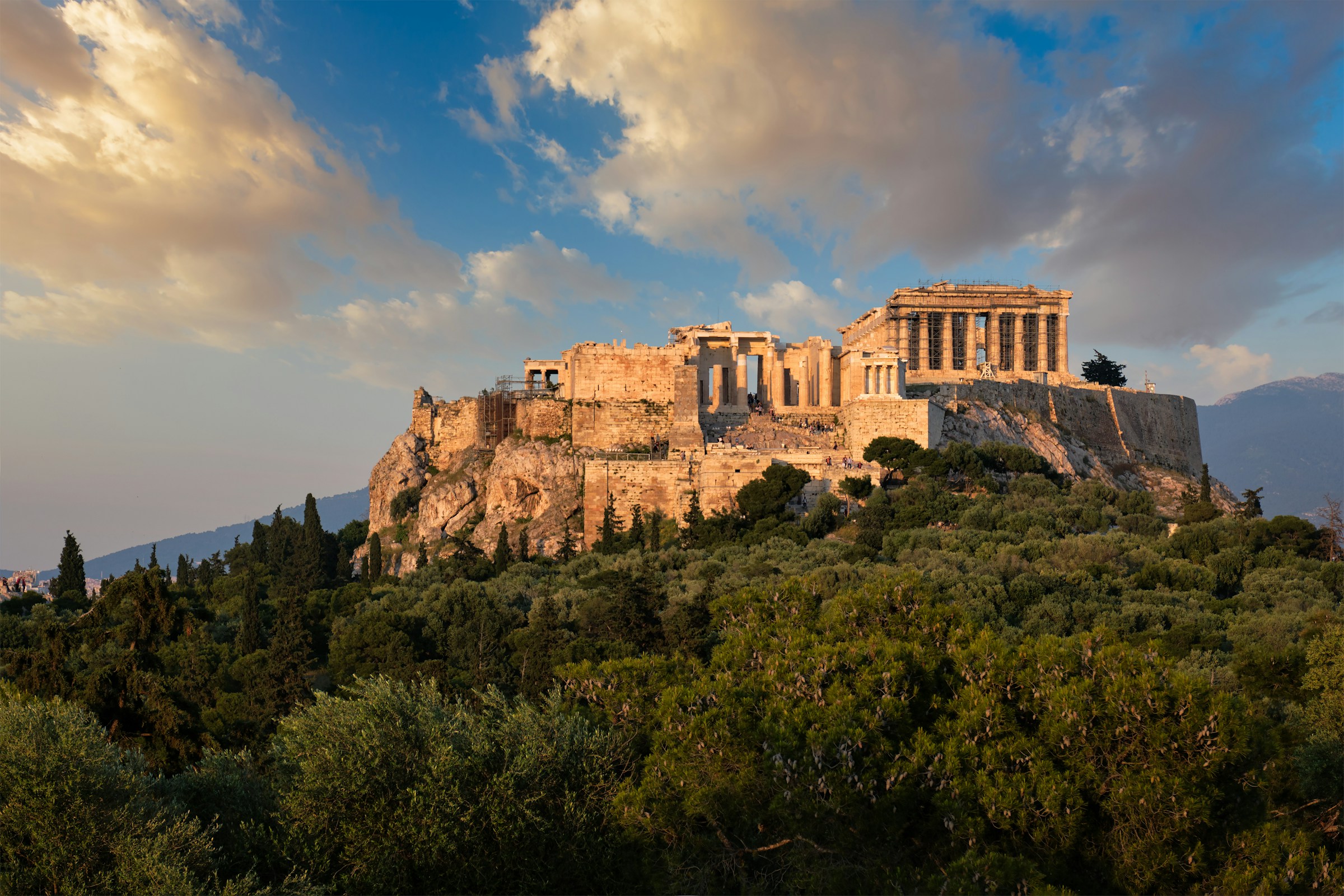
Greece

Europe
Capital:
Athens
Currency:
Euro (EUR)
Risk:
Low
📋

Health Overview

Greece is the lowest-risk destination in this batch — State Dept Level 1, no malaria, no active disease outbreaks, and no polio alert — but the clinical picture isn't completely blank. Heat illness is the number one health emergency during the summer, when Athens and the islands regularly exceed 104°F (40°C) and the government closes archaeological sites including the Acropolis during peak hours. Leishmaniasis from sandfly bites is endemic in rural Greece and relevant for travelers spending extended time outdoors. The key separator between prepared and unprepared travelers is having comprehensive travel insurance (Greek hospitals charge tourists even at public facilities) and knowing that the country's wildfire season creates genuine hazard on the islands from April through October., Greece is geographically diverse with significantly different risk profiles. Athens carries the highest crime and terrorism risk (anarchist group activity, demonstrations) and has severe summer air quality and heat index during heatwaves. The Aegean islands offer lower crime but more limited medical infrastructure — a serious medical emergency on a remote island like Karpathos, Ikaria, or Kastellorizo could require helicopter evacuation to Athens or Rhodes. The northern mainland (Thessaloniki, Macedonia) has a more temperate climate and fewer tourists. Crete has the best medical infrastructure of the Greek islands with a major university hospital in Heraklion.

Key Health Risks

Moderate
Hepatitis A
Greece has higher hepatitis A risk than most Western European countries, particularly related to raw shellfish consumption (octopus, mussels, sea urchin) at informal coastal tavernas. Hepatitis A vaccination is strongly recommended for all travelers eating shellfish or street food. The risk increases significantly on smaller islands where water sanitation infrastructure is less robust.Heat Illness / Heatwaves
High
Heat Illness/Heatwaves High
Summer temperatures in Greece regularly exceed 40°C (104°F) — Athens is one of Europe's hottest capitals. Heat exhaustion and heatstroke are genuine risks for tourists, particularly those visiting archaeological sites (Acropolis, Delphi, Olympia) with limited shade. Hydration, sun protection, and midday rest are essential Jun-Sep.
Moderate
Wildfire Hazard
Wildfires are a seasonal hazard from April through October, particularly on southern mainland and island regions. The 2018 Mati wildfire near Athens killed 102 people; fires have repeatedly threatened Corfu, Rhodes, and other island destinations. Travelers should monitor the Greek Civil Protection Daily Fire Risk Map and have flexible travel plans during wildfire season.
⛑️

Health Risk Callout

true
🏥

Other Health Risks

West Nile Virus is a clinically significant risk in Greece that most travelers are unaware of. Greece reports the highest number of locally-acquired West Nile cases in the EU every summer, concentrated in Central Macedonia and Attica. Human cases occur annually June through October, and severe neurological disease (West Nile encephalitis) can occur in older adults and immunocompromised individuals. There is no vaccine for travelers — DEET and permethrin use during outdoor evening activities is the key prevention. Jellyfish stings (common in Aegean Aug-Sep); sea urchin spines (rocky beaches — wear water shoes); stray dogs (common but generally not aggressive; rabies risk is very low in Greece). Leishmaniasis (sandfly bite — endemic in rural Greece including mainland and islands; cutaneous and visceral forms present); West Nile Virus (active summer transmission in northern Greece/Macedonia and Attica — human cases documented annually since 2010) Leptospirosis (freshwater exposure); Hantavirus (rodent contact); TB (low community risk); sea urchin punctures, jellyfish stings (medical nuisance, not emergencies)
🗺

Regional Information

Regional Risk Callout
Athens and Thessaloniki have full-service hospitals. The major tourist islands (Crete, Rhodes, Corfu, Santorini, Mykonos) have clinics and small hospitals adequate for most emergencies. Small Cycladic and Dodecanese islands may have only a basic health center — serious cases are evacuated by helicopter or coast guard to Athens or Crete. Exarcheia neighborhood in Athens has occasional protest-related unrest.
Regional Healthcare Callout
Athens and Thessaloniki have adequate hospital infrastructure. Major island hospitals: Rhodes (General Hospital of Rhodes), Heraklion (PAGNI University Hospital of Crete — most capable island hospital). Smaller island clinics (iatreio) can handle basic care only; complex cases require evacuation to Athens. An excellent reason to carry Global Rescue coverage.
💉

Vaccine and Malaria Prevention

💉 Entry Vaccine Required
None
🛡️ Recommended Vaccines
CDC recommends routine vaccines (MMR, Tdap, varicella, flu, COVID-19); Hepatitis A (recommended for most travelers — critical for those eating street food or seafood in coastal markets); Hepatitis B (recommended for unvaccinated travelers under 60); Measles (ensure current — global measles alert active); Rabies (consider for travelers spending time in rural areas or doing animal-contact activities — feral dog and cat populations are significant in rural Greece); Tick-borne Encephalitis (consider for travelers with extensive outdoor exposure in northern Greece — TBE is present in the Evros region and Thrace near the Bulgarian/Turkish border)
🦟 Malaria Information

No malaria risk.

None
👨

Physician Note

R
Dr. Robert
Emergency Medicine · 25+ Years · 40+ Countries

Most of my patients think 'Greece equals safe and easy' — and largely they're right. But I always spend time on three things: first, Hepatitis A. Greeks love their raw shellfish, and eating at a small taverna on a remote island is exactly the kind of experience that leads to Hepatitis A a few weeks later.

Listen to the CDC recommendations. Second, heat. The Acropolis closes during extreme heat events for good reason — People who didn't understand that July in Santorini means 107°F (42°C) with no shade.

Hydrate aggressively, move slowly, and stay indoors 11am to 5pm during heatwaves. Third, West Nile Virus is actively transmitted in Greece every summer — primarily in northern Greece but with cases in Attica and around Athens. DEET after sunset, particularly in rural areas, is a simple and effective intervention.

For the islands, travel insurance with helicopter evacuation coverage is non-negotiable.

Pre-Departure Checklist

8+ Weeks

  • CDC recommends ensure Hepatitis A and MMR are current — this is the highest-yield pre-travel vaccine action for Greece
  • Consider Rabies pre-exposure vaccination if planning extended rural or island time with feral animal exposure
  • Obtain comprehensive travel insurance explicitly including helicopter medical evacuation coverage (relevant for island travel).

2-4 Weeks

  • Purchase a portable DEET/permethrin repellent kit for West Nile Virus and Leishmaniasis prevention during evening outdoor activities
  • Review Greek Civil Protection wildfire risk resources if traveling June–October
  • Register with STEP at step.state.gov
  • Carry prescription medications in original packaging with documentation.

Day Of

  • Download Civil Protection app for wildfire risk monitoring
  • Carry water shoes for rocky beach swimming
  • Begin aggressive hydration if arriving during summer — the heat in Greece is more intense than most Americans expect.
✈️

Trip Type Guidance

Adventure

  • Greece offers outstanding adventure travel — Samaria Gorge in Crete, Vikos Gorge in Epirus, sea kayaking the Ionian Islands, sailing the Aegean
  • West Nile Virus and Leishmaniasis precautions (DEET/permethrin) needed for outdoor evening activities
  • Wildfire awareness required

Family

  • Greece is excellent for families with good beaches, rich history, and low health risks
  • Hepatitis A vaccination strongly recommended for all family members eating seafood
  • Summer heat management is critical — plan around midday heat

Beach

  • Greece is one of the world's premier beach destinations. Mykonos, Santorini, Rhodes, Crete, Corfu, and the Ionian Islands offer exceptional swimming. Jellyfish advisories in summer
  • Sea urchins on rocky shores
  • Water shoe recommendation.

Mission

  • Greece has active Orthodox Christian mission networks, archaeological volunteer programs, and refugee support organizations (significant Syrian and Afghan refugee population)
  • Health workers should be current on Hepatitis A and B
  • Good For

Business

  • Athens is a regional business hub with direct US flights (Delta JFK–ATH)
  • Standard business-travel health precautions apply
🗒️

Notes

Special Evacuation Notes
Medical evacuation from remote Greek islands is a real possibility for serious emergencies — helicopter to Athens typically. PAGNI University Hospital in Heraklion (Crete) is the best-equipped island hospital. Ensure travel insurance explicitly covers island-to-island or island-to-mainland helicopter evacuation, which is common and expensive. Global Rescue is the way to go.
Safety Notes
Wildfire risk during summer months is high and genuinely dangerous — monitor the Civil Protection Daily Fire Risk Map (civilprotection.gov.gr), heed local evacuation orders immediately, and maintain flexible travel plans on fire-prone islands. Sea urchin punctures are the most common travel injury in Greece — wear water shoes when swimming near rocky shores. Quad bike and moped rentals on islands are a significant injury risk; standard travel insurance often excludes them — verify coverage before renting and always wear a helmet. Low (pickpocketing in Athens metro and tourist sites; Exarcheia neighborhood has occasional protest-related unrest; very safe overall) HEAT: Summer temperatures exceed 40°C — hydrate constantly at archaeological sites. ISLAND MEDICAL ACCESS: Small islands have limited care; medevac insurance essential. SWIMMING: Respect beach flags; strong currents at some beaches; wear water shoes on rocky beaches. EARTHQUAKES: Greece is seismically active — know your hotel's evacuation plan.
partner recommendation
Medical Evacuation & Assistance
A medical crisis far from home can cost $50,000+ to evacuate. Global Rescue — the partner we personally trust — provides worldwide evacuation and round-the-clock medical assistance.
Get a quote
Good For
Adventure
Family
Beach
Mission
Business
Quick Info
  • Capital
    Athens
  • Language
    Greek
  • Currency
    Euro (EUR)
  • State Dept Level
    1
  • Crime Risk
    Low-Moderate
  • Disaster Risk
    Moderate (earthquakes — Greece is seismically active; forest fires in summer especially on islands and in Attica; severe winter storms in northern Greece; flooding)
Water Safety
✅ Tap Water Safe
Tap water is safe in major cities and on main islands.
Top Hospital
Hygeia Hospital
Athens
Athens' largest and most prestigious public hospital; serves as the primary tertiary referral center for central Greece. Located in Kolonaki district, 1.5 km from the US Embassy. U.S. Embassy Athens maintains a physician and hospital list at gr.usembassy.gov/medical-assistance/. Hygeia Hospital is a leading private hospital in Athens — modern facilities, English-speaking staff, full specialist coverage. Also: Athens Medical Center, Metropolitan Hospital Athens (private). Public: Evangelismos Hospital (Athens' main public hospital, A&E). Thessaloniki: Interbalkan Medical Center (private). Crete: Venizeleio Hospital (Heraklion, largest on Crete).
Emergency Numbers
112
Emergency
112
Ambulance
US EMbassy
+30-210-721-2951
https://gr.usembassy.gov/
Resources
Primary Sources
Direct lines to the agencies that publish the world's most trusted travel-health guidance.