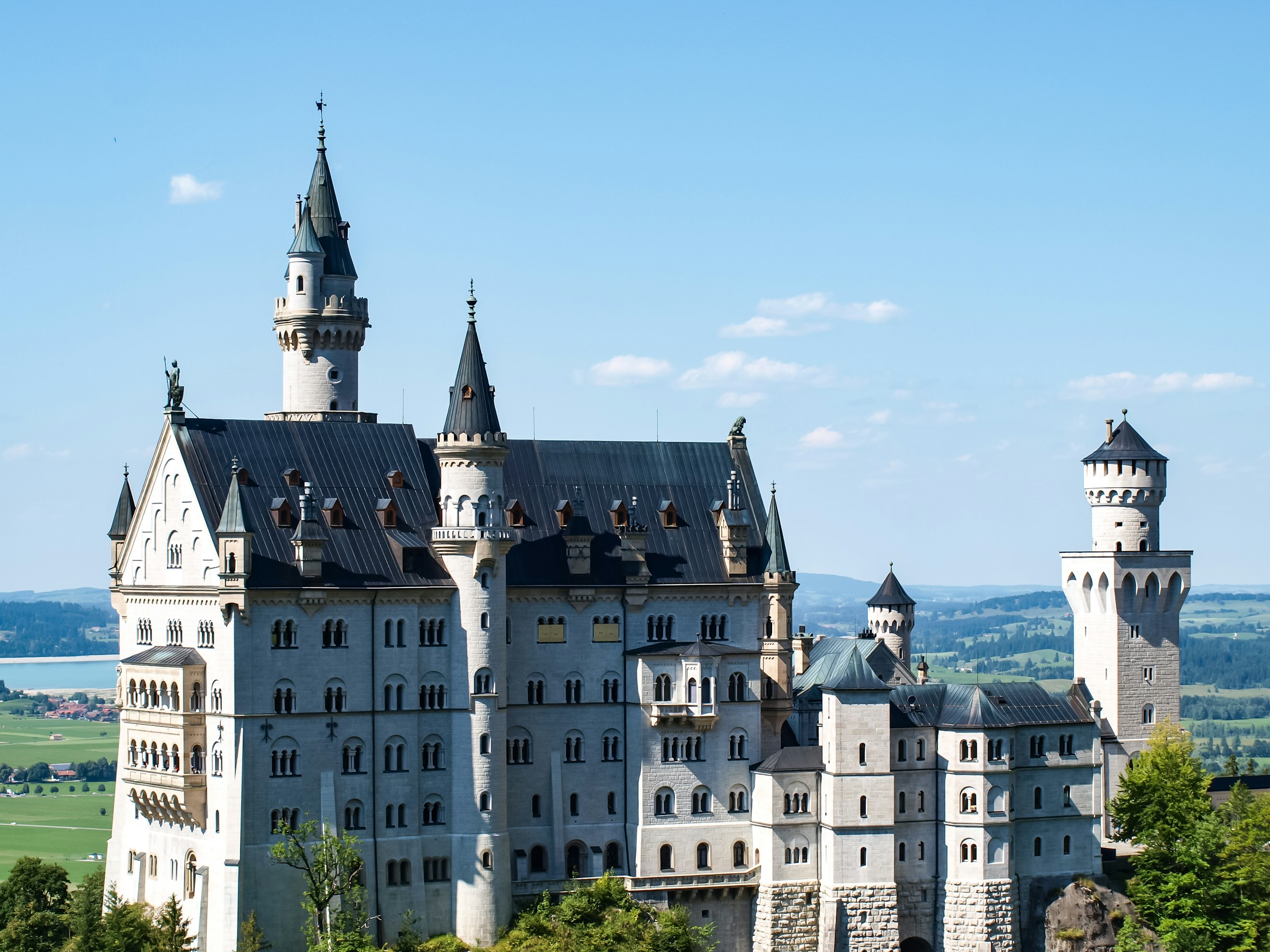
Germany

Europe
Capital:
Berlin
Currency:
Euro (EUR)
Risk:
Low-Moderate
📋

Health Overview

Germany carries two active CDC health alerts simultaneously — a Level 2 Polio notice (poliovirus found in German wastewater and confirmed cases) and the global Level 1 Measles alert — making it the most medically complex destination in this Western European batch from a vaccine standpoint. The terrorism threat is consistent and credible: Germany has experienced vehicle-ramming attacks at the Berlin Christmas market (2016), Mannheim (2024), and a series of knife attacks at public events in 2024. Healthcare infrastructure is among the best in the world. The prepared traveler confirms polio booster status before departure and carries comprehensive documentation of all vaccinations.

Key Health Risks

Moderate
Tick-Borne Encephalitis (TBE)
TBE is endemic in southern Germany — Bavaria and Baden-Württemberg carry the highest risk. Transmitted by Ixodes ticks in forested and grassy areas, Apr-Oct. TBE vaccine is recommended for hikers, campers, and outdoor enthusiasts in these regions. Use DEET in tall grass and check for ticks after outdoor activity. Polio (Active CDC Level 2)
Low-Moderate
Polio (Active CDC Level 2)
Poliovirus has been detected in German wastewater surveillance and clinical cases have been confirmed. CDC Level 2 travel notice is active (first issued November 2025). An IPV booster is recommended by CDC for adults who completed their childhood series. This is not a hypothetical risk — Germany has confirmed poliovirus circulation, attributed primarily to unvaccinated communities in specific urban areas.
Low
Leishmaniasis
Leishmaniasis (very rare — southern Germany border regions); West Nile Virus (detected in Germany since 2018 — primarily in birds but human cases confirmed in eastern Germany each summer)
⛑️

Health Risk Callout

true
🏥

Other Health Risks

TBE in Germany is a clinically real risk that's underappreciated by American travelers. The Robert Koch Institute reports hundreds of confirmed cases annually. For anyone camping, hiking, or mountain biking in Bavarian or Baden-Württemberg forests between April and November, TBE vaccination is a genuine recommendation — not a theoretical one. Hantavirus is also worth noting: Germany has periodic Hantavirus outbreaks linked to high rodent populations in specific forest regions. Traveler's Diarrhea. Leptospirosis; Hantavirus (Germany has relatively high Hantavirus rates in Central Europe — particularly Swabian Alb and Teutoburg Forest regions); Parvovirus B19; TB (urban, low risk for brief travelers) | 2026 UPDATE: Poliovirus (WPV1): Wild poliovirus type 1 detected in Hamburg wastewater; environmental detection only, no clinical cases. Germany covered by CDC Global Polio Level 2 notice. (https://www.ecdc.europa.eu/en/news-events/detection-wild-poliovirus-wastewater-germany-risk-and-recommendations, 2025-11-13)
🗺

Regional Information

Regional Risk Callout
Germany is geographically uniform in its risk profile for most of the country. Berlin, Munich, Frankfurt, Hamburg, and Cologne all carry the highest terrorism risk due to symbolic value and population density. Eastern German cities (Dresden, Leipzig) have experienced higher rates of politically motivated violence from far-right groups. The Bavaria-Thuringia-Saxony border forest region has tick-borne encephalitis transmission zones that are among the highest-risk in Central Europe — relevant for hikers and campers.
Regional Healthcare Callout
German healthcare is uniformly excellent across major cities. Rural eastern Germany has fewer specialty facilities. The German public insurance system (GKV) does not cover tourists; private supplemental travel insurance is essential.
💉

Vaccine and Malaria Prevention

🛡️ Recommended Vaccines
CDC recommends routine vaccines (MMR, Tdap, varicella, flu, COVID-19); Polio booster (CRITICAL — CDC Level 2 notice active; poliovirus identified in Germany; adults with completed childhood series should receive one adult lifetime IPV booster before travel; unvaccinated travelers need complete series); Hepatitis A (consider for most travelers); Hepatitis B (recommended for unvaccinated travelers under 60); Measles (ensure current — global alert); Tick-borne Encephalitis (strongly recommended for travelers with outdoor exposure in southern/central Germany forests — particularly Bavaria, Baden-Württemberg, and Thuringia — from April through November); Rabies (consider for animal handlers or long stays in rural areas), None
🦟 Malaria Information

No malaria risk.

👨

Physician Note

R
Dr. Robert
Emergency Medicine · 25+ Years · 40+ Countries

Germany is one of the most medically complex of the classic European destinations right now, and I want my patients to understand that. Two active CDC health alerts — Polio and Measles — mean I'm having pre-travel vaccine conversations for Germany that I wasn't having five years ago. The polio finding is real: wastewater surveillance is picking up the virus in multiple German cities, and there have been confirmed cases.

CDC recommends an IPV booster for every adult patient traveling to Germany who doesn't have documentation of one. TBE (Tick Borne Encephalitis) is the other CDC recommendation. — Germany's forests are genuinely high-risk for tick-borne encephalitis, and there have been confirmed TBE cases in travelers who hiked in Bavaria without knowing the vaccine existed.

The TBE vaccine is not universally available in the US; travelers need to plan 8-plus weeks ahead to complete the minimum two-dose series. Beyond vaccines, Germany is a very safe, high-quality destination. The healthcare system is outstanding — if something goes wrong medically, you couldn't be in a better-resourced country.

Pre-Departure Checklist

8+ Weeks

  • Confirm polio vaccination status and obtain IPV booster if no adult dose received — this is the most time-sensitive action for Germany travel
  • Consult travel medicine provider about TBE vaccine series (requires 2 doses minimum over 1–3 months) if planning any outdoor activities in German forests or alps
  • Ensure MMR is current.

2-4 Weeks

  • Register with STEP at step.state.gov
  • Confirm rail/air itinerary can accommodate potential strike disruptions
  • Carry travel insurance documentation.

Day Of

  • Keep TBE vaccine records available
  • Carry medications in original packaging with prescriptions
  • Be aware of surroundings at Christmas markets, festivals, and any large public gatherings.
✈️

Trip Type Guidance

Adventure

  • Germany offers excellent outdoor adventure — Bavarian Alps hiking, Rhine cycling, Black Forest trails
  • CDC vaccine recommendations: TBE vaccine is a genuine necessity for forest/alpine activities
  • Polio booster required before travel
  • No other significant health barriers

Family

  • Germany is highly family-friendly with outstanding infrastructure
  • Polio booster is the critical pre-travel action for all family members, especially children
  • TBE vaccine recommended for those planning outdoor activities

Business

  • Germany is Europe's largest economy and a major global business hub
  • Frankfurt, Munich, Berlin, and Hamburg are all major centers
  • Polio documentation should be current
🗒️

Notes

Special Evacuation Notes
Medical evacuation from Germany to the US is logistically straightforward given Germany's excellent air connections. However, German hospitals can handle virtually any medical condition — medevac is rarely necessary. Ensure travel insurance covers all inpatient costs as German hospitals bill internationally.
Safety Notes
Terrorism situational awareness is the primary safety behavior in Germany — Christmas markets and outdoor festivals are priority targets; know your exits and avoid prolonged static standing in dense crowds. Strikes by Deutsche Bahn train workers and Lufthansa ground staff occur periodically with short notice and can strand travelers. Check schedules before any rail journey. Political demonstrations, particularly by both far-right and far-left groups, occur regularly in Berlin, Dresden, and Leipzig. Autobahn has no universal speed limit on some sections — high-speed driving requires experience. German traffic rules are strictly enforced. Cycling infrastructure is excellent but cyclists must follow traffic laws.
partner recommendation
Medical Evacuation & Assistance
A medical crisis far from home can cost $50,000+ to evacuate. Global Rescue — the partner we personally trust — provides worldwide evacuation and round-the-clock medical assistance.
Get a quote
Good For
Adventure
Family
Business
Quick Info
  • Capital
    Berlin
  • Language
    German
  • Currency
    Euro (EUR)
  • State Dept Level
    2
  • Crime Risk
    Low
  • Disaster Risk
    Moderate
Water Safety
✅ Tap Water Safe
Germany has excellent food safety standards. Tap water is safe. Raw or undercooked pork (Mett — raw minced pork spread is a traditional German dish) carries theoretical risk for Toxoplasma, Salmonella, and other pathogens — immunocompromised travelers and pregnant women should avoid it.
Top Hospital
Charité – Universitätsmedizin Berlin
Berlin
One of Europe's largest and most prestigious university hospitals; comprehensive specialty coverage across two major campuses. Widely regarded as Germany's best medical institution. Full list of English-speaking physicians available through the U.S. Embassy Berlin.
Emergency Numbers
112
Emergency
112
Ambulance
US EMbassy
+49-30-8305-0
https://de.usembassy.gov/
Resources
Primary Sources
Direct lines to the agencies that publish the world's most trusted travel-health guidance.