French Polynesia

Oceania
Capital:
Papeete (Tahiti; Society Islands)
Currency:
CFP Franc (XPF) — pegged to Euro at fixed rate
Risk:
Low
📋

Health Overview

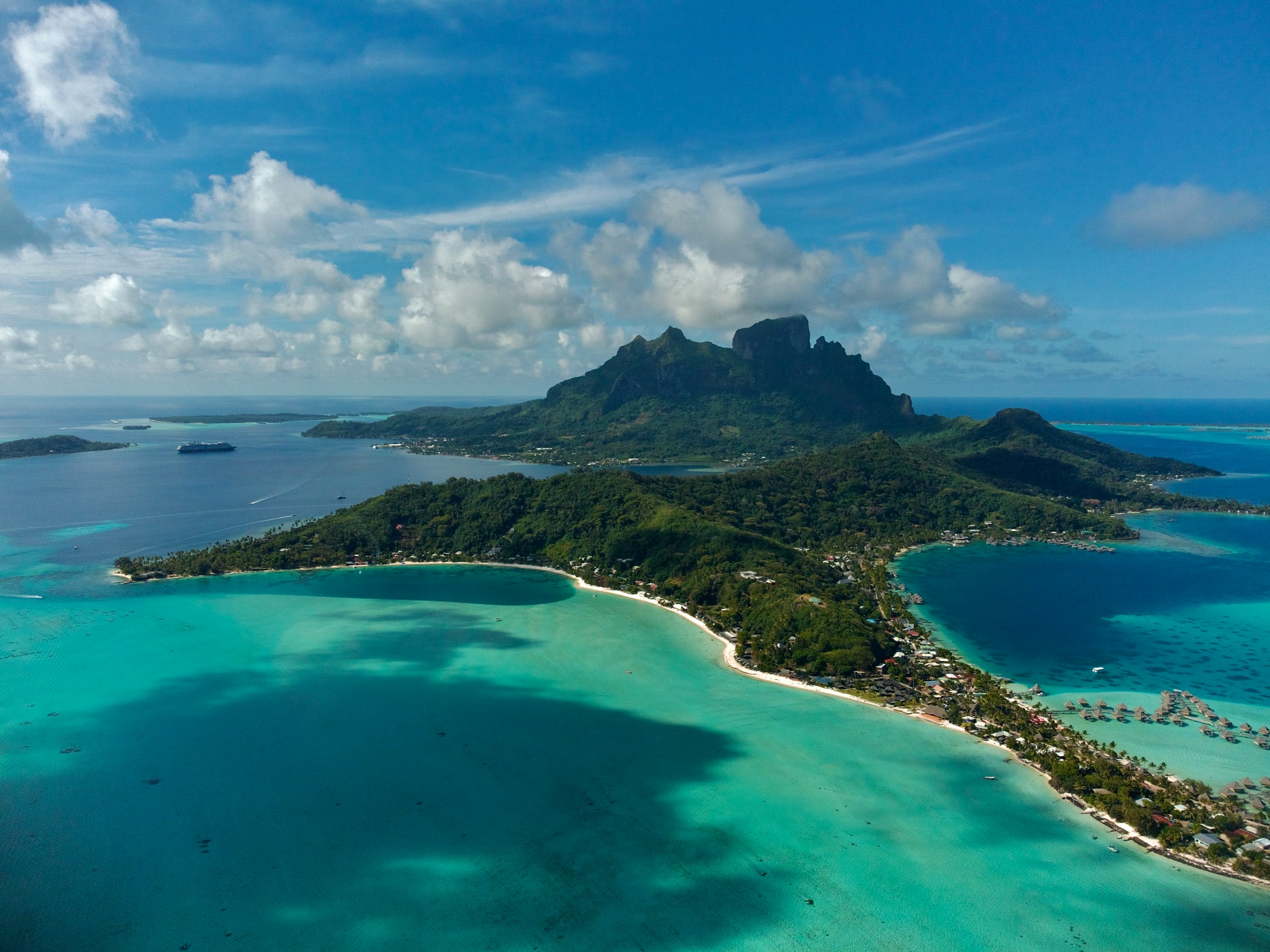
French Polynesia — Tahiti; Bora-Bora; Moorea; the Marquesas; the Tuamotu atolls — is one of the world's most iconic luxury travel destinations: overwater bungalows; the bluest lagoons on the planet; exceptional French cuisine; and a serenity that draws honeymooners from around the world. The health profile is genuinely manageable: no malaria exists anywhere in French Polynesia; dengue is on an active CDC Travel Health Notice naming specific island groups; and the territory is managed under French healthcare standards with quality medical facilities in Papeete. The main pre-travel clinical points are dengue prevention (active THN); Zika counseling for relevant travelers; and sun protection in an equatorial UV environment. Be sure to consult your Dr. prior to travel to discuss.

Key Health Risks

Moderate
Dengue — Active Global CDC THN
French Polynesia is specifically and comprehensively named on the active CDC Global Dengue Level 1 THN — listing Society Islands (Tahiti; Moorea; Bora-Bora); Marquesas Islands (Hiva Oa; Ua Huka); and Austral Islands (Tubuai; Rurutu) individually. French Polynesia had a major dengue outbreak in 2023-2024. Aedes aegypti mosquitoes are present throughout the islands — daytime biters. Prevention: DEET 20%+ throughout outdoor activities (not just evenings); permethrin-treated clothing; air-conditioned or screened rooms.
Low
Zika — Historical Transmission
French Polynesia experienced the world's first identified Zika outbreak in 2013-2014 — this is the outbreak from which Guillain-Barré syndrome association was first documented (58-fold increase in GBS during the outbreak). French Polynesia is also where the critical link to microcephaly in neonates was first characterized. There is no active Zika outbreak currently. However; French Polynesia is classified as having past Zika transmission. Standard precautions: DEET and other mosquito prevention; for travelers attempting to conceive — CDC guidelines recommend waiting 3 months after travel for men; 2 months for women before attempting conception after any Zika-endemic area travel; discuss with each traveler's provider.
Moderate
Decompression Illness Risk
French Polynesia is one of the world's premier dive destinations — Rangiroa's Blue Lagoon and Avatoru pass for drift diving; Fakarava's south pass (UNESCO Biosphere Reserve); Bora-Bora sharks; Moorea dolphin dive. Decompression illness is a genuine medical risk for divers. Papeete's Centre Hospitalier has hyperbaric facilities but remote atolls have no decompression treatment capability — a serious case of DCS at a Tuamotu atoll requires air evacuation to Tahiti. Dive within the tables; ascend slowly; make safety stops; do not fly within 24 hours of diving (12 hours minimum; 18-24 hours for multiple dives). Dive medical examination recommended before extended dive itineraries.
⛑️

Health Risk Callout

Ciguatera is the one French Polynesia-specific health risk that deserves specific pre-travel counseling — it is endemic in the reef fish throughout these islands; the neurological symptoms are dramatic; prolonged; and can mimic multiple other conditions; and there is no antidote or treatment beyond symptom management. The DEET point for dengue is consistent with Fiji: Aedes is a daytime biter so evening-only DEET misses most dengue exposure.
🏥

Other Health Risks

Ciguatera fish poisoning (reef fish; particularly large carnivorous reef fish including barracuda; grouper; snapper; amberjack; mahi-mahi caught near outer reefs — ciguatera is endemic throughout French Polynesia; no reliable test for contamination; no antidote; causes neurological symptoms including sensory reversal [cold feels hot; hot feels cold] that can persist weeks to months; avoid large carnivorous reef fish; consume only small reef fish; ciguatera is non-neutralized by cooking); Tropical cyclone risk (November-April cyclone season; South Pacific cyclones can be significant but French Polynesia has lower frequency than Fiji or Vanuatu) | 2026 UPDATE: Dengue: French Polynesia dengue epidemic that began 2023-2024 continues into 2025-2026; ongoing Pacific-wide dengue activity per WHO WPRO dengue situation updates. (https://cdn.who.int/media/docs/default-source/wpro---documents/emergency/surveillance/dengue/dengue_20260528.pdf, 2026-05-28)
🗺

Regional Information

Regional Risk Callout
French Polynesia's risk profile is consistent across its island groups for the core health concerns (dengue; Zika history; UV) with some variation in healthcare access. Society Islands (Tahiti; Moorea; Bora-Bora; Raiatea; Huahine): best healthcare access on Tahiti at Centre Hospitalier de Polynésie Française in Papeete; adequate for acute care. Bora-Bora and Moorea have smaller clinics; serious cases transfer to Tahiti. Marquesas Islands (Nuku Hiva; Hiva Oa; Ua Huka): very remote; limited healthcare; serious emergencies require air evacuation to Tahiti. Tuamotu atolls (Rangiroa; Fakarava; Tikehau): excellent diving but minimal healthcare — dive-related decompression illness requires evacuation to Papeete's hyperbaric chamber. Austral Islands: very remote.
Regional Healthcare Callout
Healthcare on Tahiti is genuinely good by Pacific standards — the French government investment in Polynesian healthcare produces a system significantly better than comparable Pacific island nations. Outside Tahiti; healthcare capability drops rapidly. Bora-Bora and Moorea have medical centers adequate for minor acute care; serious cases are air-transferred to Tahiti. Outer islands (Tuamotu; Marquesas; Australs) have minimal capability — travel insurance with air evacuation is essential. US emergencies: the US maintains a Consular Agent in French Polynesia but the US Embassy for consular services is in Suva; Fiji — contact via the Tahiti Consular Agent office during business hours; +679-331-4466 after hours (Suva emergency line).
💉

Vaccine and Malaria Prevention

💉 Entry Vaccine Required
None — French Polynesia has no entry vaccine requirements for US travelers arriving directly from the US.
🛡️ Recommended Vaccines
Routine vaccines up to date (MMR; Tdap; influenza; COVID-19); Hepatitis A (recommended for travelers eating beyond high-end resort and French restaurant establishments); Typhoid (consider for extended stays or any community/local dining beyond tourist infrastructure); Zika counseling for travelers who may become pregnant or whose partner may become pregnant — Zika has documented past transmission in French Polynesia (first Pacific Zika outbreak in 2013-2014); standard mosquito prevention measures reduce but do not eliminate risk
🦟 Malaria Information

No malaria risk.

👨

Physician Note

R
Dr. Robert
Emergency Medicine · 25+ Years · 40+ Countries

French Polynesia is a consultation I find genuinely enjoyable — stunning destination; manageable health picture; and two specific clinical points that make the consult worthwhile. First: the dengue THN names Bora-Bora; Moorea; Tahiti; the Marquesas; and the Austral Islands individually. That's the entire tourist circuit.

DEET 20%+ applied throughout the day — not just evenings — is the message I give every Polynesia-bound patient. Second: ciguatera. This is the one French Polynesia-specific condition that genuinely surprises travelers.

It's endemic in the reef fish throughout these islands; it's undetectable by smell or appearance; cooking doesn't neutralize it; and the neurological symptoms — especially the sensory reversal where cold feels burning hot and hot feels cold — are memorable enough that a travel medicine provider seeing a returning patient should know to ask about reef fish consumption in French Polynesia. The Zika historical context is worth brief mention for relevant couples — French Polynesia had the first documented Pacific Zika outbreak and the first documented Guillain-Barré association.

Pre-Departure Checklist

8+ Weeks

  • CDC recommends Hepatitis A immunity confirmation
  • Routine vaccine review (MMR
  • Tdap
  • Influenza
  • COVID-19)
  • Zika counseling for relevant travelers (standard mosquito prevention
  • Conception wait period counseling 2 months for women
  • 3 months for men post-travel).

2–4 Weeks

  • Register with STEP
  • Travel insurance with air evacuation from outer islands
  • DEET 20%+ (daytime — Aedes bites all day
  • Not just evening)
  • Ciguatera briefing for any reef fish dining (avoid large carnivorous reef fish
  • Barracuda
  • Amberjack
  • Grouper
  • Large snapper)
  • Reef cut antiseptic kit for divers and snorkelers.

Day Of

  • US Consular Agent Papeete [VERIFY number]
  • US Embassy Suva emergency +679-772-8049
  • SAMU 15
  • CHPF Papeete +689-40-48-62-62
  • DAN (Divers Alert Network) +1-919-684-9111 for decompression illness guidance
  • Do NOT fly within 18-24 hours of any diving. Be sure to consult your Dr. prior to travel to discuss.
✈️

Trip Type Guidance

Adventure

  • Tuamotu atolls diving (Rangiroa and Fakarava — world-class shark and manta ray diving
  • Drift diving through passes on the current
  • DCS awareness — no flying 18-24 hours after diving
  • Papeete hyperbaric chamber only option for serious DCS
  • Travel insurance with evacuation essential for outer atolls)
  • Surfing (Teahupoo on Tahiti's south coast — one of the world's most powerful and dangerous waves
  • Expert surfers only
  • Significant reef injury risk
  • Ciguatera awareness for reef fish meals after surf sessions).

Family

  • French Polynesia is outstanding for family honeymoon and family travel — overwater bungalows
  • Lagoon activities
  • Stingray and shark feeding at Bora-Bora
  • No malaria
  • Dengue DEET all day for children (Picaridin for children under 12
  • DEET max 30%).

Beach

  • French Polynesia has the most iconic beach and lagoon scenery in the world — Bora-Bora
  • Moorea
  • Tetiaroa (Marlon Brando's island)
  • Fakarava — no malaria
  • Dengue DEET
  • Ciguatera reef fish counseling
  • Cyclone season awareness.
🗒️

Notes

Special Evacuation Notes
Medical evacuation from Tahiti to Los Angeles is logistically straightforward — Air Tahiti Nui and Air France operate direct routes. Travel insurance with air evacuation is essential for any outer island itinerary. Divers: note that Papeete's hyperbaric chamber is the only decompression treatment option in French Polynesia — avoid flying within 24-18 hours of diving; serious DCS at a remote atoll requires air evacuation.
Safety Notes
French Polynesia is one of the world's safest travel destinations. Low crime throughout — petty theft in urban Papeete is the main concern; secure valuables in overwater bungalow accommodation (open water access means belongings can be touched from the water side). Resorts throughout the Society Islands and diving destinations are essentially crime-free. Follow resort safety briefings on currents and marine hazards — the famous Bora-Bora motus (islets) have strong tidal currents between islands.
partner recommendation
Medical Evacuation & Assistance
A medical crisis far from home can cost $50,000+ to evacuate. Global Rescue — the partner we personally trust — provides worldwide evacuation and round-the-clock medical assistance.
Get a quote
Good For
Adventure
Family
Beach
Quick Info
  • Capital
    Papeete (Tahiti; Society Islands)
  • Language
    French (official); Tahitian (Reo Tahiti); other Polynesian languages
  • Currency
    CFP Franc (XPF) — pegged to Euro at fixed rate
  • State Dept Level
    1
  • Crime Risk
    Low — petty crime only in urban Papeete; resorts are extremely safe
  • Disaster Risk
    Moderate — French Polynesia is in an active Pacific cyclone zone (November-April season); Tuamotu atolls are at sea level and highly vulnerable to tsunami inundation from regional seismic events; Society Islands volcanic activity is historically inactive (Tahitian volcanic peaks are ancient eroded basalt); Marquesas Islands: mild seismic risk
Water Safety
✅ Tap Water Safe
Tap water is SAFE in Papeete and Tahiti — treated to French standards. Tap water is NOT reliable on outer islands; remote atolls; and smaller islands where cistern collection is the water source. Use bottled or resort-filtered water on any island outside Tahiti. The Society Islands resorts almost universally provide filtered or bottled water.
Top Hospital
Centre Hospitalier de Polynésie Française (CHPF)
Papeete (Tahiti)
French Polynesia's main hospital — operated to French healthcare standards; French-speaking; full emergency; surgery; internal medicine capability; hyperbaric chamber for decompression illness. Tel: +689-40-48-62-62 [VERIFY]. Considered one of the best hospitals in the Pacific island region due to French healthcare investment.
Emergency Numbers
15 (SAMU)
Emergency
15 (SAMU)
Ambulance
US EMbassy
'+679-331-4466 (US Embassy Suva handles French Polynesia — US Consular Agent local number: +689-4050-0500 or reach Suva at +679-772-8049 after hours) [VERIFY local Tahiti consular agent number]
https://fj.usembassy.gov/
Resources
Primary Sources
Direct lines to the agencies that publish the world's most trusted travel-health guidance.