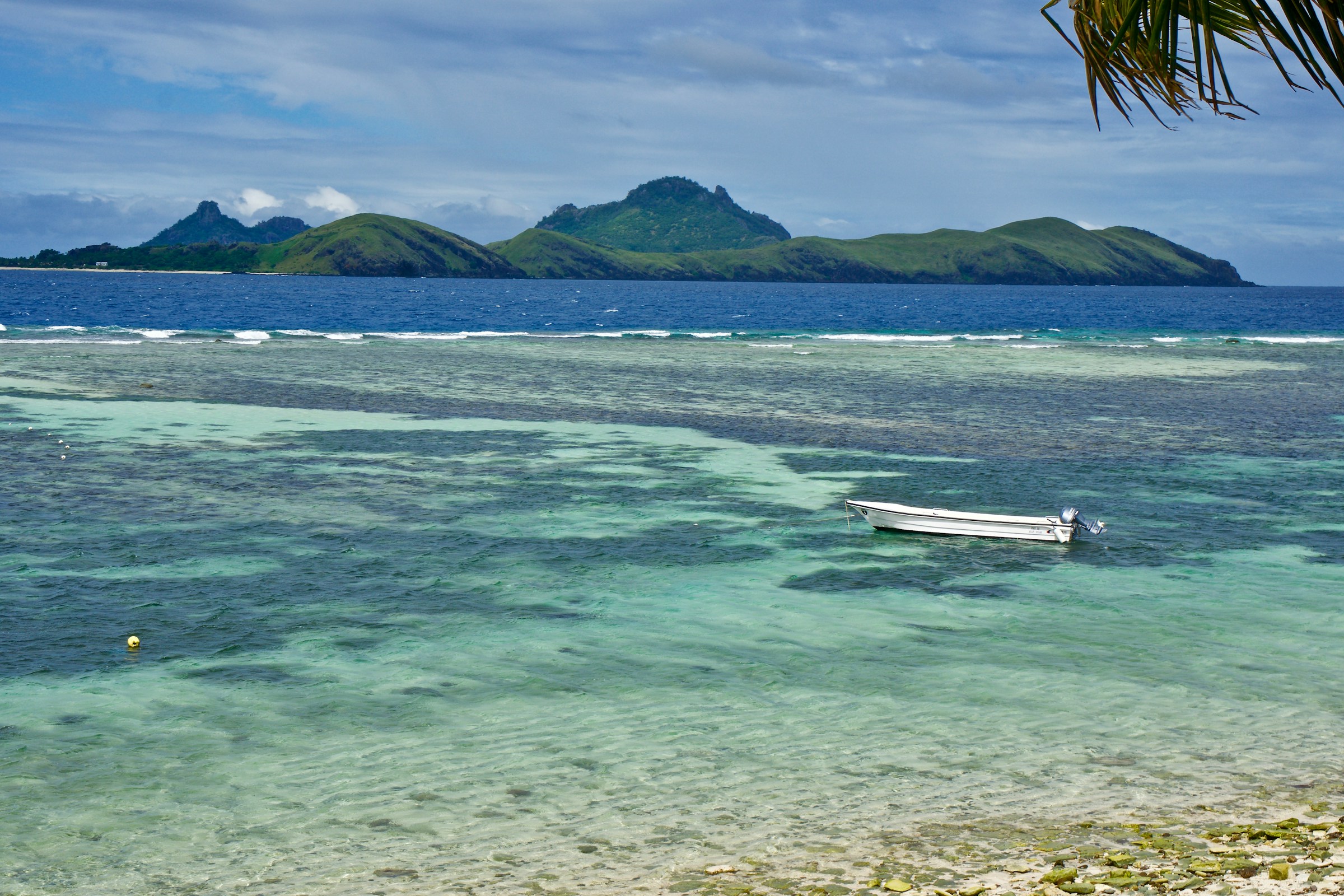
Fiji

Oceania
Capital:
Suva
Currency:
Fijian Dollar (FJD)
Risk:
Low-Moderate
📋

Health Overview

Fiji is one of the world's most appealing tropical travel destinations — 333 islands; the legendary Mamanuca and Yasawa island resort chains; world-class soft coral diving; postcard-perfect bungalow resorts over aquamarine water; and an extraordinarily warm and welcoming culture. The pre-travel health conversation is focused and specific: dengue is on an active CDC Travel Health Notice (THN) specifically naming Fiji; no malaria exists anywhere in Fiji; Zika has past transmission history; and the country sits in the Pacific 'Ring of Fire' with significant tropical cyclone risk November-April. Leptospirosis is an important under-recognized risk for adventure travelers with freshwater contact. Healthcare on the main islands is adequate for acute care; remote islands require medical evacuation planning.

Key Health Risks

Moderate-High
Dengue — Active Global CDC THN
Fiji is specifically named on the active CDC Global Dengue Level 1 Travel Health Notice (updated March 2026). Dengue is a year-round risk with outbreak cycles every 2-5 years. Fiji has experienced significant dengue outbreaks including large outbreaks in 2023-2024. Both dengue serotypes 1 and 3 are circulating. No vaccine is available for most tourists (Dengvaxia is approved for seropositive individuals with previous dengue infection only). Prevention is entirely by mosquito avoidance: DEET 20%+; permethrin-treated clothing; stay in air-conditioned or screened rooms; use bed nets. Dengue presents with sudden high fever; severe headache; retro-orbital pain; severe muscle and joint pain ('breakbone fever'); and rash. Any Fiji traveler with dengue-compatible fever symptoms requires dengue NS1 antigen or PCR testing. Be sure to consult your Dr. prior to travel to discuss.
High
Tropical Cyclone Risk
Fiji is in an active tropical cyclone zone — November-April cyclone season; Category 5 cyclones (sustained winds exceeding 165 mph) can strike with limited warning. Category 5 Cyclone Winston (February 2016) was the most intense tropical cyclone in Southern Hemisphere history at landfall — winds of 170 mph; killed 44. Cyclone Harold (April 2020); Cyclone Yasa (December 2020); Cyclone Cody (January 2022) have all struck Fiji in recent years. During cyclone season: monitor Fiji Meteorological Service (met.gov.fj) daily; know evacuation routes from any resort accommodation; understand that outer island resorts may be cut off for days after a cyclone; travel insurance with trip interruption coverage is essential for November-April travel.
Moderate
Leptospirosis
Leptospirosis is a bacterial infection (Leptospira spp.) transmitted through contact with water or soil contaminated by infected animal urine — particularly common after floods; heavy rain; or any freshwater activity in tropical environments. Fiji has documented leptospirosis cases and outbreaks particularly after flooding. Risk activities: swimming or wading in rivers; streams; or floodwater; mud runs or adventure races in tropical terrain; hiking or waterfall activities after rain. Clinical range: mild flu-like illness to severe Weil's disease (hepatic failure; renal failure; hemorrhage; mortality 5-40% if severe and untreated). Prevention: avoid freshwater contact during or after flooding; wear waterproof footwear in flooded areas; doxycycline 200mg once weekly prophylaxis for short-term high-risk exposure (e.g. diving instructors; river guides).
⛑️

Health Risk Callout

Dengue is the primary mosquito risk conversation for Fiji — active CDC THN; no vaccine available for most travelers; prevention is entirely behavioral. DEET 20%+ every exposure; permethrin-treated clothing for outdoor activities; air-conditioned or screened rooms at night. The reef cut management conversation is worth having for any diver or snorkeler — coral cuts in tropical water become infected readily with atypical organisms and the standard advice is: clean aggressively with fresh water and antiseptic immediately; continue cleaning daily; seek treatment if signs of infection develop.
🏥

Other Health Risks

Typhoid (foodborne risk beyond resort dining); travelers' diarrhea (moderate risk; azithromycin self-treatment); marine hazards (stonefish; cone shell; crown-of-thorns starfish; strong currents; reef cuts — infected coral cuts are extremely common and slow-healing in tropical environments; clean all reef cuts immediately with fresh water and antiseptic; secondary infection is the major concern) | 2026 UPDATE: Dengue: Active 2026 dengue outbreak. Fiji Ministry of Health declared a dengue outbreak for the Central Division (Suva area) with higher-than-normal case counts; US Embassy Suva issued a Health Alert - Dengue in Fiji on May 26 2026. Reinforces stored Moderate-High dengue rating - consider noting active outbreak status and Suva/Central Division focus. (https://fj.usembassy.gov/health-alert-dengue-in-fiji-u-s-embassy-suva-fiji-may-26-2026/, 2026-05-26)
🗺

Regional Information

Regional Risk Callout
Fiji's risk profile divides between the main islands and the outer/remote islands. Viti Levu (main island; home to Suva; Nadi; the Coral Coast; and gateway to the Mamanuca archipelago) has the best healthcare; infrastructure; and emergency services. Vanua Levu (second largest island; Savusavu; Labasa) has limited healthcare. Outer islands and remote resort islands: excellent luxury resort infrastructure but essentially no acute healthcare capability — a medical emergency in a remote Yasawa island resort requires boat or helicopter transfer to Nadi or Suva. Colo I Suva Forest Park near Suva is specifically named as Level 2 — robbery and assault risks; avoid this park. Cyclone season (November-April) can disrupt transport and access to outer islands significantly.
Regional Healthcare Callout
Medical care on the main islands (Viti Levu; Vanua Levu) is adequate for most acute travel-related illness. Outer islands and remote resorts: essentially no acute care capability — a serious medical emergency (cardiac event; severe trauma; anaphylaxis) requires helicopter or fast boat to Nadi or Suva. All remote island travelers should have explicit travel insurance with air evacuation coverage. US Embassy Suva covers Fiji directly — +679-331-4466.
💉

Vaccine and Malaria Prevention

💉 Entry Vaccine Required
None — Fiji has no yellow fever entry requirements for US travelers arriving directly from the US.
🛡️ Recommended Vaccines
CDC recommends Routine vaccines up to date (MMR; Tdap; influenza; COVID-19); Hepatitis A (recommended for travelers eating outside resort restaurants — significant enteric disease risk in local food establishments; Hepatitis A is the priority vaccine for Fiji); Hepatitis B (recommended for unvaccinated travelers under 60); Typhoid (consider for travelers eating beyond resort restaurants or visiting villages); Leptospirosis vaccination (not widely available in the US but worth discussing for adventure travelers doing significant freshwater exposure); review Zika status for any traveler who may become pregnant. Be sure to consult your Dr. prior to travel to discuss.
🦟 Malaria Information

No malaria risk.

None
👨

Physician Note

R
Dr. Robert
Emergency Medicine · 25+ Years · 40+ Countries

Fiji is one of those conversations where the clinical picture is clearly manageable but deserves specific attention. The active dengue THN names Fiji explicitly@; which they tend to take more seriously than general mosquito advice. The Aedes mosquito is a daytime biter; so the evening-DEET-only approach that works for malaria prevention misses most dengue exposure — DEET all day; every day in outdoor settings.

The cyclone season point requires real conversation for November-April travelers: Category 5 Winston in 2016 hit 170 mph winds; and outer island resorts can be genuinely cut off for multiple days. Cyclone-season travelers need flexible trip insurance with explicit interruption and evacuation coverage. The leptospirosis risk is the item that most travel medicine providers miss for Fiji — fresh water contact during outdoor activities carries real leptospirosis exposure risk in this tropical environment; especially after rainfall.

Be sure to consult your Dr. prior to travel to discuss.

Pre-Departure Checklist

8+ Weeks

  • CDC recommennds Hepatitis A immunity confirmation (priority vaccine for Fiji — enteric disease risk beyond resort dining)
  • Typhoid for village or extensive local dining itinerary
  • Routine vaccine review (MMR
  • Tdap
  • Influenza
  • COVID-19)
  • Zika counseling for any traveler who may become pregnant or whose partner may become pregnant (Zika has past transmission history in Fiji — counsel on mosquito prevention and wait period for conception after travel).

2–4 Weeks

  • Register with STEP
  • Travel insurance with air evacuation coverage confirmed (outer island resort travelers — mandatory)
  • Cyclone season travel insurance (November-April — trip interruption and evacuation coverage essential)
  • DEET 20%+ for dengue prevention
  • Permethrin-treated clothing
  • Azithromycin travelers' diarrhea kit
  • Reef cut antiseptic kit (Betadine or equivalent)
  • First aid kit for remote island travel.

Day Of

  • US Embassy Suva +679-331-4466 (after-hours +679-772-8049)
  • Emergency 911
  • Check met.gov.fj for cyclone status (November-April travel)
  • Apply DEET before any outdoor activity at resort. Be sure to consult your Dr. prior to travel to discuss.
✈️

Trip Type Guidance

Adventure

  • Diving (world-class soft coral diving — Bligh Waters
  • Great Astrolabe Reef
  • Rainbow Reef
  • Beqa Lagoon
  • Reef cut first aid awareness
  • Dengue DEET precautions on surface intervals
  • Leptospirosis awareness for any freshwater contact)
  • Surfing (Cloudbreak and Namotu Left are world-famous breaks accessible from Tavarua and Namotu resort islands — experienced surfers only
  • Coral reef impact risk
  • Reef cut management essential)
  • Whitewater rafting on the Upper Navua Gorge (leptospirosis awareness for freshwater contact
  • DEET for dengue prevention
  • Outstanding experience).

Family

  • Fiji is one of the world's most family-friendly tropical destinations — the Mamanuca island resorts (Castaway
  • Plantation
  • Mana
  • Malolo) are specifically designed for families
  • English-speaking
  • Welcoming culture
  • Dengue DEET awareness for children (pediatric DEET formulations — no DEET >30% for children under 12
  • Picaridin is a good alternative for children).

Mission

  • Fiji has significant faith-based community development and healthcare mission presence particularly on the outer islands — full travel health preparation
  • Dengue prevention
  • Leptospirosis awareness
  • Cyclone season logistics planning.
🗒️

Notes

Special Evacuation Notes
Medical evacuation insurance is strongly recommended for all outer island and dive resort itineraries. From Viti Levu (main island); air evacuation to Sydney or Auckland is logistically feasible. From remote islands; helicopter or fast boat to the main island is the first step. Travel insurance with air evacuation coverage is essential for November-April (cyclone season) travel — resort access can be disrupted for multiple days post-cyclone.
Safety Notes
Fiji is a safe travel destination overall. Main island crime risk is low. Colo I Suva Forest Park: specifically avoid — Level 2 robbery and assault risk per State Dept advisory. General precautions in Suva city (carry-on valuables secured; avoid walking after dark in less-touristed areas). Resort areas (Denarau; Mamanuca; Yasawa; Coral Coast): very safe with minimal crime risk. Cyclone season November-April: monitor met.gov.fj daily; register travel plans with resort safety officer; maintain flexible travel insurance allowing trip modification or evacuation if cyclone threatens.
partner recommendation
Medical Evacuation & Assistance
A medical crisis far from home can cost $50,000+ to evacuate. Global Rescue — the partner we personally trust — provides worldwide evacuation and round-the-clock medical assistance.
Get a quote
Good For
Adventure
Family
Beach
Mission
Quick Info
  • Capital
    Suva
  • Language
    English (official); Fijian (Bauan dialect); Hindi
  • Currency
    Fijian Dollar (FJD)
  • State Dept Level
    1
  • Crime Risk
    Low
  • Disaster Risk
    Very High (cyclone season) — Fiji has one of the highest cyclone frequency rates in the South Pacific: Category 4-5 impacts documented in recent years (Winston 2016; Harold 2020; Yasa 2020; Cody 2022); Severe Tropical Cyclone Vaianu (April 2026; Category 3 equivalent; affected Fiji and North Island New Zealand during April 2026 South Pacific cyclone season); earthquake risk (Melanesian seismic zone); tsunami risk from regional earthquake events; seasonal flooding after heavy rain
Water Safety
⛔️ Tap Water Not Safe to Drink
Tap water is NOT reliably safe for drinking throughout Fiji including in Suva; Nadi; and resort areas. Water quality is variable and infrastructure is inconsistent. Many resorts provide filtered or bottled water and this should be used for all drinking and teeth brushing. Use commercially sealed bottled water or resort-provided filtered water throughout Fiji.
Top Hospital
Colonial War Memorial Hospital
Suva
Fiji's main public hospital — primary referral center for the country; emergency and general acute care; +679-331-3444 [VERIFY]. Clinically better option for private care: Suva Private Hospital; or Nadi Hospital for resort-belt emergencies. The Nadi area (resort gateway) has Nadi Hospital (+679-670-1128 [VERIFY]) as the closest hospital for Mamanuca and Yasawa island travelers — adequate for acute management before potential evacuation.
Emergency Numbers
911
Emergency
911
Ambulance
US EMbassy
'+679-331-4466 (US Embassy Suva); after-hours emergency +679-772-8049
https://fj.usembassy.gov/
Resources
Primary Sources
Direct lines to the agencies that publish the world's most trusted travel-health guidance.