Ethiopia

Africa
Capital:
Addis Ababa
Currency:
Ethiopian Birr (ETB)
Risk:
Very High
📋

Health Overview

Ethiopia is East Africa's most clinically complex pre-travel destination — a Level 3 advisory with multiple Level 4 sub-zones covering Tigray; Amhara; Gambella; Benishangul Gumuz; and all border regions. The most clinically urgent pre-travel issue is the active malaria outbreak affecting all 14 of Ethiopia's regions since January 2025 with over 7.3 million cases reported in 2024 alone. Ethiopia is yellow fever-endemic — proof of YF vaccination is required by many countries when travelers depart Ethiopia regardless of their destination. In November 2025; Ethiopia experienced its first-ever Marburg outbreak; declared over January 26 2026; but the country is in a 90-day enhanced surveillance period and the Rousettus fruit bat reservoir is now confirmed in southern Ethiopia.

Key Health Risks

Very High
Malaria — Active Outbreak All 14 Regions
Active CDC Level 1 THN since January 17 2025 — outbreak affecting all 14 Ethiopian regions including urban areas. Over 7.3 million cases in 2024 alone. The spread of Anopheles stephensi into Ethiopian cities has fundamentally changed the malaria risk profile. Dual species burden: ~60% P. falciparum; ~40% P. vivax; both chloroquine-resistant. Malaria prophylaxis is mandatory for all Ethiopia itineraries without exception. Fever within 1 year of any Ethiopia travel requires immediate malaria blood film evaluation — P. vivax can relapse months to years later; consider primaquine or tafenoquine for radical cure in at-risk travelers. Consult with your Dr. prior to trip
Very High
Civil Conflict and Security — Multiple Level 4 Sub-zones
Level 3 country with extensive Level 4 sub-zones: Tigray; Amhara (off-limits for US government personnel); Afar-Tigray border; Gambella; Benishangul Gumuz; specific Oromia areas; SNNP; all border areas with Somalia; Sudan; and South Sudan. The Tigray conflict resulted in hundreds of thousands of deaths and mass displacement — sporadic violence and civil unrest persist. Communications blackouts occur in conflict zones. Kidnapping in border areas. Road travel outside Addis requires current security assessment.
Low
Marburg — First-Ever Ethiopia Outbreak (Declared Over January 26 2026)
Ethiopia's first-ever Marburg outbreak confirmed November 14 2025 in Jinka town; South Omo Zone; South Ethiopia Region near the South Sudan border. 14 laboratory-confirmed cases; 9 deaths (CFR ~64%). Declared over January 26 2026. Ethiopia is in 90-day enhanced surveillance. The Rousettus fruit bat reservoir is now confirmed in southern Ethiopia — same lineage as Tanzania and Rwanda outbreaks. Travelers to the Omo Valley should avoid caves and mines; avoid bat/wildlife contact; and monitor for symptoms for 21 days after departure.
⛑️

Health Risk Callout

The combination of an active malaria outbreak across all 14 regions; Marburg in enhanced surveillance; active cholera; Global Polio THN; and one of Africa's most complex security environments makes Ethiopia the most medically layered destination in this batch. The dual P. falciparum/P. vivax burden is a clinical differentiator — P. vivax radical cure with primaquine or tafenoquine requires G6PD testing and should be part of the pre-travel discussion for travelers spending extended time in high-exposure areas. Holy water consumption at religious sites is a documented cholera transmission route in 2025 and should be addressed specifically.
🏥

Other Health Risks

Altitude illness (Simien Mountains at 4;550m; Bale Mountains at 4;377m — acetazolamide prophylaxis and staged ascent essential; AMS affects majority of trekkers above 3;000m); Meningococcal disease (meningitis belt — ACWY vaccine December-June peak risk); Visceral leishmaniasis/kala-azar (lowland and western Ethiopia; sandfly bites; DEET essential); Typhoid (very high burden; vaccine mandatory); Cholera (active transmission — confirmed cases linked to holy water sites in Amhara 2025; WHO-documented); Schistosomiasis (freshwater lakes — Lake Tana; Rift Valley lakes); Communications blackouts (conflict areas — internet and phone cut during security incidents) | 2026 UPDATE: Cholera: Ongoing cholera in Ethiopia; imported cases reported in UK and Germany linked to Ethiopia travel (NaTHNaC). (https://travelhealthpro.org.uk/news/829/cholera-cases-reported-in-the-united-kingdom-and-germany-linked-to-ethiopia, 2026) ; Marburg: CDC Marburg-in-Ethiopia Level 1 notice (Dec 2, 2025) still listed on the CDC index despite dossier stating outbreak declared over Jan 26, 2026. (https://wwwnc.cdc.gov/travel/notices, 2025-12-02) ; Malaria: CDC Level 1 outbreak notice remains active across Ethiopian regions. (https://wwwnc.cdc.gov/travel/notices/level1/malaria-ethiopia, 2025-01-17)
🗺

Regional Information

Regional Risk Callout
Addis Ababa is the relatively safest area and the hub for most international travelers but is not exempt from the malaria outbreak — prophylaxis is recommended for all areas below 2;500m including the capital. The northern historical circuit (Lalibela; Axum; Gondar) is in or adjacent to the Amhara Region which is currently off-limits for US government personnel — verify access before booking. The Danakil Depression has extraordinary scenery but borders conflict zones and has a documented history of attacks on tourist groups in 2007; 2012; and 2017 — armed escort and current security clearance are mandatory. The South Ethiopia Region (Omo Valley; Jinka) was the site of the 2025 Marburg outbreak. The Rift Valley lakes and Simien Mountains are the most accessible tourist destinations outside Addis.
Regional Healthcare Callout
Healthcare outside Addis Ababa is severely limited to non-existent. In conflict zones (Tigray; Amhara; Gambella; Benishangul Gumuz); healthcare infrastructure has been extensively damaged and access is restricted. Medical evacuation insurance with helicopter rescue capability is mandatory — the security environment further complicates logistics in restricted zones. Nairobi; Kenya is the standard medical evacuation destination for complex cases beyond Black Lion's capability. Never rely on local pharmacies in Ethiopia — counterfeit medications are common; bring full supply from home. Global Rescue is important
💉

Vaccine and Malaria Prevention

💉 Entry Vaccine Required
Yellow fever: Required at border for travelers ≥9 months old arriving from countries with risk for YF virus transmission. Ethiopia is a YF-endemic country — departing Ethiopia triggers YF entry requirements for many subsequent countries. CDC recommends YF vaccine for most travelers ≥9 months old going to Ethiopia (exception: travel limited only to the Afar and Somali regions). Obtain ICVP at least 10 days before arrival. Polio: Proof of polio vaccination required or recommended for certain travelers — Ethiopia is on the Global Polio THN.
🛡️ Recommended Vaccines
CDC recommends routine vaccines (MMR; Tdap; influenza; COVID-19 up to date); Yellow fever (recommended for most travelers ≥9 months — required by many countries on departure from Ethiopia; obtain ICVP); Hepatitis A (strongly recommended — very high enteric disease burden); Hepatitis B (recommended for unvaccinated travelers under 60); Typhoid (mandatory for all travelers); Meningococcal ACWY (Ethiopia is in the meningitis belt — particularly relevant December-June); Rabies (consider for extended stays; healthcare workers; or adventure travel in rural areas); Malaria prophylaxis (mandatory for all Ethiopia itineraries — see malaria fields). Consult with your Dr. prior to trip
🦟 Malaria Information
  • Risk Level: High
  • Areas: All areas below 2;500m (8;200 ft) elevation throughout Ethiopia including the Rift Valley; Omo Valley; western regions; eastern lowlands; and most historical circuit destinations. Per the active January 2025 CDC outbreak THN: prophylaxis is recommended for Addis Ababa (elevation ~2;408m is technically below 2;500m and outbreak-era guidance covers the capital). No malaria in areas clearly above 2;500m — Simien Mountains summit areas; highest Bale Mountain peaks.
  • Recommended Drug: Atovaquone-proguanil; doxycycline; mefloquine; or tafenoquine (check G6PD status before prescribing tafenoquine — quantitative laboratory test required).
  • Drug Resistance: Yes

Ethiopia has a unique dual malaria burden: approximately 60% P. falciparum and 40% P. vivax — unlike most of sub-Saharan Africa where P. falciparum overwhelmingly dominates. Chloroquine resistance is confirmed in P. falciparum; and P. vivax chloroquine resistance has also been reported in Ethiopia. The 2024-2025 outbreak — over 7.3 million cases in 2024 alone; the highest in 7 years — is driven by the spread of Anopheles stephensi (an invasive urban-adapted mosquito from South Asia) into Ethiopian cities including Addis Ababa; compounded by drought-flood cycles and conflict-related displacement. Active outbreak Level 1 THN remains in effect. Prophylaxis is mandatory without exception.

High
👨

Physician Note

R
Dr. Robert
Emergency Medicine · 25+ Years · 40+ Countries

Ethiopia demands the most comprehensive conversatrion. The clinical complexity stacks: an active malaria outbreak across all 14 regions — including Addis Ababa — driven by Anopheles stephensi spreading through urban Ethiopia; a dual P. falciparum and P.

vivax burden with chloroquine resistance in both species; and a first-ever Marburg outbreak declared over January 26 2026 with the fruit bat reservoir now confirmed in southern Ethiopia. The P. vivax piece is something I specifically address — roughly 40% of Ethiopia's malaria is P.

vivax; and for travelers with high exposure risk; discussing primaquine or tafenoquine for radical cure is part of the consultation. G6PD testing before tafenoquine is non-negotiable. The Marburg piece is contextually important: the Omo Valley and Jinka area are now in the same epidemiological zone as Tanzania's Kagera; Rwanda; and Uganda — the Great Rift Valley bat ecosystem is producing filovirus outbreaks with concerning regularity.

The security briefing for the Danakil Depression requires real attention — it is one of the most extraordinary places on earth but it has a documented attack history and borders conflict zones. I will not send a patient there without confirmed armed escort and current security clearance from a reputable operator. The meningitis belt point — ACWY vaccine; December through June peak — is one that many travel medicine providers miss for Ethiopia.

Don't miss it. You must consult with your Dr. prior to trip for all of these decisions.

Pre-Departure Checklist

8+ Weeks

  • CDC recommends Malaria prophylaxis prescription (mandatory — active outbreak all 14 regions
  • Atovaquone-proguanil
  • Doxycycline
  • Mefloquine
  • Or tafenoquine [G6PD testing required before tafenoquine])
  • Yellow fever vaccine + ICVP card (mandatory for most itineraries
  • Required by many countries on departure from Ethiopia)
  • Meningococcal ACWY (meningitis belt)
  • Typhoid
  • Hepatitis A
  • Security assessment for specific planned regions — contact US Embassy Addis Ababa and tour operator for current Level 4 sub-zone status before booking.

2–4 Weeks

  • Register with STEP
  • Medical evacuation insurance with helicopter rescue confirmed
  • DEET 20%+ and permethrin-treated clothing
  • Azithromycin travelers' diarrhea self-treatment kit
  • SteriPen/water purification for highland trekking
  • Acetazolamide prescription for Simien or Bale Mountains
  • Briefing on communications blackout protocols for conflict-adjacent areas.

Day Of

  • US Embassy Addis Ababa +251-11-130-6000
  • Black Lion Hospital +251-11-551-6011
  • Emergency 991
  • Ambulance 907
  • Carry all medications in carry-on — full supply from home (do not rely on local pharmacies)
  • Do NOT drink holy water from any source. Consult with your Dr. prior to trip
✈️

Trip Type Guidance

Adventure

  • Simien Mountains trekking (4
  • 550m — gelada baboons
  • Ethiopian wolf
  • Altitude illness preparation and acetazolamide prescription mandatory
  • Staged ascent
  • Helicopter rescue insurance essential)
  • Danakil Depression (Erta Ale lava lake
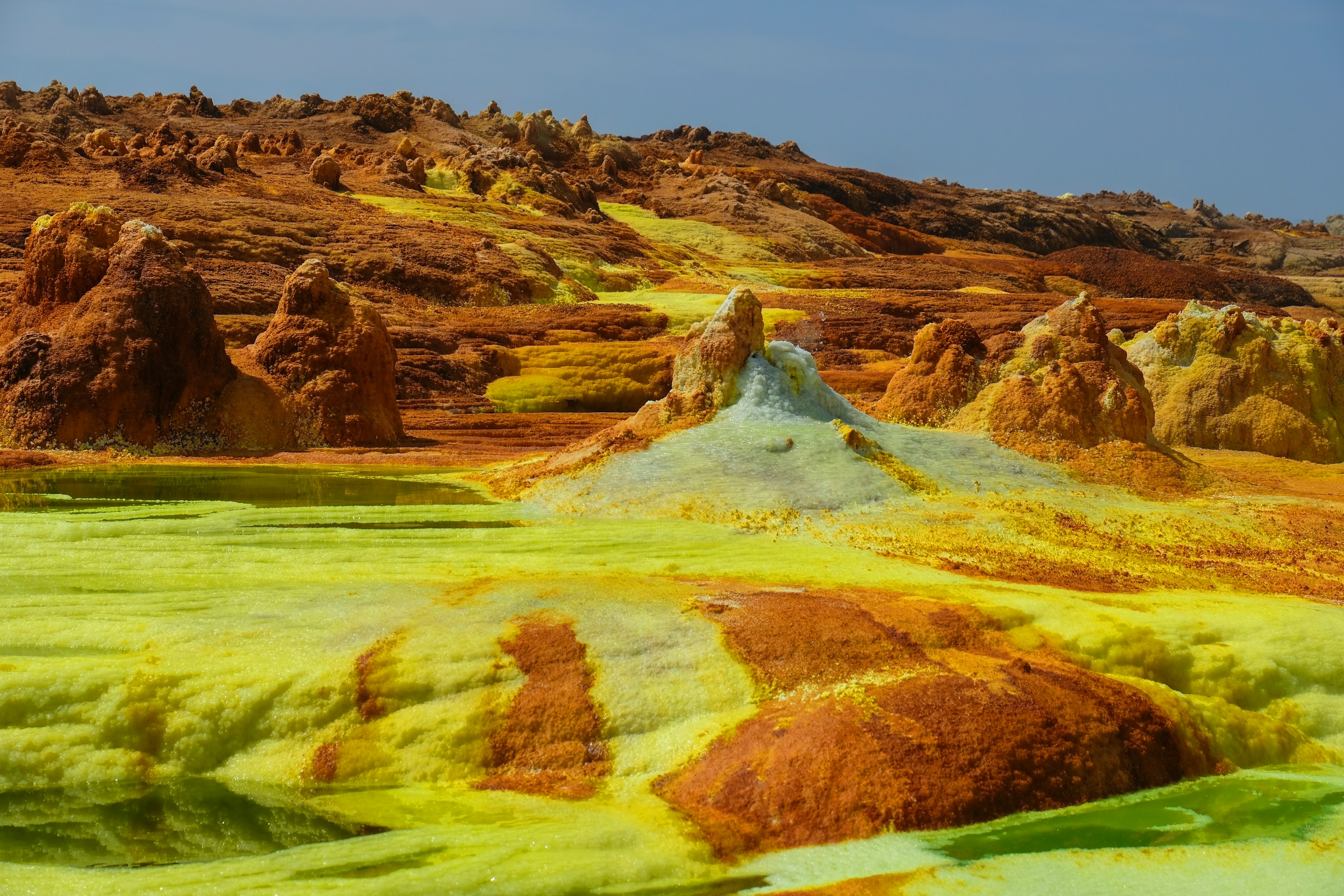
  • Dallol sulfur landscape — one of earth's most extreme environments
  • Armed escort mandatory
  • Attack history documented
  • Current security clearance required before any booking).

Mission

  • Ethiopia has one of Africa's largest NGO
  • Faith-based healthcare
  • And humanitarian mission presences — major programs in HIV
  • Malaria
  • TB
  • Maternal health
  • Water
  • And nutrition
  • Security briefing for specific regions is required for all mission organizations.

Business

  • Addis Ababa is headquarters of the African Union and UNECA — international business presence exists with adequate hotels
  • Level 3 security protocols and secure transport required.
🗒️

Notes

Special Evacuation Notes
Medical evacuation insurance with helicopter rescue capability is MANDATORY. Multiple Level 4 zones mean US government cannot assist travelers in many areas — a self-extraction and communication plan is required before entering any restricted area. Medical evacuation to Nairobi Kenya is the standard for complex cases. Addis Ababa Bole International Airport has adequate international air access for organized evacuation. Altitude medical evacuations from Simien Mountains require coordination with local agencies and are weather-dependent.
Safety Notes
The Level 3 advisory and multiple Level 4 sub-zones mean a substantial portion of Ethiopia is currently inaccessible for US travelers. The safe traveler's Ethiopia is primarily: Addis Ababa; the Rift Valley lake circuit; and carefully vetted historical sites — confirm Gondar; Axum; and Lalibela access given the Amhara Region status before booking. Danakil Depression: documented attack history on tourist groups (2007; 2012; 2017) — armed escort and current security clearance are mandatory; do not travel without a reputable licensed operator and verified security clearance. LGBTQ+ travelers: same-sex relations are criminalized — exercise extreme discretion throughout Ethiopia.
partner recommendation
Medical Evacuation & Assistance
A medical crisis far from home can cost $50,000+ to evacuate. Global Rescue — the partner we personally trust — provides worldwide evacuation and round-the-clock medical assistance.
Get a quote
Good For
Adventure
Mission
Business
Quick Info
  • Capital
    Addis Ababa
  • Language
    Amharic (official); Oromo; Tigrinya; Somali; Afar; over 80 languages; English used in government
  • Currency
    Ethiopian Birr (ETB)
  • State Dept Level
    3
  • Crime Risk
    High
  • Disaster Risk
    Moderate — East African Rift seismic risk; Danakil Depression includes active volcanic features (Erta Ale; Dallol) with sulfuric gas and extreme heat (surface temperatures exceed 50°C); seasonal flooding during rainy season (June-September) cuts road access; chronic drought has driven the 2024-2025 malaria surge; landslides in highland areas
Water Safety
⛔️ Tap Water Not Safe to Drink
Tap water is NOT safe anywhere in Ethiopia including Addis Ababa. Use commercially sealed bottled water throughout. Water purification tablets or SteriPen essential for highland trekking where bottled water access is limited. Do NOT drink from holy water springs or wells — specifically documented as cholera transmission sites in 2025.
Top Hospital
Black Lion Hospital (Tikur Anbessa Specialized Hospital)
Addis Ababa
Ethiopia's largest national teaching and referral hospital; Addis Ababa University. Full emergency; surgery; internal medicine; infectious disease capability. Limited capacity and frequent supply shortages — bring all essential medications with you. Tel: +251-11-551-6011 [VERIFY]. Also: St. Paul's Hospital Millennium Medical College (+251-11-371-8511 [VERIFY]) for expanded capacity and some specialty care.
Emergency Numbers
991
Emergency
907
Ambulance
US EMbassy
+251-11-130-6000 [VERIFY]
https://et.usembassy.gov/
Resources
Primary Sources
Direct lines to the agencies that publish the world's most trusted travel-health guidance.