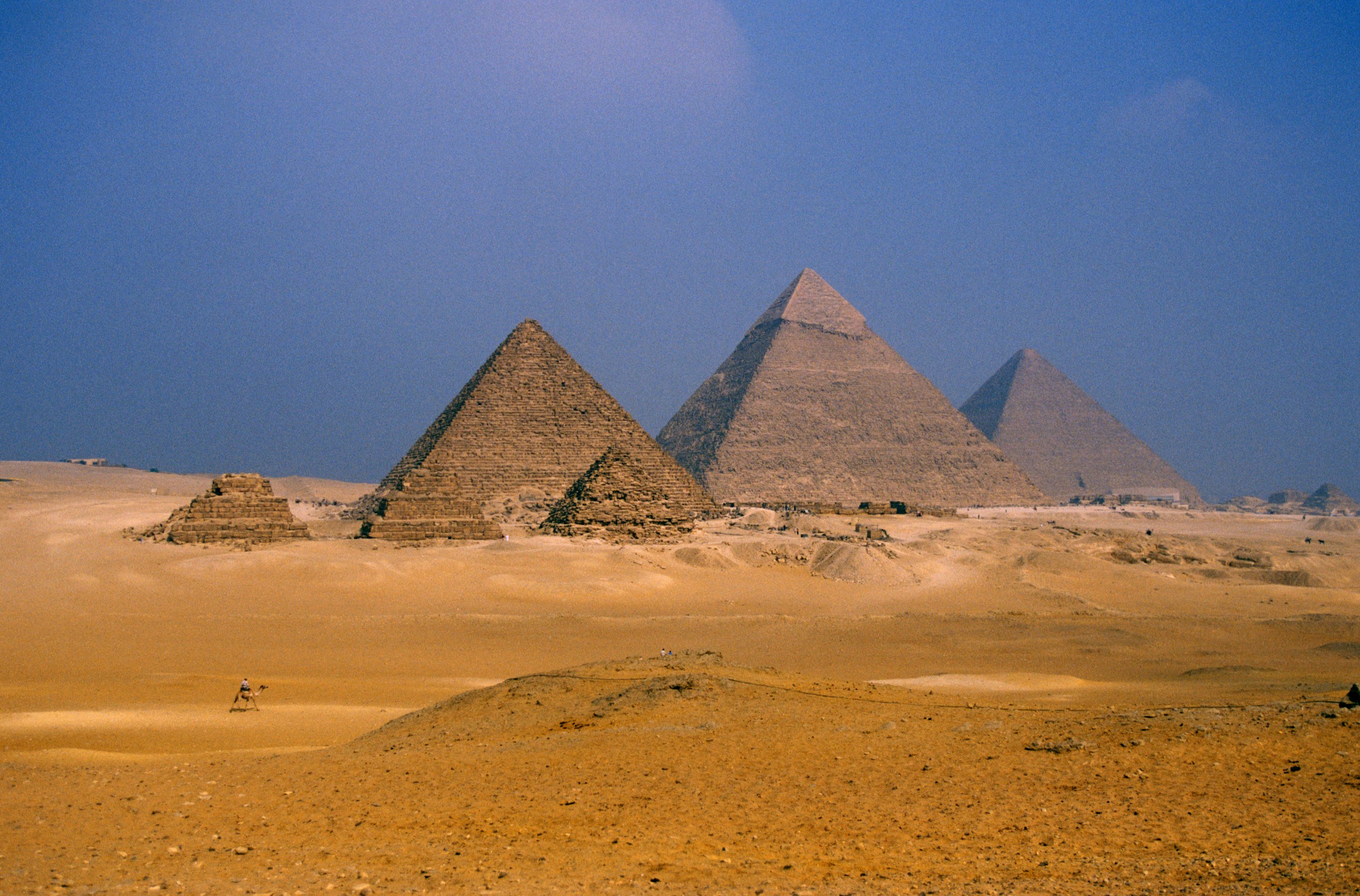
Egypt

Africa
Capital:
Cairo
Currency:
Egyptian Pound (EGP)
Risk:
Moderate
📋

Health Overview

Egypt is the only country in this Middle East batch that has maintained its Level 2 advisory through the US-Iran conflict that began February 28 2026 — the US Embassy Cairo is open and operating normally; Cairo is functioning as one of the most accessible departure hubs in a region where many airports and airspace are disrupted. The clinical pre-travel profile for Egypt is meaningful: typhoid and hepatitis A are high-priority vaccines; polio booster is specifically required (Egypt named on Global Polio THN); rabies from stray dogs and cats is the single most underappreciated risk; and melioidosis from northern Egypt soil and floodwater is a rare but clinically significant hazard to note. No malaria prophylaxis is needed — the last isolated transmission was in Aswan in 2014. The Northern and Middle Sinai Peninsula is a Level 4 Do Not Travel zone where ISIS actively attacks security forces and civilians; this zone is physically separated from all standard tourist itineraries.

Key Health Risks

Moderate
Polio — Circulating Virus
Egypt is specifically named on the Global Polio Travel Health Notice — circulating poliovirus has been detected in Egypt. This is not a theoretical risk based on regional proximity; it is confirmed detection of poliovirus circulating in the country. Before travel to Egypt; confirm polio vaccine status: adults who completed the childhood primary series but have never received an adult booster should receive one dose of inactivated polio vaccine (IPV). Travelers who have never been vaccinated require primary series. This applies to all Egypt itineraries including Cairo; Luxor; Aswan; and resort areas.
High
Rabies from Stray Animals
Egypt has large numbers of stray dogs and cats in urban and tourist areas — this is not a rural-only risk; stray animals are present in central Cairo; near archaeological sites including the Pyramids; and in coastal resort towns. Egypt has endemic rabies. The CDC Yellow Book specifically warns of this risk. Post-exposure prophylaxis (PEP) is available in Cairo but reliability outside major hospitals is uncertain. Pre-exposure vaccination eliminates the requirement for rabies immune globulin during PEP; significantly simplifying post-bite management. Any animal bite in Egypt — regardless of the animal's apparent health — requires immediate wound care and PEP evaluation. Do not approach; touch; or feed stray animals.
Moderate-High
Typhoid and Travelers' Diarrhea
Egypt has significant enteric disease burden from Salmonella typhi; hepatitis A; and travelers' diarrhea pathogens. Typhoid vaccination is a high-priority recommendation for all Egypt travelers. Travelers' diarrhea is common and can ruin a week on the Nile. Azithromycin self-treatment is appropriate; ciprofloxacin resistance is documented. Never drink tap water anywhere in Egypt. The famous 'pharaoh's revenge' is a real clinical phenomenon — pack your azithromycin and ORS.
⛑️

Health Risk Callout

The polio situation in Egypt is the clinical item I emphasize most specifically because it's the most counterintuitive. Egypt is not the country most American clinicians associate with polio — but it's on the Global Polio THN with circulating poliovirus; and adults frequently arrive at my clinic having never received an adult IPV booster. The childhood primary series was received 30-40 years ago and the adult booster recommendation is newer — this is the gap I look for specifically in every Egypt traveler. The rabies conversation for Egypt is different from the standard 'remote jungle rabies' script: the stray dog and cat population at Egyptian tourist sites is genuinely large; these animals are present at the base of the Sphinx; they are present in the Khan el-Khalili market; they are present near Luxor temples. Pre-exposure vaccination is worth discussing for any traveler who might pet a stray animal — and many tourists do.
🏥

Other Health Risks

Melioidosis: Egypt named on CDC travelers' health page as having melioidosis risk in northern Egypt — avoid floodwater and contact with soil or muddy water particularly after heavy rains; bandage any open wounds before outdoor activity in northern Egypt; this risk is low for typical tourists but warrants mention for travelers doing agricultural or outdoor work in the Nile Delta; Drone prohibition: bringing any drone to Egypt is strictly prohibited and violations can result in severe penalties including the death penalty for using a drone to support terrorism — drones of any size will be confiscated and may not be returned; Dual nationality: Egyptian law considers US-Egyptian dual nationals to be solely Egyptian — US Embassy has limited ability to assist if arrested or detained; Social media and demonstrations: US citizens have been arrested for posting social media content critical of Egypt or its allies; and for being in the vicinity of demonstrations without active participation — avoid all demonstrations and do not post political content
🗺

Regional Information

Regional Risk Callout
Egypt's geographic risk profile has always divided sharply between the tourist corridor and the danger zones. Cairo; the Nile Valley (Luxor; Aswan; Nile cruises); the Red Sea resorts (Hurghada; Sharm El-Sheikh); Alexandria; the White and Black Desert; and the Sinai beach resort area (Dahab; St. Catherine area) are all within the tourist corridor with adequate to good security presence. The Northern and Middle Sinai Peninsula is Level 4 Do Not Travel — ISIS attacks security forces and civilians there; the US government has limited ability to provide emergency services in this zone. The Western Desert is accessible only with a professionally licensed tour company. All border areas with Libya; Sudan; and the Sinai are military zones restricted to civilians. Dual US-Egyptian citizens are treated as solely Egyptian by Egyptian authorities — the US Embassy has limited ability to help in cases of dual-national arrest or detention.
Regional Healthcare Callout
Cairo has multiple private hospitals providing adequate to good care for acute medical and surgical conditions — As-Salam International; Dar Al Fouad; and the German Hospital are the primary references for traveling Americans. Kasr Al Ainy (Cairo University) represents the government system with large capacity but inconsistent quality. Outside Cairo; Luxor and Aswan have basic hospital infrastructure adequate for routine acute care but complex cases should be evacuated to Cairo. Red Sea resorts (Hurghada; Sharm El-Sheikh) have resort medical facilities and private clinics. Northern and Middle Sinai: the US government has LIMITED ability to provide emergency services — do not go there. Egypt lacks reliable ambulance systems in most areas; for emergencies; calling a private hospital directly is faster than waiting for an ambulance.
💉

Vaccine and Malaria Prevention

💉 Entry Vaccine Required
Yellow fever: Required for travelers 9 months and older arriving from countries with risk of yellow fever virus transmission. If arriving directly from the US: no yellow fever required. If itinerary includes any yellow fever endemic country before Egypt: proof of yellow fever vaccination required at border.
🛡️ Recommended Vaccines
CDC recommends routine vaccines (MMR; Tdap; influenza; COVID-19 up to date); Hepatitis A (strongly recommended — significant food and waterborne disease burden; one of the highest-priority Hep A destinations in the region); Hepatitis B (recommended for unvaccinated travelers under 60); Typhoid (strongly recommended — significant Salmonella typhi burden; both injectable and oral available); Polio — MANDATORY BOOSTER: Egypt is on the Global Polio THN with circulating poliovirus; travelers should be up to date on polio vaccine; adults who have completed primary series but have not received adult booster should receive one dose of IPV before travel; Rabies (consider for any traveler who may have contact with stray animals — Egypt has large numbers of stray dogs and cats in urban; tourist; and rural areas) Discuss all with your Dr. prior to travel
🦟 Malaria Information

No malaria risk.

None
👨

Physician Note

R
Dr. Robert
Emergency Medicine · 25+ Years · 40+ Countries

Egypt is a destination where the pre-travel consultation has real substance regardless of what's happening politically. The three clinical items I always cover: polio booster; rabies; and typhoid. The polio situation is the one that most often surprises patients — Egypt is on the Global Polio THN with circulating poliovirus; and it's easy for patients to assume that a country famous for world-class archaeology and major tourism infrastructure has moved past the polio era.

The adult booster question is specifically what I look for: primary childhood series is common; adult booster is often missing. The rabies conversation is different in Egypt than anywhere else in my caseload because it's an urban risk; not just a rural one. The Pyramids at Giza have stray dogs in the complex.

Luxor Temple has cats. The standard reassurance that 'you'll only encounter rabies if you're hiking in remote jungle' doesn't apply here. I counsel every Egypt traveler specifically: do not touch; feed; or approach stray animals regardless of how friendly they appear; and pre-exposure vaccination is worth seriously considering.

The political situation — Egypt at Level 2 with a functioning Embassy while neighboring countries are at Level 3 and Level 4 — actually makes this a moment when Egypt stands out as relatively stable by regional standards.

Pre-Departure Checklist

8+ Weeks

  • CDC recommends polio booster if not previously received as adult — Egypt is on Global Polio THN with circulating poliovirus
  • Rabies pre-exposure vaccination (strongly consider for all Egypt travelers given large stray dog and cat population at tourist sites — eliminates immune globulin requirement for post-exposure management)
  • Typhoid (high priority — both injectable ViCPS and oral Ty21a effective
  • Allow time for 4-dose oral course)
  • Hepatitis A immunity confirmation
  • Hepatitis B if unvaccinated
  • No drones — do not pack any drone of any size.

2–4 Weeks

  • Register with STEP
  • Azithromycin travelers' diarrhea self-treatment kit
  • ORS packets
  • DEET 20%+ for outdoor activities
  • Confirm yellow fever vaccination status if itinerary includes any sub-Saharan African country before Egypt
  • Verify comprehensive travel insurance with medical evacuation
  • Bandage any open wounds before soil or floodwater contact in northern Egypt (melioidosis).

Day Of

  • US Embassy Cairo +20-2-2797-3300 (OPEN and operating normally)
  • As-Salam Hospital +20-2-303-0502
  • Emergency 122
  • Ambulance 123 (unreliable — hospital direct contact preferred)
  • Carry bottled water at all times
  • Do NOT approach Northern or Middle Sinai
  • Do NOT bring any drone. Discuss all with your Dr. prior to travel
✈️

Trip Type Guidance

Adventure

  • Nile River cruise (Luxor to Aswan)
  • White and Black Desert expedition (with licensed tour company — Bahariya Oasis
  • Farafra)
  • Sinai coast diving and snorkeling (Dahab
  • Sharm El-Sheikh — southern Sinai is accessible and safe
  • Do NOT approach Northern or Middle Sinai under any circumstances)
  • Camel trekking and desert camping with licensed operators — DEET required
  • Rabies pre-exposure recommended for desert contact with animals.

Family

  • Cairo and Nile cruises are outstanding family destinations with excellent hotel infrastructure
  • Excellent private pediatric hospitals in Cairo
  • Historical and cultural education unparalleled anywhere
  • As-Salam Hospital provides capable pediatric emergency care.

Beach

  • Hurghada and Sharm El-Sheikh Red Sea resorts are Egypt's primary beach destinations — world-class coral reefs
  • Calm warm water year-round
  • Excellent snorkeling and diving
  • Standard Red Sea precautions (jellyfish
  • Stonefish)
  • Bottled water mandatory.

Mission

  • Egypt has significant Coptic Christian community
  • Active international NGO presence
  • Humanitarian organizations with long-established operational presence
  • Medical mission organizations active in underserved communities — comprehensive health preparation and MERS-CoV awareness required.

Business

  • Cairo is a major North African and Middle Eastern business hub
  • US Embassy is open and operating
  • Private hospital access is adequate for business travel
  • Standard anti-corruption and business practice awareness required.
🗒️

Notes

Special Evacuation Notes
US Embassy Cairo is OPEN and operating normally — confirmed by Embassy security alert March 3 2026 specifically stating the advisory remains unchanged at Level 2. Cairo is currently one of the most functional departure hubs in the Middle East with commercial flights operating. The Embassy switchboard +20-2-2797-3300 is available 24/7 for emergencies. Medical evacuation from Cairo to Europe (Cyprus; London; Frankfurt) is feasible via commercial air ambulance services. Ambulance reliability in Egypt is poor — contact hospitals directly for emergencies rather than relying on the emergency number alone in most areas.
Safety Notes
DO NOT TRAVEL to Northern or Middle Sinai Peninsula — Level 4 active ISIS activity with limited US government emergency response capability. DO NOT travel to Western Desert except with licensed tour company. DO NOT travel to Egyptian border military zones. Egypt is OPEN for tourism in Cairo; the Nile corridor; and Red Sea resorts — Cairo's US Embassy is functioning normally. Avoid all demonstrations; be aware that proximity to any protest — even passive — has resulted in arrest of US citizens in Egypt. Do not post social media critical of Egypt or its allies. Do not bring any drone of any size. Dual US-Egyptian citizens: be aware that Egyptian law treats you as Egyptian — US Embassy assistance in arrest or detention situations is limited. Carry copies of passport and visa at all times. All travelers to Egypt: polio booster is now specifically required given circulating poliovirus status.
partner recommendation
Medical Evacuation & Assistance
A medical crisis far from home can cost $50,000+ to evacuate. Global Rescue — the partner we personally trust — provides worldwide evacuation and round-the-clock medical assistance.
Get a quote
Good For
Adventure
Family
Beach
Mission
Business
Quick Info
  • Capital
    Cairo
  • Language
    Arabic; English widely spoken at tourist sites
  • Currency
    Egyptian Pound (EGP)
  • State Dept Level
    2
  • Crime Risk
    Moderate (Cairo: crimes of opportunity including purse snatching; pickpocketing; scams; overcharging at tourist sites; aggressive vendors at temples and archaeological sites; tourist police are present at major sites; harassment of women including foreign women is documented and reported — solo female travelers should be specifically counseled; internet romance and financial scams are common)
  • Disaster Risk
    Moderate to High — Egypt faces periodic flooding and sandstorm events; earthquake risk in Gulf of Suez corridor; current regional US-Iran conflict creates indirect threat from regional instability; Northern Sinai ISIS activity is ongoing (Level 4); Red Sea coast has no significant natural disaster risk beyond flash flooding
Water Safety
⛔️ Tap Water Not Safe to Drink
Tap water is not safe for drinking anywhere in Egypt including Cairo; Luxor; Aswan; Hurghada; Sharm El-Sheikh; and Alexandria. This is a universal and non-negotiable rule for Egypt. Use commercially sealed bottled water for all drinking; ice; and teeth brushing throughout the country.
Top Hospital
As-Salam International Hospital
Cairo
One of Cairo's leading private hospitals with English-speaking staff; international patient services; and 24/7 emergency care. Tel: +20-2-303-0502. Also recommended: Dar Al Fouad Hospital (international standard; excellent for cardiac and general surgery; Tel: +20-2-3827-1000); Cairo University Hospitals — Kasr Al Ainy (largest government academic medical center; massive capacity; good for complex cases; English-speaking faculty; Tel: +20-2-2365-7000).
Emergency Numbers
122
Emergency
123
Ambulance
US EMbassy
'+(20) 2-2797-3300. US Embassy Cairo is OPEN and operating normally per March 3 2026 security alert.
https://eg.usembassy.gov/
Resources
Primary Sources
Direct lines to the agencies that publish the world's most trusted travel-health guidance.