Denmark

Europe
Capital:
Copenhagen
Currency:
Danish Krone (DKK — Denmark is an EU member but has NOT adopted the Euro; Faroe Islands use the Faroese Króna pegged to DKK)
Risk:
Low-Moderate
📋

Health Overview

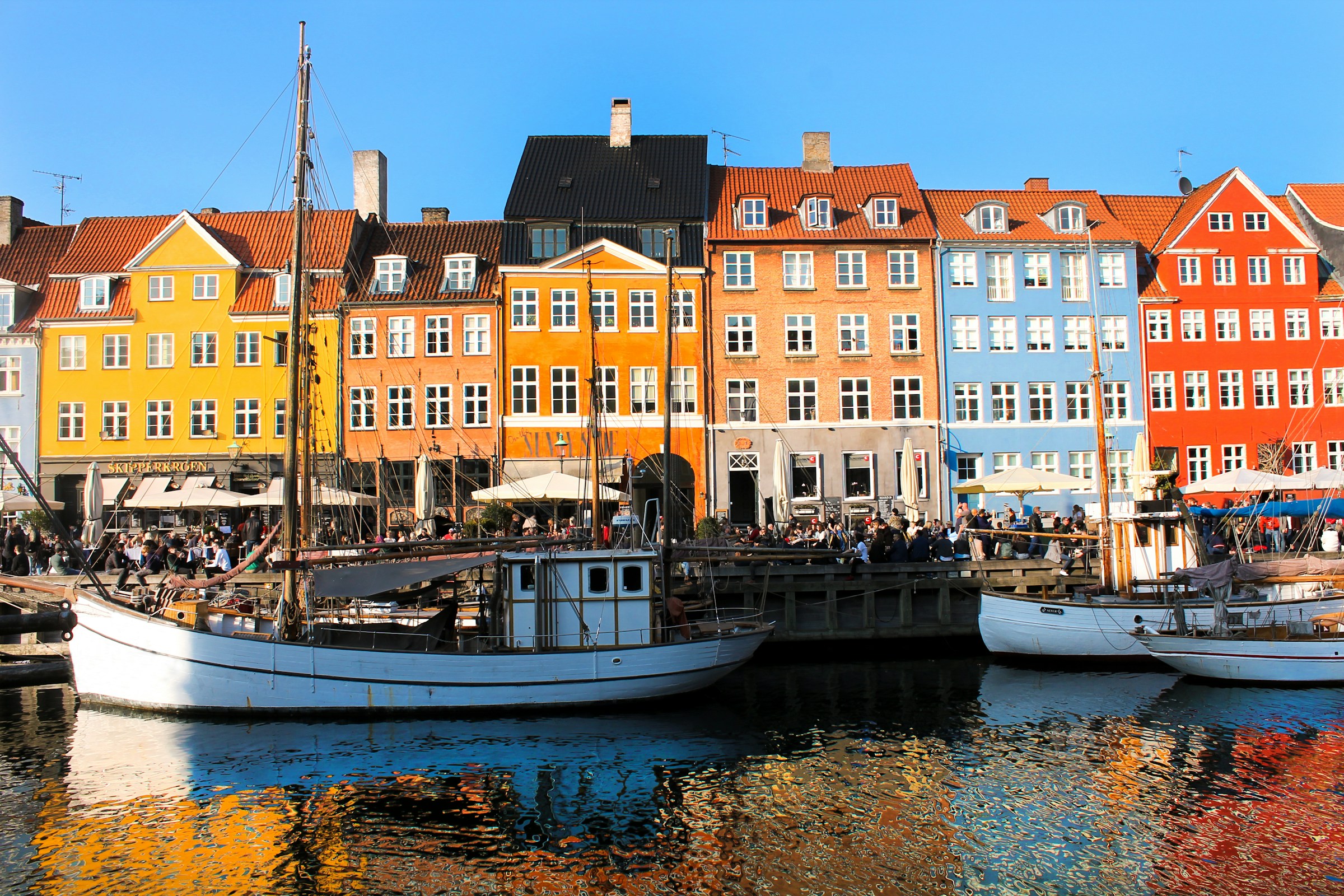
Denmark — Copenhagen's world-class design culture; Nyhavn's colored harbor houses; world-class dining (New Nordic cuisine; multiple three-Michelin-star restaurants); Hamlet's Elsinore; Legoland Billund; and the hygge philosophy of comfortable living — carries a Level 2 terrorism advisory (same reasoning as Sweden) due to ongoing terrorist plotting. The health profile is otherwise clean: no malaria; no yellow fever; tap water among Europe's finest; world-class healthcare. TBE is endemic in Danish forested and coastal areas (particularly Bornholm island and Jutland forested areas) and warrants TICOVAC discussion for outdoor travelers. Copenhagen is one of the world's most livable and cyclable cities — a spectacular and safe destination for most travelers. The Kingdom of Denmark includes Denmark proper; the Faroe Islands; and Greenland — each with distinct entry requirements and health considerations.

Key Health Risks

Low-Moderate
Terrorism — Level 2 Advisory
Denmark's Level 2 terrorism designation reflects the same ongoing European terrorism threat assessment as Sweden. Terrorist groups continue to plan attacks; the most documented threat context for Denmark relates to incidents connected with the Jyllands-Posten Muhammad cartoon controversy (2005) which has generated intermittent threats for nearly two decades. The 2022 Copenhagen Fields shopping center mass shooting (killed 3; injured 4) and gang violence in specific Copenhagen neighborhoods are the documented security incidents. Practical guidance: situational awareness in crowded public spaces (Strøget pedestrian street; Nørreport Station; Copenhagen Central Station; major shopping centers; Tivoli Gardens); know emergency exit routes; follow police instructions immediately during any incident; monitor Danish police (Politiet) on social media for security alerts. Contact US Embassy Copenhagen +45-3341-7100.
Low
Tick-Borne Encephalitis
Denmark is named in the CDC Yellow Book and on TICOVAC's endemic country list. Danish TBE incidence is substantially lower than Central European countries but is documented and increasing with climate-driven northward range expansion of Ixodes ricinus ticks. Endemic foci include Gribskov forest (northern Zealand); parts of Jutland forests; and Bornholm island. Risk is essentially absent in Copenhagen urban areas. TICOVAC discussion is appropriate for travelers planning significant outdoor forested activities or Bornholm cycling/hiking itineraries April through November. For purely urban Copenhagen itinerary; TBE risk is negligible. Be sure to consult your Dr. prior to travel to discuss.
Low-Moderate
Bicycle Safety
Copenhagen is the world's most cycling-intensive city — approximately 26;000 bicycles cross the Dronning Louises Bridge daily in summer; 62% of Copenhageners commute by bike year-round. Cycling infrastructure is excellent but tourists unfamiliar with Denmark's cyclist culture face specific risks: cycling on the right side is mandatory; bicycle lanes are separated from traffic but busy and fast; pedestrians accidentally stepping into bike lanes risk collision; bike theft in Copenhagen is extremely common (lock rental bikes; use multiple locks). Clinical relevance: cycling accidents are a documented cause of injury in Copenhagen tourists; helmet is not legally required in Denmark but strongly recommended clinically especially for travelers unfamiliar with cycling in dense urban environments.
⛑️

Health Risk Callout

The terrorism context for Denmark has a specific and documented history — the Jyllands-Posten cartoon affair created threats that have recurred for nearly 20 years; Denmark has been a specific target rather than just generally at elevated risk as part of a broad European designation. I mention this to patients not to alarm them but to explain WHY the Level 2 exists and what specific venues and crowds require awareness. Beyond the terrorism context; Denmark is essentially a routine European consultation. TBE for Bornholm cycling is the outdoor travel medicine conversation — Bornholm specifically is worth naming because it is Denmark's most popular outdoor cycling destination and it sits in the Baltic Sea where TBE foci are documented.
🏥

Other Health Risks

Faroe Islands specific hazards (if itinerary includes Faroe Islands — spectacular but extreme; North Atlantic maritime weather changes with extreme rapidity; hiking in remote coastal terrain requires full waterproof gear; emergency services are limited in remote areas; Viking boat tours can be dangerous in poor sea conditions; Faroese weather forecasts at yr.no); Greenland hazards (polar bear risk outside settlements; emergency services may take days to reach remote areas; Level 2 advisory for Greenland specifically; comprehensive evacuation insurance essential for any Greenland itinerary); cycling accident risk in Copenhagen (helmet strongly recommended for tourist cyclists)
🗺

Regional Information

Regional Risk Callout
Denmark's health risk profile is uniform and minimal across the main tourist circuit. Copenhagen (capital): essentially no TBE risk in the urban environment; world-class hospitals and healthcare; safe food and water; petty crime in tourist areas. Zealand (main island with Copenhagen): Gribskov and other forests have documented TBE foci — outdoor activities in dense forested areas carry some TBE risk April-November. Jutland (mainland Denmark): some TBE endemic areas in forested regions; rural and outdoor Jutland activities carry tick exposure. Bornholm island (Baltic Sea): TBE documented; cycling and hiking on Bornholm — one of Denmark's most popular outdoor destinations — requires TBE awareness. Faroe Islands (self-governing; part of Kingdom of Denmark; NOT in Schengen): spectacular remote archipelago; essentially no infectious disease risk; extreme weather and sea conditions are the primary hazards; separate entry requirements from Schengen Denmark. Greenland (autonomous territory of Denmark; NOT in Schengen; Level 2 for environmental hazards per separate advisory): extreme Arctic environment; polar bear risk; extremely limited emergency services.
Regional Healthcare Callout
Healthcare in Denmark is excellent by any global standard — among the world's best healthcare systems consistently. Copenhagen and major Danish cities have full-spectrum medical capability. Faroe Islands: Landspítalinn hospital in Tórshavn provides adequate acute care; helicopter evacuation to Denmark for complex cases. Greenland: Dronning Ingrid's Hospital (Nuuk) provides primary acute care; evacuations to Copenhagen for complex emergencies. For any emergency: 112 (unified European emergency number); US Embassy Copenhagen +45-3341-7100.
💉

Vaccine and Malaria Prevention

💉 Entry Vaccine Required
None — Denmark has no entry vaccine requirements for US travelers.
🛡️ Recommended Vaccines
CDC recommends routine vaccines up to date (MMR; Tdap; influenza; COVID-19); Tick-borne encephalitis vaccine (TICOVAC — consider for travelers planning forested outdoor activities; cycling; or rural hiking in Jutland forests; Gribskov (Zealand); or Bornholm island; April through November; 3-dose primary series or accelerated adult schedule; risk is low for Copenhagen city tourism only) Be sure to consult your Dr. prior to travel to discuss.
🦟 Malaria Information

No malaria risk.

Low
👨

Physician Note

R
Dr. Robert
Emergency Medicine · 25+ Years · 40+ Countries

Denmark is a straightforward pre-travel consultation distinguished primarily by the Level 2 terrorism designation and its specific documented history. I explain the cartoon controversy-related threat history to patients — not to alarm them but because understanding why a specific country is at Level 2 helps them contextualize the practical precautions: awareness near Jyllands-Posten offices; specific heightened vigilance during Muslim holidays when threat-related incidents have historically been more common. The cycling accident point is worth 30 seconds for any Copenhagen itinerary — the bike lanes are fast; busy; and unforgiving for tourists unfamiliar with cycling culture; a helmet is not legally required but is clinically obvious.

TBE for Bornholm cycling is the outdoor travel medicine conversation — Bornholm is the most TBE-relevant Danish destination and its popularity as a cycling destination makes it worth naming specifically.

Pre-Departure Checklist

8+ Weeks

  • Be sure to consult your Dr. prior to travel to discuss.
  • TBE vaccine (TICOVAC)
  • 3-dose primary series or accelerated adult schedule
  • NOT clinically indicated for Copenhagen city tourism only
  • Routine vaccine review (MMR
  • Tdap
  • Influenza
  • COVID-19)
  • Faroe Islands or Greenland itinerary: specific environmental preparation (full waterproof gear
  • Hiking boots
  • Navigation tools
  • Emergency communicator).

2–4 Weeks

  • Register with STEP
  • Travel insurance (Faroe Islands or Greenland itinerary: air medical evacuation coverage essential)
  • DEET 20%+ and permethrin for forested outdoor activities on Bornholm or Jutland
  • Cycling helmet if Copenhagen cycling itinerary
  • Terrorism awareness briefing (Level 2 — situational awareness in crowded spaces
  • Know emergency exits
  • Monitor politiet.dk and US Embassy security alerts).

Day Of

  • US Embassy Copenhagen +45-3341-7100
  • Emergency 112
  • Bolt or licensed taxi app (cycling accident
  • Rapid response 112)
  • Helmet before any Copenhagen cycling
  • Monitor yr.no before Faroe Islands outdoor activities
  • DKK currency (Denmark NOT in Eurozone).
✈️

Trip Type Guidance

Adventure

  • Bornholm island cycling (Denmark's cycling paradise in the Baltic Sea
  • Dramatic cliffs
  • Sea views
  • Medieval round churches
  • TBE TICOVAC vaccine specifically recommended for Bornholm forested cycling April-November
  • Excellent cycling infrastructure
  • Helmet strongly recommended
  • 7 days of cycling is the standard circuit). Faroe Islands hiking (one of Europe's most dramatic and accessible remote landscapes
  • All-weather outdoor gear essential
  • Yr.no weather forecast monitoring mandatory before any hiking
  • Emergency GPS communicator recommended for remote trails
  • No TBE risk at Faroese latitudes). Sea kayaking Oresund (Copenhagen to Malmö — Baltic sea kayaking
  • Life jacket mandatory
  • Cold water awareness).

Family

  • Denmark is outstanding for family travel — Legoland Billund (original LEGO factory
  • Entire park built from LEGO bricks
  • Requires 1.5-2 days)
  • Copenhagen Design Museum
  • Tivoli Gardens (world's second-oldest amusement park
  • Magical especially in summer and during Christmas)
  • Viking Ship Museum in Roskilde
  • Excellent child-friendly café culture and public parks.

Business

  • Copenhagen is Scandinavia's finance and pharma hub — Novo Nordisk
  • Maersk
  • Ørsted
  • And dozens of major multinationals headquartered here
  • Excellent English-speaking business infrastructure
  • Efficient airport with direct US connections.
🗒️

Notes

Special Evacuation Notes
Medical evacuation from Denmark to the US is logistically straightforward via Copenhagen Airport (CPH) — direct transatlantic connections. Within Denmark; emergency services are excellent. Faroe Islands: helicopter evacuation to Denmark available. Greenland: air evacuation to Copenhagen; travel insurance with air medical evacuation is essential for any Greenland itinerary.
Safety Notes
Denmark is a safe travel destination for tourists overall. The Level 2 terrorism designation requires context rather than alarm — the documented terrorism history is specific (cartoon controversy-related) and the 2022 Fields shooting was the only major incident in recent years. Practical guidance: situational awareness in Strøget; Nørreport area; Tivoli Gardens (particularly during large events); and Copenhagen Central Station. Gang violence hot zones — Nørrebro specific parts; Mjølnerparken housing estate area — are not on the tourist circuit and are easily avoided. Petty crime: pickpocketing on the Copenhagen metro and at tourist attractions; money belt or anti-theft bag recommended. Cycling: helmet strongly recommended; respect bike lanes (fast and busy); Copenhageners cycle aggressively and do not yield to confused tourists. Faroe Islands safety: follow weather forecasts on yr.no; never approach cliff edges in wind or fog; many Faroese hiking paths have sheer coastal drop-offs with no railings. Greenland: never leave Nuuk or major settlement without guide or polar bear protection arrangements.
partner recommendation
Medical Evacuation & Assistance
A medical crisis far from home can cost $50,000+ to evacuate. Global Rescue — the partner we personally trust — provides worldwide evacuation and round-the-clock medical assistance.
Get a quote
Good For
Adventure
Business
Quick Info
  • Capital
    Copenhagen
  • Language
    Danish (Dansk)
  • Currency
    Danish Krone (DKK — Denmark is an EU member but has NOT adopted the Euro; Faroe Islands use the Faroese Króna pegged to DKK)
  • State Dept Level
    2
  • Crime Risk
    Low-Moderate (terrorism advisory; gang violence in specific Copenhagen neighborhoods; petty crime in tourist areas)
  • Disaster Risk
    Low-Moderate — Denmark is not in a high-risk seismic or volcanic zone; flooding risk from storm surge in coastal areas (Denmark is largely flat and low-lying); severe Baltic and North Sea storms; occasional severe flooding events. Greenland: avalanche; extreme weather; permafrost and sea ice hazards.
Water Safety
✅ Tap Water Safe
Tap water is safe throughout Denmark — Copenhagen; Aarhus; Odense; Aalborg; and all cities and towns — and is consistently rated among Europe's finest. Danish tap water meets the EU's highest drinking water standards. Faroe Islands: tap water safe. Greenland: tap water safe in Nuuk and major settlements; remote areas use melted ice or streams — purify if uncertain.
Top Hospital
Rigshospitalet (Copenhagen University Hospital — Rigshospitalet)
Copenhagen
Denmark's national hospital and one of Scandinavia's premier academic medical centers — full emergency; trauma; neurology; oncology; cardiology; transplantation; and complex surgical capability. Rigshospitalet is affiliated with the University of Copenhagen. Excellent English-speaking staff throughout. Also outstanding: Bispebjerg and Frederiksberg Hospital (Copenhagen general); Odense University Hospital (for Jutland travelers).
Emergency Numbers
112 (police; fire; ambulance — all through 112)
Emergency
112 (ask for ambulance)
Ambulance
US EMbassy
+45-3341-7100
https://dk.usembassy.gov/
Resources
Primary Sources
Direct lines to the agencies that publish the world's most trusted travel-health guidance.