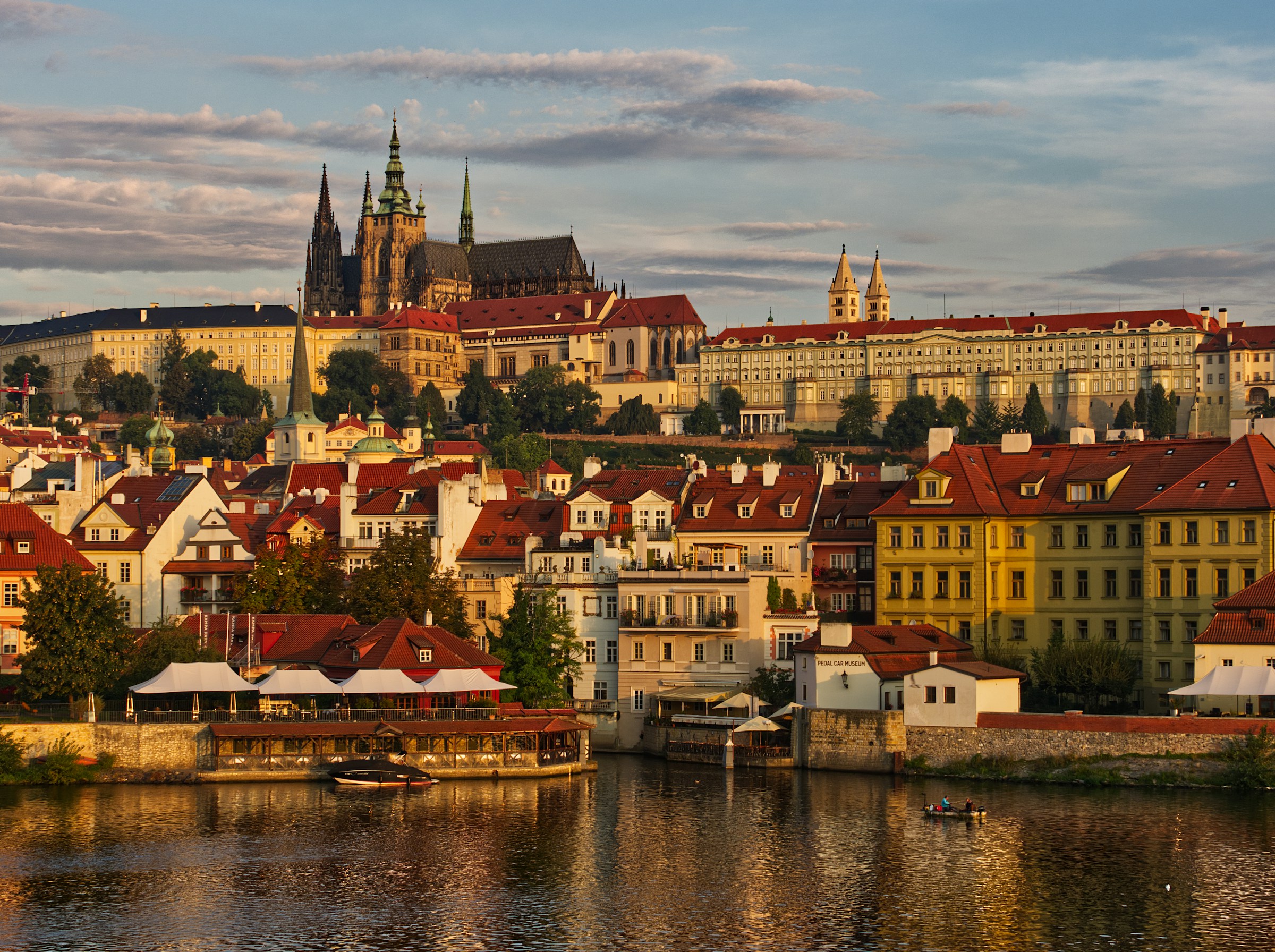
Czech Republic

Europe
Capital:
Prague
Currency:
Czech Koruna (CZK — Czech Republic has NOT adopted the Euro and uses its own currency)
Risk:
Low
📋

Health Overview

The Czech Republic — Prague's Baroque architecture; the Bohemian countryside; Český Krumlov; the Moravian wine region; and world-class craft beer culture — is one of Europe's most rewarding and accessible destinations. The pre-travel consultation is genuinely brief: no malaria; no yellow fever; safe tap water; excellent EU-standard healthcare. The single substantive clinical discussion is tick-borne encephalitis (TBE) — the Czech Republic has one of the highest TBE incidence rates in Europe; TICOVAC (FDA-approved 2021; 3-dose series) is strongly recommended for any traveler planning outdoor activities in forested areas. Bohemia and Moravia's rolling forests and hiking trails have documented TBE activity particularly April-November. Prague's historic districts carry essentially no TBE risk; the conversation is specifically for hikers; cyclists; campers; and rural travelers. Be sure to consult your Dr. prior to travel to discuss.

Key Health Risks

Moderate-High
Tick-Borne Encephalitis — HIGH Endemic Country
The Czech Republic is specifically named in the CDC Yellow Book as one of the highest TBE disease incidence countries in Europe alongside Slovenia and the Baltic states. Czech TBE surveillance data: hundreds of confirmed cases annually with 10-30% of symptomatic cases progressing to the neurological (encephalitic) phase. Risk is present throughout Bohemia and Moravia in forested areas April through November peaking in May-June and September-October when Ixodes ricinus ticks are most active. The TICOVAC vaccine (Pfizer; FDA-approved in the US in 2021; available as a US prescription) is the standard-of-care recommendation for Czech Republic outdoor travelers. The 3-dose primary series is optimal but the accelerated adult schedule (doses 1 and 2 at 14-day interval) makes pre-travel vaccination feasible for patients with limited time. No antiviral treatment exists for TBE — prevention is the only option. Note: TBE is also transmissible by ingesting unpasteurized milk or dairy products (goat milk; sheep milk; cow milk) from infected animals — avoid unpasteurized dairy products in rural Czech Republic. Be sure to consult your Dr. prior to travel to discuss.
Moderate
Lyme Disease
Lyme borreliosis is endemic throughout Czech Republic's forested areas — same Ixodes ricinus tick vector as TBE; active April-November. Czech Lyme disease is caused primarily by Borrelia afzelii (European species; distinct from North American B. burgdorferi) which most commonly manifests as erythema migrans early and Lyme acrodermatitis chronica atrophicans (ACA) in late stage. B. garinii causes neurological Lyme (Lyme neuroborreliosis) more commonly in Europe than North America. Prevention identical to TBE: DEET 20%+ on exposed skin; permethrin-treated clothing; daily full-body tick checks. A single attached tick removed within 24-36 hours carries very low transmission risk. Post-bite prophylactic doxycycline (200mg single dose within 72 hours of removal) can be discussed for high-risk exposures in endemic areas. Be sure to consult your Dr. prior to travel to discuss.
Low
Petty Crime and Urban Safety
Prague's Old Town and tourist areas experience standard European-level petty crime — pickpocketing and bag snatching in crowded areas (Old Town Square; Charles Bridge; tram lines; public transport). Prague specifically has documented organized pickpocket groups targeting tourists on tram lines 22 and 23. Basic precautions: money belt or anti-theft backpack; smartphone GPS rather than printed maps; situational awareness in crowded areas. No violent crime pattern targeting US tourists in Czech Republic.
⛑️

Health Risk Callout

TBE is the clinical story for Czech Republic outdoor travelers and the good news is that we now have FDA-approved TICOVAC available in the US. I give this conversation to every Czech Republic patient planning outdoor activities — particularly because many providers and patients still have outdated information about TBE vaccine availability in the US. Before 2021; it was true that TBE vaccine was not FDA-approved for US citizens; today TICOVAC is a standard prescription recommendation for Central European hikers. Czech Republic is specifically named as a high-incidence country; this is not a borderline recommendation. The unpasteurized dairy transmission route is worth a brief mention for any traveler doing rural agritourism or purchasing from village markets. Be sure to consult your Dr. prior to travel to discuss.
🏥

Other Health Risks

Driving precautions: International Driving Permit (IDP) required in Czech Republic; road conditions generally good but cobblestone surfaces in historic city centers can be hazardous especially in wet or icy conditions; winter tires required under certain weather conditions; streetcar (tram) awareness in Prague — trams have right of way; crossing tram tracks on foot requires care; Alcohol: Czech Republic has a zero-tolerance drunk driving law (0.0‰ BAC); Prague's beer culture is world-famous but driving after any alcohol consumption is illegal and enforced; Satellite phones: illegal in Czech Republic
🗺

Regional Information

Regional Risk Callout
The Czech Republic's health risk profile divides cleanly between urban Prague and the rural/forested countryside. Prague (capital; approximately 1.3 million population): TBE risk is essentially absent in the city center; Lyme disease risk very low in urban parks; food and water safe; excellent hospital infrastructure. Bohemian countryside — Český Krumlov area; Šumava National Park (Bohemian Forest); Bohemian Switzerland National Park: TBE risk is present and documented April-November; TICOVAC discussion is indicated for any outdoor/hiking itinerary in these areas. Moravia — wine country; Pálava hills; Beskydy mountains: TBE endemic in forested areas. The CDC Yellow Book specifically names Czech Republic alongside Slovenia and the Baltic states as having the highest TBE disease incidence in Europe. Academic data: Czech Republic reported approximately 500-900 TBE cases annually in pre-vaccination era; remains one of the highest-burden countries in Europe. Be sure to consult your Dr. prior to travel to discuss.
Regional Healthcare Callout
Healthcare throughout Czech Republic is excellent by EU standards. Prague and Brno have world-class academic medical centers with full emergency and specialty capability. Regional hospitals throughout Bohemia and Moravia are generally good quality. EU emergency care is available to all; US travelers use private travel insurance for billing support. Emergency numbers: 112 (EU unified); 155 (ambulance); 158 (police). Medical evacuation from Prague to any EU destination is logistically straightforward given Prague's major international airport.
💉

Vaccine and Malaria Prevention

💉 Entry Vaccine Required
None — Czech Republic has no entry vaccine requirements for US travelers.
🛡️ Recommended Vaccines
CDC recommends Routine vaccines up to date (MMR; Tdap; influenza; COVID-19); Tick-borne encephalitis vaccine (TICOVAC — strongly recommended for any traveler planning hiking; cycling; camping; or rural outdoor activities in Bohemian or Moravian forested areas April through November; Czech Republic has one of the highest TBE incidence rates in Europe; 3-dose primary series or accelerated adult schedule); Hepatitis A (generally not indicated for standard tourist itineraries in Czech Republic — EU food safety standards apply throughout) Be sure to consult your Dr. prior to travel to discuss.
🦟 Malaria Information

No malaria risk.

Moderate
👨

Physician Note

R
Dr. Robert
Emergency Medicine · 25+ Years · 40+ Countries

The Czech Republic generates the most clinically impactful TBE conversation of any country. The key data point worth memorizing: Czech Republic is specifically named alongside Slovenia and the Baltic states as having the highest TBE incidence in Europe. This is not a borderline recommendation for outdoor travelers — it is a clear indication for TICOVAC.

The good news is that since 2021 we can actually prescribe it in the US. I lead with that update in the pre-travel consultation because many patients have Googled 'TBE vaccine USA' and found older sources saying it was unavailable. TICOVAC is available now; it takes 8+ weeks to complete the primary series optimally; and Czech Republic's incidence data make it clearly worth the effort for anyone planning forested hiking.

For a purely Prague Old Town and café itinerary; the TBE risk is essentially absent and I don't push the vaccine for urban-only travelers. The unpasteurized dairy point is a useful 30-second addition for any traveler planning rural agritourism or visits to traditional Czech village markets. Be sure to consult your Dr.

prior to travel to discuss.

Pre-Departure Checklist

8+ Weeks

  • CDC recommends TBE vaccine (TICOVAC) — routine vaccine review (MMR
  • Tdap
  • Influenza
  • COVID-19).

2–4 Weeks

  • Register with STEP
  • Travel insurance for billing support
  • IDP (International Driving Permit) from AAA if planning to drive
  • DEET 20%+ and permethrin-treated clothing for rural/forested itineraries (TBE and Lyme prevention)
  • Daily tick check protocol
  • Avoid unpasteurized dairy products in rural Czech Republic (TBE transmission risk).

Day Of

  • US Embassy Prague +420-257-022-000
  • Emergency 112
  • Ambulance 155
  • Police 158
  • Zero-tolerance drunk driving — never drink and drive
  • Licensed taxis or Bolt/Uber app only in Prague
  • CZK cash for smaller vendors and traditional markets (cards not always accepted outside Prague city center). Be sure to consult your Dr. prior to travel to discuss.
✈️

Trip Type Guidance

Adventure

  • Bohemian Switzerland National Park hiking (sandstone rock formations
  • Pravcicka Gate — Europe's largest natural sandstone arch
  • TBE TICOVAC vaccine strongly recommended for forest hiking April-November
  • DEET and daily tick checks
  • No malaria
  • Excellent trail marking and search-and-rescue infrastructure). Cycling Moravia (wine country cycling routes
  • TBE vaccine for rural cycling
  • Exceptional road infrastructure
  • May-October optimal season).

Family

  • Czech Republic is outstanding for family travel — Prague's Old Town with trams
  • The Prague Zoo (consistently ranked among Europe's best)
  • Pilsner Urquell Brewery tour in Plzeň (adults)
  • Czech crystal shopping
  • Kutná Hora's Bone Church (fascinating but discuss age-appropriateness for children under 8). No TBE vaccine needed for a purely Prague city itinerary — only for forested outdoor activities.

Business

  • Prague is Central Europe's financial and startup hub — excellent infrastructure
  • English-speaking business environment
  • Direct US flight connections
  • World-class hotels and conference facilities.
🗒️

Notes

Special Evacuation Notes
Medical evacuation from Czech Republic is logistically straightforward — Václav Havel Airport Prague has direct connections to major European and US cities. No unusual evacuation complexity. Travel insurance is recommended primarily for hospital billing support. US Embassy Prague: +(420) 257-022-000 (same number for emergency after hours).
Safety Notes
Czech Republic is a very safe travel destination. Low violent crime; Prague's main safety issue is organized tourist-targeted pickpocket operations (Old Town; Charles Bridge; trams 22/23). Recommendations: keep valuables in a crossbody bag or money belt; never put your wallet in a back pocket on public transport; beware 'helpful' strangers on trams who position themselves closely. Always use licensed taxis or ride-hailing apps (Bolt; Uber) — unlicensed taxis in Prague historically overcharge tourists. Zero-tolerance drunk driving law is strictly enforced — never drive after any alcohol consumption.
partner recommendation
Medical Evacuation & Assistance
A medical crisis far from home can cost $50,000+ to evacuate. Global Rescue — the partner we personally trust — provides worldwide evacuation and round-the-clock medical assistance.
Get a quote
Good For
Adventure
Family
Business
Quick Info
  • Capital
    Prague
  • Language
    Czech (Čeština)
  • Currency
    Czech Koruna (CZK — Czech Republic has NOT adopted the Euro and uses its own currency)
  • State Dept Level
    1
  • Crime Risk
    Low
  • Disaster Risk
    Low-Moderate — Czech Republic is not in a high seismic zone; moderate flooding risk in river valleys (Vltava River flooding in Prague is documented — 2002 major flood affected entire city); winter ice and snow driving conditions; occasional severe storms; no volcanic activity; no tropical weather.
Water Safety
✅ Tap Water Safe
Tap water is safe throughout Czech Republic — Prague; Brno; Ostrava; and all cities and towns meet EU drinking water standards. Prague tap water is treated to high standards and is safe to drink. Bottled water is widely available; carbonated mineral waters (Mattoni; Aquila) are Czech favorites but tap water is an equally safe alternative.
Top Hospital
Všeobecná fakultní nemocnice v Praze (VFN / General University Hospital Prague)
Prague
Czech Republic's premier academic medical center — central Prague; full specialty capability including emergency; neurology; cardiology; oncology; and complex surgery. English-speaking staff available in major hospitals. Na Karlově 2; Prague 2. Tel: +420-224-961-111 [VERIFY]. Also excellent: Fakultní nemocnice Motol (Motol University Hospital — Prague's largest hospital by bed count); IKEM (Institute for Clinical and Experimental Medicine — transplant and cardiovascular specialty); Fakultní nemocnice Brno (FN Brno — excellent for Moravian travelers).
Emergency Numbers
112
Emergency
155 (ambulance)
Ambulance
US EMbassy
+420-257-022-000
https://cz.usembassy.gov/
Resources
Primary Sources
Direct lines to the agencies that publish the world's most trusted travel-health guidance.