Croatia

Europe
Capital:
Zagreb
Currency:
Euro (EUR — Croatia adopted the Euro January 1 2023)
Risk:
Low
📋

Health Overview

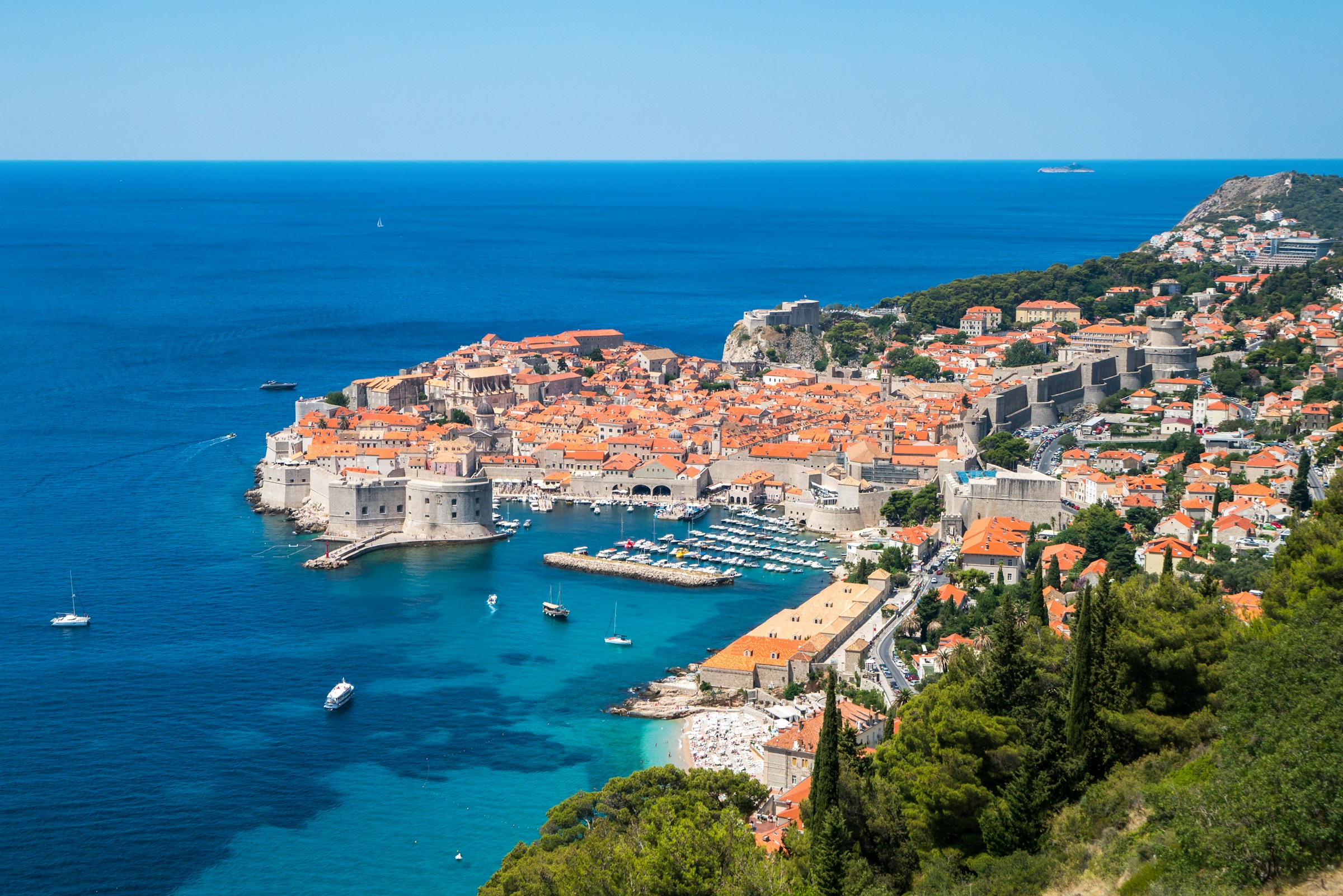
Croatia has emerged as one of Europe's most visited destinations — Dubrovnik's UNESCO-listed Old City; the crystalline waters of the Plitvice Lakes; the Roman ruins of Split's Diocletian's Palace; the Dalmatian islands; and the Istrian coast. The pre-travel health consultation for Croatia is genuinely brief: no malaria; no yellow fever; safe tap water; world-standard EU healthcare. The one substantive clinical discussion is tick-borne encephalitis (TBE) — TICOVAC (FDA-approved 2021; 3-dose series) should be discussed for any traveler planning outdoor or rural activities in forested areas between April and November. The landmine sub-zone in Karlovac and Lika-Senj counties is a geographic hazard that resolves completely with the simple rule: stay on paved roads and marked trails in these inland areas.

Key Health Risks

Moderate
Tick-Borne Encephalitis
TBE (Tick-Borne Encephalitis; flavivirus transmitted by Ixodes ricinus ticks) is endemic throughout Croatia's forested inland areas — Slavonia; Lika; Gorski Kotar; forested mountain regions — with active transmission April through November peaking in early and late summer. Croatia has lower TBE incidence than the Czech Republic or the Baltic states but is confirmed in the CDC Yellow Book as an endemic European country. The TBE vaccine TICOVAC (Pfizer; FDA-approved in the US in 2021) is recommended for travelers spending significant time in forested or rural areas. Clinical range of TBE: most infections (70-95%) are subclinical; symptomatic disease is biphasic — initial flu-like phase followed by neurological phase (meningitis; encephalitis; encephalomyelitis) in approximately 10-30% of symptomatic cases. No antiviral treatment exists; supportive care only. Mortality in European subtype is <1% but neurological sequelae can be permanent. Risk for purely coastal and island Croatian itineraries is minimal. Be sure to consult your Dr. prior to travel to discuss.
Low
Lyme Disease
Lyme borreliosis (Borrelia burgdorferi sensu lato — several genospecies in Europe; B. afzelii predominates) is endemic throughout Croatia's forested areas. Transmitted by the same Ixodes ricinus tick vector as TBE; peak risk April-November in wooded and rural terrain. European Lyme disease more commonly manifests as Lyme acrodermatitis chronica atrophicans (ACA) — a late-stage skin manifestation distinct from US Lyme — than in North American strains. Prevention: DEET 20%+ on exposed skin; permethrin-treated clothing for hiking; daily full-body tick checks with prompt careful removal (fine-tipped tweezers; grasp as close to the skin as possible; pull straight out without twisting). Note for returning travelers: US Lyme serologic assays use a two-tier algorithm with US strains — European B. afzelii infections may show different serologic patterns; consult an infectious disease specialist for any suspected European Lyme exposure.
Low
Landmine Hazard (Karlovac and Lika-Senj Counties)
Unexploded landmines from the 1991-1995 Homeland War remain in approximately 24.5 square kilometers of Croatia; concentrated in Karlovac and Lika-Senj counties in mostly dense forests and rough terrain. These areas are clearly signposted with the international mine warning symbol (skull and crossbones in a red inverted triangle). The Croatian Mine Action Centre maintains hazard maps (hcr.hr). Croatia expects complete de-mining by end of 2026. Risk to travelers: essentially zero if they follow the simple rule — stay on paved roads and marked trails in inland areas; never enter forested terrain off-trail in Karlovac or Lika-Senj counties.
⛑️

Health Risk Callout

TBE is the one substantive clinical conversation for any Croatia-bound traveler planning outdoor activities. TICOVAC has been FDA-approved in the US since 2021 — many patients and even some providers still believe TBE vaccine is unavailable in the US; this is no longer true. The 3-dose primary series ideally begins 6-8 weeks before travel; an accelerated schedule compressing doses 1 and 2 to 14 days apart is available for adults with time constraints. For a purely coastal and island Croatia itinerary — Dubrovnik; Split; Hvar; Vis — the TBE risk is genuinely low and tick exposure during typical coastal tourism is minimal. Be sure to consult your Dr. prior to travel to discuss.
🏥

Other Health Risks

Marine hazards (sea urchins ubiquitous on rocky Dalmatian coastlines — wear reef shoes; remove spines with vinegar or tweezers rather than pressure); Jellyfish (Mauve stinger — Pelagia noctiluca — present in Adriatic in summer; painful but not dangerous in healthy individuals; vinegar or warm water for sting management); Road safety (Croatian highway driving is generally good; mountain road driving in Gorski Kotar and Dalmatian hinterland requires experience; aggressive drivers documented on highways; motorcycle/scooter accidents on islands are common among tourists unfamiliar with narrow roads); Sun exposure (Mediterranean UV index high in summer; SPF 50+ recommended for coastal itineraries); Schengen EES registration required since October 12 2025 for non-EU travelers
🗺

Regional Information

Regional Risk Callout
Croatia's health risk profile is geographically simple. The Dalmatian coast (Dubrovnik; Split; Hvar; Korčula; the islands) and Istria (Pula; Rovinj): no malaria; no YF; TBE risk is very low in coastal and island environments where Ixodes ticks are sparse. The safest areas clinically. Inland and forested areas (Plitvice Lakes; Slavonia; the Gorski Kotar; areas near the Karlovac and Lika-Senj landmine zones): TBE risk is present April-November in forested terrain; also Lyme disease transmission possible. Coastal Croatia is the dominant tourist circuit and carries minimal health risk beyond sun exposure and marine hazards. The Karlovac and Lika-Senj landmine sub-zone is clearly signposted and resolves with basic geographic awareness — stay on marked roads and trails; never enter forested terrain off-trail in Karlovac or Lika-Senj counties.
Regional Healthcare Callout
Healthcare throughout Croatia is good quality by EU standards. All major tourist areas — Zagreb; Split; Dubrovnik; Pula; Rovinj; Hvar; Zadar — have hospitals or clinics adequate for most acute travel-related illness. Emergency evacuation by helicopter from island destinations to Split or Zagreb is the standard for serious emergencies. For conditions beyond Croatian hospital capability (rare); air evacuation to Vienna (approximately 2 hours) or Zagreb for specialist care is logistically straightforward. EU citizens use the European Health Insurance Card (EHIC); US travelers use private travel insurance.
💉

Vaccine and Malaria Prevention

💉 Entry Vaccine Required
None — Croatia has no entry vaccine requirements for US travelers.
🛡️ Recommended Vaccines
CDC recommends Routine vaccines up to date (MMR; Tdap; influenza; COVID-19); Tick-borne encephalitis vaccine (TICOVAC — discuss for any traveler planning hiking; camping; cycling; or rural outdoor activities in forested areas April through November; 3-dose primary series is optimal but an accelerated schedule is available; risk is substantially lower for purely coastal and island itineraries); Hepatitis A (consider for extended stays or travelers eating beyond established tourist restaurants). Be sure to consult your Dr. prior to travel to discuss.
🦟 Malaria Information

No malaria risk.

👨

Physician Note

R
Dr. Robert
Emergency Medicine · 25+ Years · 40+ Countries

Croatia is one of those European consultations where TBE vaccine is genuinely the entire substance of the clinical discussion — everything else is EU-standard safety and infrastructure. The important update for providers is that TICOVAC has been FDA-approved in the US since 2021. I routinely encounter patients who were told by previous providers that TBE vaccine wasn't available stateside; that was true before 2021 and is no longer the case.

I individualize the TBE recommendation based on itinerary — a traveler spending two weeks sailing between Hvar; Vis; and Korčula with zero forest hiking has genuinely low TBE exposure; a traveler hiking Plitvice Lakes and cycling inland Istria in June should have a serious conversation about the 3-dose series. The accelerated adult schedule compressing doses 1 and 2 to 14 days apart makes this feasible even for travelers with shorter pre-trip windows. The Lyme discussion follows naturally from TBE — same tick vector; same DEET and daily-check protocol.

Beyond tick-borne disease; the sea urchin conversation is a useful 30-second addition for any coastal or diving itinerary — they are everywhere on rocky Croatian coastlines and injuries are surprisingly common and surprisingly painful. Be sure to consult your Dr. prior to travel to discuss.

Pre-Departure Checklist

8+ Weeks

  • CDC recommends Be sure to consult your Dr. prior to travel to discuss.TBE vaccine (TICOVAC) — discuss for any hiking
  • Camping
  • Cycling
  • Or forested area itinerary April-November
  • 3-dose primary series (doses at 0
  • 1-3 months
  • 9-12 months) or accelerated schedule for adults (doses 1 and 2 separated by 14 days)
  • Risk substantially lower for purely coastal and island itineraries — individualize decision based on planned activities
  • Routine vaccine review (MMR
  • Tdap
  • Influenza
  • COVID-19).

2–4 Weeks

  • Register with STEP
  • Travel insurance (primary purpose: hospital cost coverage — Croatian hospitals provide emergency care but billing US insurance adds administrative complexity)
  • DEET 20%+ and permethrin-treated clothing for rural/hiking itineraries (TBE and Lyme prevention)
  • Reef shoes for rocky Dalmatian coast beaches (sea urchin prevention)
  • SPF 50+ sunscreen.

Day Of

  • US Embassy Zagreb +385-1-661-2300
  • Emergency 112
  • Ambulance 194
  • Check Croatian Mine Action Centre (hcr.hr) for mine area maps if driving through Karlovac or Lika-Senj counties
  • Reef shoes before entering rocky coastal water
  • Check weather.hr for bora and jugo wind conditions before sea kayaking or sailing.
✈️

Trip Type Guidance

Adventure

  • Plitvice Lakes National Park (UNESCO World Heritage
  • Forested hiking with TBE tick awareness required April-November
  • DEET and permethrin essential
  • Daily tick checks
  • Extraordinary waterfalls and travertine lakes
  • No malaria
  • No dangerous wildlife
  • Allow full day — most agencies only allow 4-6 hours). Sea kayaking Dalmatian coast (Korčula to Dubrovnik route
  • Island-to-island
  • No TBE risk on open water
  • Sea urchin and jellyfish awareness
  • Check bora wind forecasts before multi-day kayak trips). Cycling Istria and Dalmatia (permethrin-treated clothing for rural cycling TBE protection
  • Excellent roads and cycling infrastructure).

Family

  • Croatia is an outstanding family destination — Plitvice Lakes with children
  • Krka Waterfalls
  • Split's Diocletian's Palace (kids love exploring)
  • Dubrovnik Walls walk (not recommended under 6 due to steep sections)
  • Beach culture perfectly family-friendly
  • No travel vaccine requirements for standard coastal itinerary
  • Excellent seafood culture accessible for all ages.

Beach

  • Hvar
  • Vis
  • Korčula
  • Brač (Zlatni Rat beach)
  • Biševo Blue Cave
  • Dalmatian coast beaches are among Europe's most beautiful — crystal water
  • Pebble beaches
  • No malaria
  • UV protection important
  • Sea urchin awareness for reef areas.

Business

  • Zagreb is Croatia's commercial hub with improving business infrastructure
  • Direct connections from major European cities
  • English widely spoken in business contexts.
🗒️

Notes

Special Evacuation Notes
Medical evacuation from Croatia to Vienna or any EU hub is logistically straightforward. Helicopter rescue from Dalmatian islands to Split is well-organized. Travel insurance with medical evacuation is recommended for island and remote hiking itineraries. No unusual evacuation complexity for any standard Croatia itinerary.
Safety Notes
Croatia is a low-crime; safe travel destination. Petty theft (pickpocketing; bag snatching) in crowded tourist areas — Dubrovnik Old City; Split's Peristyle; Zagreb's Ban Jelačić Square — is the primary security concern. Standard urban precautions: use a money belt; carry a copy of your passport (originals in hotel safe); don't leave bags unattended at outdoor restaurants. Dubrovnik in peak summer (July-August) has extreme tourist crowding in the Old City — schedule arrivals before 9am or after 5pm for a manageable experience. Traffic accidents involving rental cars and scooters on narrow island roads are a documented risk for tourists unfamiliar with right-hand traffic (Croatia drives on the right). Landmine warning: stay on paved roads and marked trails in Karlovac and Lika-Senj counties — respect all mine warning signs.
partner recommendation
Medical Evacuation & Assistance
A medical crisis far from home can cost $50,000+ to evacuate. Global Rescue — the partner we personally trust — provides worldwide evacuation and round-the-clock medical assistance.
Get a quote
Good For
Adventure
Family
Beach
Business
Quick Info
  • Capital
    Zagreb
  • Language
    Croatian
  • Currency
    Euro (EUR — Croatia adopted the Euro January 1 2023)
  • State Dept Level
    1
  • Crime Risk
    Low
  • Disaster Risk
    Moderate — Croatia sits on the Dinaric Arc seismic zone; significant earthquakes documented (Zagreb M5.5 in March 2020; Petrinja M6.4 December 2020 killed 7 and injured 26). Adriatic coast: risk of bora (cold NE wind) and jugo (SE sirocco) which can create dangerous sea conditions rapidly. Summer: forest fire risk on Dalmatian coast (dry Mediterranean climate); occasional flash flooding after heavy rain. Hurricane-equivalent storms: not present; Mediterranean tropical-like cyclones (medicanes) are rare but possible September-November.
Water Safety
✅ Tap Water Safe
Tap water is safe throughout Croatia — Zagreb; Split; Dubrovnik; and all major cities and towns. Croatia meets EU water quality standards. On the Dalmatian islands; tap water may have a slightly mineral taste from local aquifer sources but is safe to drink. Bottled water is widely available and preferred by many visitors for taste reasons.
Top Hospital
KBC Zagreb (University Hospital Centre Zagreb)
Zagreb
Croatia's largest and most advanced hospital — full emergency; trauma; ICU; neurosurgery; oncology; and complex specialty capability. Part of the University of Zagreb School of Medicine. Equivalent high-quality care at KBC Split (Klinički bolnički centar Split) for Dalmatian coast travelers. Dubrovnik: Dubrovnik General Hospital (Opća bolnica Dubrovnik) is the primary acute care facility for the most-visited tourist destination — adequate for emergency management; complex cases transfer to Split or Zagreb by helicopter.
Emergency Numbers
112
Emergency
194 (ambulance)
Ambulance
US EMbassy
+385-1-661-2300
https://hr.usembassy.gov/
Resources
Primary Sources
Direct lines to the agencies that publish the world's most trusted travel-health guidance.