Chile

South America
Capital:
Santiago
Currency:
Chilean Peso (CLP)
Risk:
Low-Moderate
📋

Health Overview

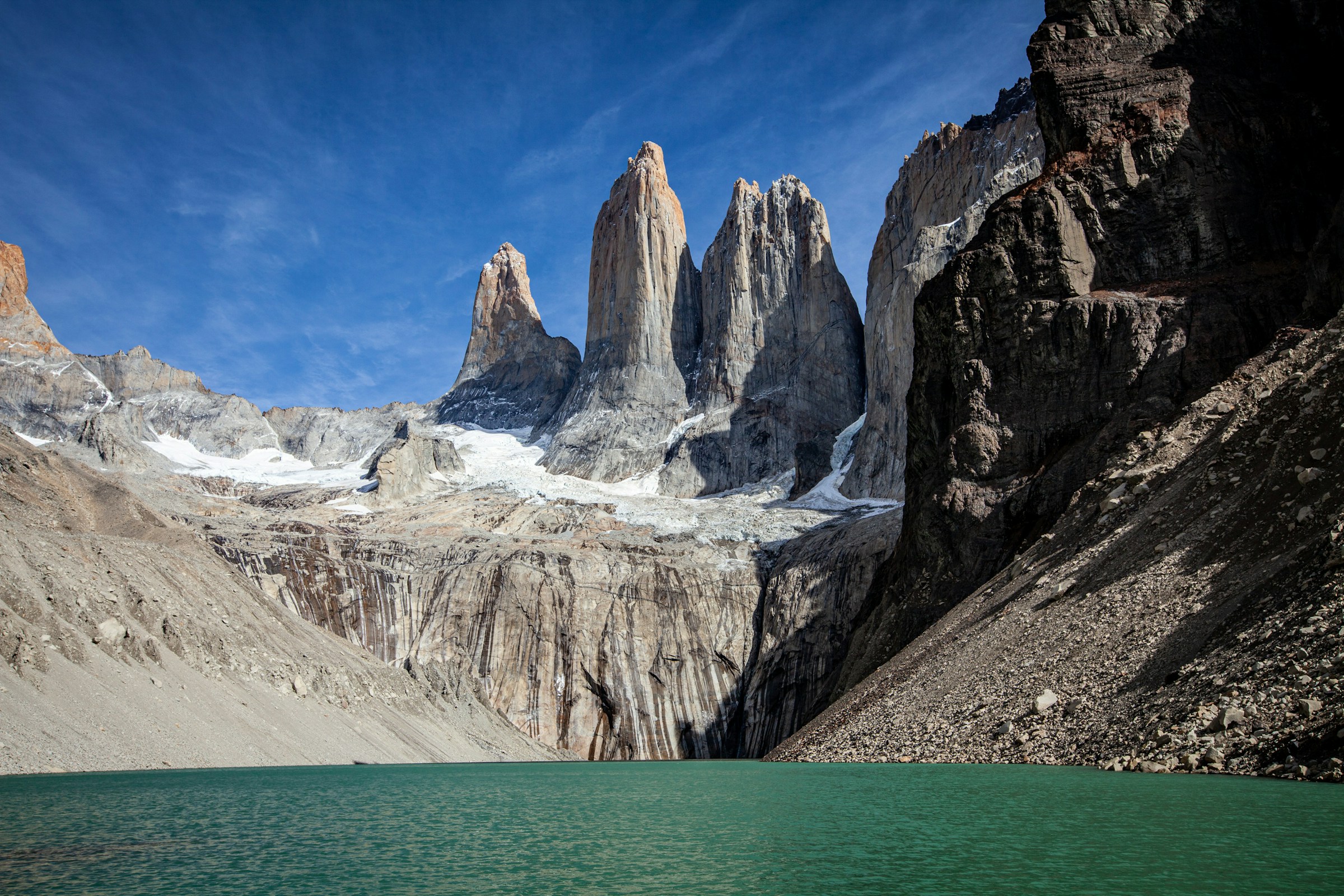
Chile is South America's most politically stable and medically sophisticated travel destination, with excellent private hospital infrastructure in Santiago and some of the world's most extraordinary adventure terrain — from the Atacama Desert to Patagonia's Torres del Paine. There is no malaria risk and no yellow fever concern for any Chilean itinerary, simplifying the pre-travel consultation significantly. The primary clinical considerations are altitude illness in Atacama Desert itineraries (some trekking areas reach 4,000m+), strong seismic and volcanic hazard awareness, and standard dengue-free mosquito precautions. The Level 2 advisory reflects increasing pickpocketing; street crime; and gang-related carjacking in Santiago — not a tropical disease burden.

Key Health Risks

Moderate
Petty Crime and Theft
Pickpocketing and theft are widespread in Santiago. Common tactics include distraction schemes; staged accidents; and team-based theft on the Metro (particularly lines 1 and 5). Tire-slashing to create stranded-driver robbery opportunities is specifically documented and on the rise (July 2025 Embassy security alert). Rental car break-ins are common at tourist parking areas. Always use pre-arranged or app-based transportation from Santiago Airport.
Moderate
Altitude Illness
Atacama Desert itineraries (San Pedro de Atacama is at 2,400m; surrounding geysers and salt flats reach 4,200-4,500m) create real altitude illness risk for travelers arriving from sea level. Organized tours to El Tatio geysers (4,320m) are particularly problematic for rapid ascent. Acetazolamide 125-250mg twice daily starting 24 hours before Atacama altitude exposure significantly reduces risk. Torres del Paine trekking tops out well below altitude illness threshold (<1,000m) — not relevant there.
Moderate
Seismic and Volcanic Risk
Chile has the most active earthquake and volcanic zone in the world (Ring of Fire's southern sector). Magnitude 7+ earthquakes occur regularly. Villarrica and Calbuco volcanoes in the Lake District carry active alert levels. A tsunami evacuation order was issued for Rapa Nui in July 2025. Know your hotel's evacuation plan and the local assembly point for any coastal Chilean destination. The 1960 Valdivia earthquake (magnitude 9.5 — largest ever recorded) shaped much of Chile's coastal infrastructure.
⛑️

Health Risk Callout

The Hantavirus situation in Chile is one of the more underrecognized clinical hazards in the Southern Cone. Chile has documented hantavirus fatalities, primarily in the south-central agricultural and lake district regions (Biobío; La Araucanía; Los Lagos). The virus is transmitted through inhalation of rodent excreta. Rural campers; farmhouse travelers; and national park hikers should avoid disturbing rodent nests and avoid camping near rodent activity.
🏥

Other Health Risks

Travelers' diarrhea (low risk; tap water is safe in cities but bottled water is preferred); Hantavirus (rodent exposure risk in rural south-central Chile; documented fatalities); Rabies (bats; rare exposure)
🗺

Regional Information

Regional Risk Callout
Chile's risk is almost entirely urban/crime-based with distinct geographic variations. Santiago concentrates the highest theft and pickpocketing risk (airports; Cerro Santa Lucía; downtown; Baquedano neighborhood). Valparaíso and Viña del Mar carry moderate-high petty crime risk in port neighborhoods. The Atacama Desert (San Pedro de Atacama; Calama) is low crime but high altitude and extremely remote — medical infrastructure is minimal. Patagonia (Punta Arenas; Puerto Natales; Torres del Paine) is safe and has excellent natural hazards from rapid weather changes. The Mapuche conflict in the Araucanía region has produced occasional vehicle burnings and road disruptions — avoid isolated rural roads there at night. Rapa Nui (Easter Island) is low risk with a tsunami evacuation alert issued in July 2025.
Regional Healthcare Callout
Santiago's private hospital system (Clínica Las Condes; Clínica Alemana; Hospital Clínico UC) is among the best in South America — efficient; English-speaking; and with fast response times. Antofagasta; Iquique; Punta Arenas; and Temuco have solid regional hospitals adequate for most acute conditions. San Pedro de Atacama (Atacama altitude tourism hub) has only a basic medical post — altitude illness and serious trauma require evacuation to Calama or Santiago. Torres del Paine access involves hours from Punta Arenas by road.
💉

Vaccine and Malaria Prevention

💉 Entry Vaccine Required
None.
🛡️ Recommended Vaccines
CDC recommends routine vaccines (MMR; Tdap; influenza; COVID-19 up to date); Hepatitis A (recommended for travelers venturing outside upscale Santiago restaurants); Hepatitis B (recommended for unvaccinated travelers under 60); Typhoid (for travelers eating outside established restaurants)
🦟 Malaria Information

No malaria risk.

Moderate
👨

Physician Note

R
Dr. Robert
Emergency Medicine · 25+ Years · 40+ Countries

Chile is the most straightforward conversation I have I for South America — no malaria, no yellow fever, clean water, world-class hospitals in Santiago. The conversation is very different from Brazil or Colombia. What I focus on clinically for Chile is what most physicians overlook: altitude.

San Pedro de Atacama sits at 2,400m and the popular geyser excursions go to 4,320m at El Tatio — a gain of nearly 2,000m done often in a single morning van ride. Acute Mountain Sickness is common; The seismic situation is simply part of Chilean geography — I tell patients to locate their hotel's earthquake assembly point as part of check-in, the same way you'd check where the emergency exits are. Santiago's private hospitals are exceptional.

Clínica Las Condes and Clínica Alemana are JCI-accredited facilities with English-speaking staff and subspecialty depth. If a US traveler has a cardiac event or serious trauma in Santiago, they will receive excellent care. The clinical risk in Chile is environmental — altitude, seismic activity, and Patagonian weather — not infectious disease.

Pre-Departure Checklist

8+ Weeks

  • Confirm Hepatitis A vaccination
  • Discuss acetazolamide (Diamox) prescription if Atacama itinerary involves altitudes above 2,400m — particularly El Tatio geysers at 4,320m.

2–4 Weeks

  • Obtain travel insurance with medical evacuation coverage for Atacama and Torres del Paine itineraries
  • Review current seismic and volcanic alerts for planned regions
  • Pack layers and waterproof gear for Patagonia (non-negotiable).

Day Of

  • Register with STEP
  • Save 131 (SAMU) and US Embassy Santiago (+56 2 2330 3000) in phone
  • Use only pre-arranged or app-based transportation from Santiago Airport
  • Never resist robbery
  • Carry a photocopy of passport separately from the original.
✈️

Trip Type Guidance

Adventure

  • Atacama Desert (world's driest
  • Extraordinary astronomy and salt flat landscapes)
  • Torres del Paine trekking (W Circuit and O Circuit)
  • Lake District volcano crossings
  • Atacama volcano climbing to 5,000m+ — very low infectious disease risk
  • Altitude illness management is the primary clinical preparation.

Family

  • Santiago is an excellent family destination with outstanding private pediatric care
  • English common in hotels and business
  • Safe neighborhoods (Las Condes
  • Vitacura
  • Providencia).

Beach

  • Viña del Mar and La Serena coastal resorts
  • Pacific Chile beaches are cold and current-exposed — ideal for dramatic scenery and surfing but not Caribbean-style beach vacation.

Business

  • Santiago is the most business-friendly capital in South America — excellent infrastructure
  • Strong rule of law
  • English widely spoken in business settings.
🗒️

Notes

Special Evacuation Notes
Santiago's private hospitals handle virtually all complexity in-country. Medical evacuation to the US is rarely needed from Santiago. For Atacama and remote Patagonia emergencies, helicopter evacuation to Santiago or Punta Arenas respectively is the standard plan. SAMU (131) is the national medical emergency number. Medical evacuation insurance is essential for adventure trekking in Torres del Paine and Atacama Desert regions.
Safety Notes
Register at every hotel and trail system for earthquake evacuation procedures — this is standard Chilean practice. In Santiago, be alert to tire-slashing robbery (new documented trend — July 2025 Embassy alert). In the Atacama: acclimatize before high-altitude excursions; carry acetazolamide; tell your guide if you develop headache at altitude. In Torres del Paine: weather changes in 15 minutes — always carry waterproof layers. In coastal areas: know the nearest high ground and evacuation route for tsunami response.
partner recommendation
Medical Evacuation & Assistance
A medical crisis far from home can cost $50,000+ to evacuate. Global Rescue — the partner we personally trust — provides worldwide evacuation and round-the-clock medical assistance.
Get a quote
Good For
Adventure
Family
Beach
Mission
Business
Quick Info
  • Capital
    Santiago
  • Language
    Spanish
  • Currency
    Chilean Peso (CLP)
  • State Dept Level
    2
  • Crime Risk
    Moderate
  • Disaster Risk
    High — seismic risk throughout the country; volcanic risk (Villarrica; Calbuco; others); tsunami risk on all Pacific coastal areas; Atacama flash flood risk during La Niña events; Patagonia extreme weather (winds exceed 100 km/h in Torres del Paine)
Water Safety
✅ Tap Water Safe
Tap water in Santiago and all Chilean cities is treated and safe to drink. Chile has excellent water infrastructure that meets EU/US standards. Bottled water is widely preferred by travelers for taste but is not necessary for safety. In extremely remote desert and rural areas, verify the water source if staying at a small lodge.
Top Hospital
Clínica Las Condes
Santiago
One of Chile's leading JCI-accredited private hospitals. Full subspecialty coverage including emergency; cardiology; oncology; and orthopedics. English-speaking staff available. Located at Lo Fontecilla 441, Las Condes, Santiago. Tel: (2) 2210-4000. Also excellent: Clínica Alemana de Santiago (also JCI-accredited; strong international patient services) and Hospital Clínico UC Christus (academic center).
Emergency Numbers
133
Emergency
131 (SAMU)
Ambulance
US EMbassy
(+56) 2 2330 3000
https://cl.usembassy.gov/
Resources
Primary Sources
Direct lines to the agencies that publish the world's most trusted travel-health guidance.