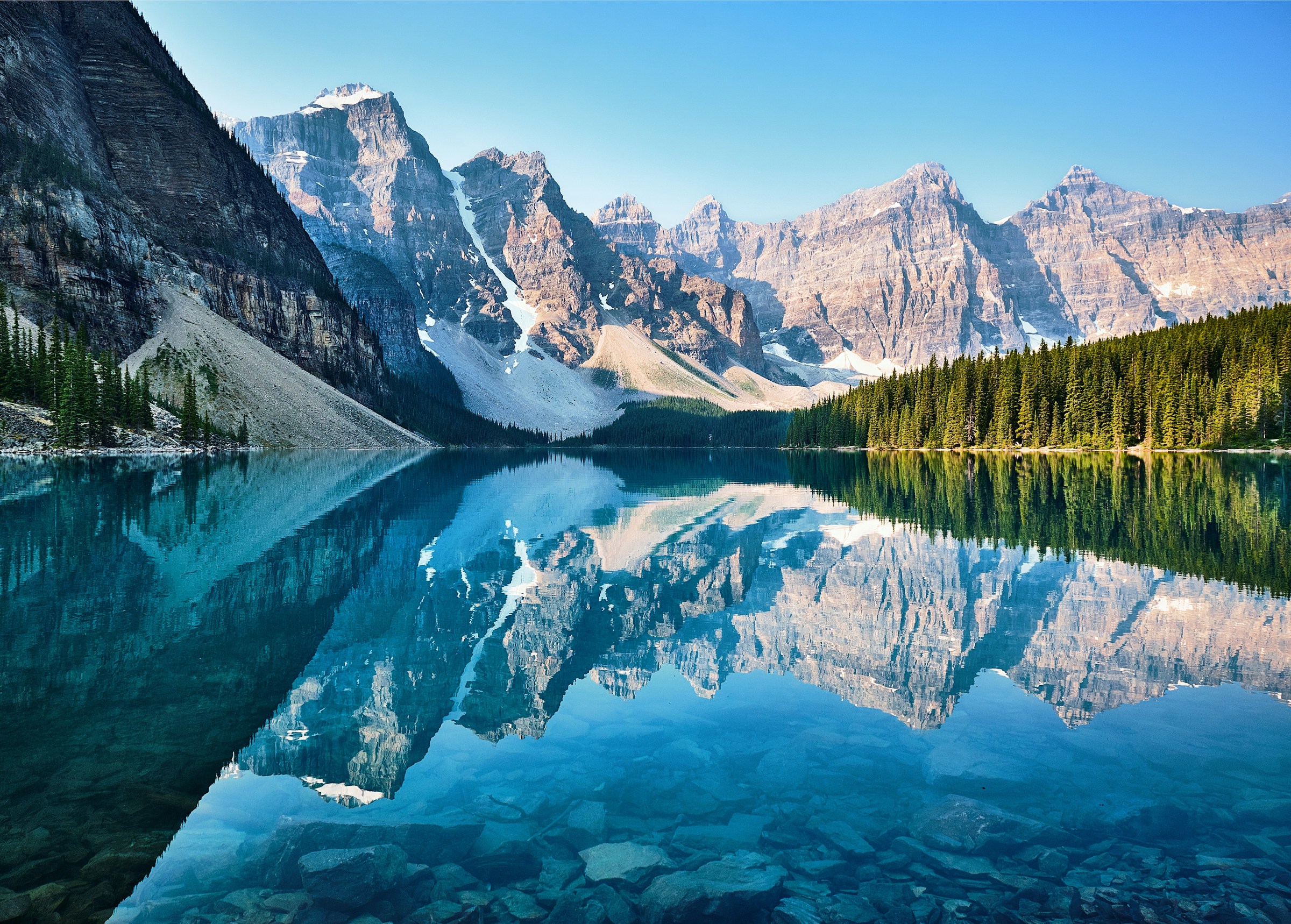
Canada

North America
Capital:
Ottawa
Currency:
Canadian Dollar (CAD)
Risk:
Low
📋

Health Overview

Canada is one of the world's most medically benign international travel destinations for US citizens — Level 1 advisory; world-class healthcare in all major cities; English and French speaking; and safe tap water throughout. The pre-travel consultation is brief: no travel-specific vaccines are required; no malaria exists anywhere; and the health infrastructure is comparable or superior to the United States in most metrics. Key clinical topics include Lyme disease now established across southern Ontario; Quebec; the Maritimes; and British Columbia with an expanding northward range; West Nile virus peaking in Prairie provinces July-August; and wildfire smoke as an increasingly significant air quality concern for travelers with asthma or COPD in BC and Alberta summers. Healthcare is excellent everywhere; however US travelers should confirm their existing insurance covers out-of-network care in Canada to avoid billing complexity.

Key Health Risks

Low-Moderate
Lyme Disease
Lyme disease (Borrelia burgdorferi; transmitted by Ixodes scapularis blacklegged tick) is now endemic in southern Ontario; the Eastern Townships and Outaouais of Quebec; New Brunswick; Nova Scotia; Manitoba; and the lower mainland and Vancouver Island of BC — with range actively expanding northward each season as climate warms. Peak tick season April-November. Prevention: DEET 20%+ or picaridin on exposed skin; permethrin-treated clothing; daily tick checks after any outdoor activity in wooded or grassy terrain. Know the clinical presentation: erythema migrans (bull's-eye rash) appearing within 3-30 days of tick bite; accompanied by flu-like illness. Early oral doxycycline (100mg twice daily for 10-14 days) is highly effective. Clinical point: do not wait for a bull's-eye rash — treat based on clinical suspicion and exposure history if rash is atypical.
Low
West Nile Virus
West Nile virus (Culex mosquito-borne; summer peak July-August) is established across Canada with highest activity in Manitoba; Saskatchewan; Alberta; Ontario; and Quebec. The majority of infections are asymptomatic or produce a self-limited febrile illness (West Nile fever). Neuroinvasive disease (meningitis; encephalitis; acute flaccid paralysis) is uncommon but clinically significant and more common in patients over age 60 or immunocompromised. No vaccine available; prevention is DEET or picaridin during peak Culex activity (dusk and evening hours). Risk is low for standard tourist itineraries but worth mentioning for patients spending extended time outdoors in Prairie provinces during July-August.
Moderate
Extreme Cold and Winter Injury
Canadian winters produce life-threatening cold in many regions — Winnipeg regularly experiences wind chills below -40°C (-40°F); Toronto and Montreal routinely reach -20°C (-4°F) wind chills. Hypothermia; frostnip; and frostbite are genuine risks for winter outdoor travelers. Frostbite can occur within minutes on exposed skin at extreme wind chills. Clinical teaching points: recognize frostnip (painful; red; still soft tissue — rewarm immediately) before progression to frostbite (white; hard; numb tissue — requires controlled rewarming; do not rub). Wet cold penetrates faster than dry cold — change out of wet clothing immediately. Anyone doing winter outdoor activities (skiing; snowshoeing; snowmobiling; ice fishing) needs appropriate layered clothing including moisture-wicking base; insulating mid-layer; and wind/waterproof outer layer. Do not travel alone in remote winter conditions.
⛑️

Health Risk Callout

Canada's minimal infectious disease burden shifts the pre-travel conversation toward environmental and injury risks. Lyme disease is the one vector-borne condition that has meaningfully increased in Canada in the past decade — the southern Ontario and Quebec Lyme risk is now comparable to endemic areas of the US Northeast and is often underappreciated by patients traveling domestically between the US and Canadian tourist destinations. For winter travelers; cold injury recognition and appropriate layering is the most impactful clinical conversation. For summer BC and Alberta travelers with respiratory conditions; a wildfire smoke action plan is increasingly relevant clinical counseling.
🏥

Other Health Risks

Wildfire smoke (BC and Alberta summers — increasingly severe; Air Quality Health Index above 7 requires reducing strenuous outdoor activity; above 10 requires indoor shelter for at-risk populations including asthma; COPD; cardiovascular disease — check weather.gc.ca for AQHI); Giardia and Cryptosporidium (backcountry water sources — all surface water must be filtered; boiled; or chemically treated for any backcountry camping; tap water in cities is universally safe); Bear encounters (national parks — carry bear spray in backcountry areas of BC; Alberta; Yukon; NWT; follow Parks Canada protocols); Moose-vehicle collisions (major cause of serious injury in northern Canada — drive cautiously after dark in forested areas; moose are not reflective and appear suddenly on roads)
🗺

Regional Information

Regional Risk Callout
Canada's health risk profile is essentially uniform across all major tourist destinations — Toronto; Montreal; Vancouver; Ottawa; Quebec City; Calgary; Edmonton; Halifax. All have world-class academic medical centers with no significant tropical disease risk. Regional considerations: southern BC and Alberta for wildfire smoke in summer (monitor AQI at weather.gc.ca); Prairie provinces for West Nile virus peak in July-August (Culex mosquito activity); southern Ontario; Quebec; and Maritimes for Lyme disease in wooded areas April-November; and remote northern communities (Yukon; NWT; Nunavut) for extreme cold; remoteness; and limited medical evacuation infrastructure. The country is uniformly safe by global standards.
Regional Healthcare Callout
Healthcare throughout Canada is world-class and equivalent to or exceeding US standards in most respects. All major cities have excellent academic medical centers with full emergency and specialty capability. Remote northern areas (Yukon; NWT; Nunavut; far northern BC; northern Ontario; northern Quebec) have limited local facilities — serious emergencies require air evacuation to the nearest city. Canada's search-and-rescue and medevac infrastructure is excellent: ORNGE Air Ambulance (Ontario); STARS (western Canada); and provincial medevac services provide effective coverage. US travelers: Canadian hospitals provide emergency care immediately but billing US insurance from Canada adds administrative complexity — comprehensive travel insurance is recommended primarily for this purpose.
💉

Vaccine and Malaria Prevention

💉 Entry Vaccine Required
None — Canada has no entry vaccine requirements for US travelers arriving directly from the United States.
🛡️ Recommended Vaccines
Routine vaccines up to date (MMR; Tdap; influenza; COVID-19). No travel-specific vaccines required for any Canada itinerary. DEET or picaridin for outdoor activities in tick-endemic regions of southern Ontario; Quebec; Maritimes; and BC (Lyme disease prevention).
🦟 Malaria Information

No malaria risk.

Low
👨

Physician Note

R
Dr. Robert
Emergency Medicine · 25+ Years · 40+ Countries

Canada is as close as international travel gets to a domestic medicine consultation — Level 1; world-class hospitals; safe food and water; English speaking. The things worth discussing are genuinely subtle. Lyme disease is the one emerging vector-borne risk that has meaningfully increased in Canada over the past decade — the southern Ontario corridor from Windsor to Ottawa; the Eastern Townships of Quebec; and the lower mainland of BC now have established Ixodes tick populations with Lyme transmission rates that rival endemic New England zones.

I mention it for every patient planning hiking or camping in these areas between April and November. West Nile gets a brief mention for Prairie province travelers in July-August. The wildfire smoke issue has become real seasonal clinical counseling for BC and Alberta — any patient with asthma or COPD needs to know to monitor the Air Quality Health Index and have a rescue inhaler accessible.

For winter travelers; cold injury recognition and appropriate layering is often the most clinically valuable part of the entire visit. The most common practical question I actually address is travel insurance — not because the healthcare isn't excellent (it is); but because billing US insurance from a Canadian hospital creates administrative friction that comprehensive travel insurance smooths out efficiently.

Pre-Departure Checklist

8+ Weeks

  • No travel vaccines required — routine vaccine review only (MMR
  • Tdap
  • Influenza
  • COVID-19 up to date)
  • No passport or visa required but valid US passport required for air travel
  • Confirm existing health insurance covers out-of-network care in Canada.

2–4 Weeks

  • Register with STEP
  • Comprehensive travel insurance (primarily for billing support — Canadian hospitals provide emergency care regardless but US insurance claims from Canada add administrative complexity)
  • DEET 20%+ or picaridin for any national park hiking or wooded outdoor activities in Lyme-endemic regions (southern Ontario
  • Quebec
  • Maritimes
  • BC) April-November
  • Wildfire smoke action plan for BC/Alberta summer travel (check weather.gc.ca AQHI daily
  • Pack N95 masks for contingency).

Day Of

  • 911 emergency everywhere in Canada
  • US Embassy Ottawa [VERIFY +1-613-688-5335]
  • Drive on the RIGHT
  • Cannabis legal in Canada but transporting across US-Canada border illegal in both directions
  • Check Health Canada for First Nations community boil-water advisories if traveling to remote northern communities.
✈️

Trip Type Guidance

Adventure

  • Canadian Rockies (Banff
  • Jasper
  • Yoho
  • Kootenay National Parks — bear spray mandatory in backcountry
  • Altitude awareness up to 3500m
  • Lyme disease tick awareness in forested areas below treeline
  • Wildfire smoke monitoring in summer
  • No malaria
  • Excellent Parks Canada rescue infrastructure)
  • Yukon Wilderness (Kluane National Park
  • Dempster Highway
  • Aurora borealis viewing — extreme cold preparation for winter
  • Bear and wildlife safety
  • Satellite communicator essential for remote travel
  • No significant infectious disease risk).

Family

  • Canada is outstanding for family travel — Niagara Falls
  • CN Tower
  • Royal Ontario Museum
  • Stanley Park
  • Capilano Suspension Bridge
  • Whale watching in BC
  • Puffin colonies in Newfoundland
  • PEI beaches — English and French speaking
  • Safe
  • No travel vaccine requirements
  • Lyme disease tick awareness for national park hiking.

Mission

  • Indigenous community health missions
  • Northern community health work
  • Habitat for Humanity and housing projects — check for active boil-water advisories in specific northern communities
  • Cold injury prevention for winter mission deployment.

Business

  • Toronto
  • Montreal
  • Vancouver
  • Calgary
  • And Ottawa are world-class business destinations with direct US flights
  • English-speaking infrastructure
  • And excellent private hospital networks.
🗒️

Notes

Special Evacuation Notes
Medical evacuation from Canada to the US is logistically straightforward — direct flights connect all major Canadian cities to US cities; and the US-Canada border is the longest shared border in the world. In remote northern Canada (Yukon; NWT; Nunavut); air evacuation to the nearest provincial capital is the first step. Travel insurance is recommended primarily for hospital billing support — emergency care is provided regardless of insurance status in Canada. No unusual evacuation complexity for any standard Canada itinerary.
Safety Notes
Canada is a very safe travel destination with low violent crime across all major cities. Standard urban precautions apply in Vancouver; Toronto; and Montreal — pickpocketing; vehicle break-ins; and occasional bar-area assaults occur. Key safety considerations specific to Canada: (1) winter driving — ice; snow; reduced visibility; mandatory snow tires in Quebec and recommended throughout; moose on roads at night in forested areas; (2) wildfire smoke — monitor AQI at weather.gc.ca; evacuate affected areas if AQI exceeds safe thresholds for your health conditions; (3) backcountry and wilderness safety — bear spray; satellite communicator for remote travel; always leave itinerary with responsible party; (4) cold injury prevention for any winter outdoor travel. Cannabis is legal federally in Canada — note that transporting cannabis across the US-Canada border remains illegal in both directions regardless of Canadian or US state law.
partner recommendation
Medical Evacuation & Assistance
A medical crisis far from home can cost $50,000+ to evacuate. Global Rescue — the partner we personally trust — provides worldwide evacuation and round-the-clock medical assistance.
Get a quote
Good For
Adventure
Family
Mission
Business
Quick Info
  • Capital
    Ottawa
  • Language
    English; French (both official)
  • Currency
    Canadian Dollar (CAD)
  • State Dept Level
    1
  • Crime Risk
    Low
  • Disaster Risk
    Moderate — wildfires (BC and Alberta; increasingly severe summers); flooding (BC; Ontario; Quebec — spring snowmelt events); winter storms and blizzards; rare tornadoes in Prairie provinces; infrequent but documented earthquakes in BC (Cascadia Subduction Zone); avalanche risk in mountain areas of BC and Alberta
Water Safety
✅ Tap Water Safe
Tap water is safe throughout Canada in all major cities and towns to internationally recognized safety standards. Exception: some remote First Nations and Indigenous communities have long-standing boil-water advisories tracked by Health Canada (canada.ca/en/health-canada). Always verify current boil-water advisories for any specific remote northern community stay.
Top Hospital
Toronto General Hospital (University Health Network)
Toronto
Consistently ranked among the best hospitals in Canada and internationally — world-class transplant; cardiac surgery; neurosurgery; and complex internal medicine programs. Equivalent excellence at: Vancouver General Hospital (Level 1 trauma center); McGill University Health Centre — Montreal General Hospital; Ottawa Hospital; University of Alberta Hospital (Edmonton); Foothills Medical Centre (Calgary); QEII Health Sciences Centre (Halifax). All major Canadian cities have academic medical centers comparable to US academic medical centers. Private care note: US travelers use the private billing pathway in Canadian hospitals; travel insurance is recommended for billing support.
Emergency Numbers
911
Emergency
911
Ambulance
US EMbassy
+1-613-688-5335 [VERIFY]
https://ca.usembassy.gov/
Resources
Primary Sources
Direct lines to the agencies that publish the world's most trusted travel-health guidance.