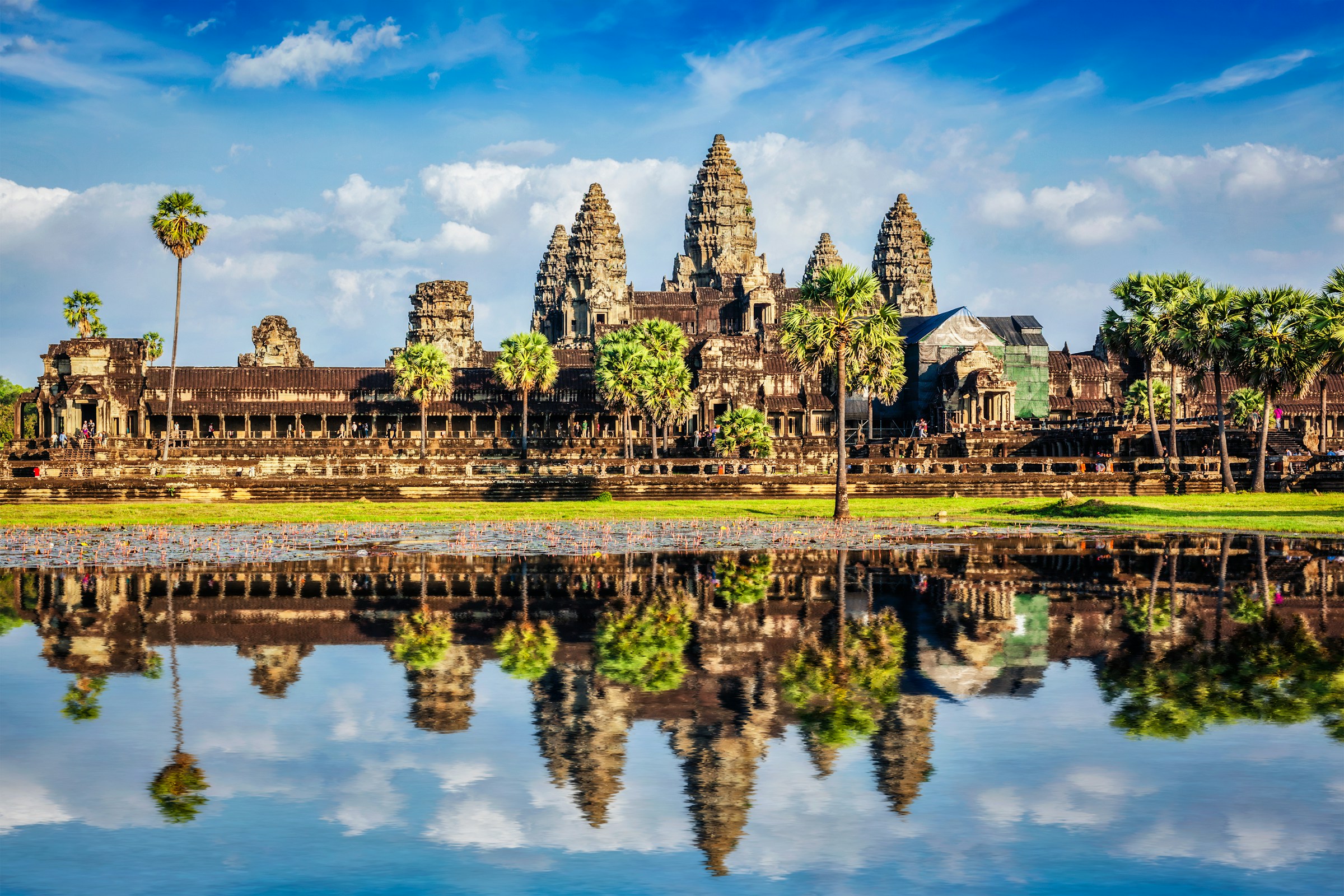
Cambodia

Asia
Capital:
Phnom Penh
Currency:
Cambodian Riel (KHR) / US Dollar widely accepted
Risk:
Moderate-High
📋

Health Overview

Cambodia's biggest health planning factor is the limited quality of in-country healthcare — even Phnom Penh's best hospitals are below regional standards, and serious illness or injury requires evacuation to Bangkok. Malaria remains a genuine risk in rural and forested areas with drug-resistant strains. Dengue is endemic nationwide. Traveler's diarrhea rates are very high. The prepared traveler has Bangkok evacuation coverage confirmed, carries a comprehensive kit, and understands that medical self-reliance is essential outside Phnom Penh and Siem Reap. Be sure to consult your Dr. prior to travel to discuss

Key Health Risks

Moderate-High
Malaria
Drug-resistant P. falciparum in forested areas. Cambodia is the epicenter of artemisinin resistance. Atovaquone-proguanil or doxycycline only. Prophylaxis essential for any rural/forest travel.
High
Dengue Fever
Endemic nationwide including Phnom Penh and Siem Reap. Peak during rainy season May-Nov. DEET and permethrin essential.
Very High
Traveler's Diarrhea
Extremely common. Carry azithromycin for self-treatment. Avoid all tap water, ice from unknown sources, and raw foods.
⛑️

Health Risk Callout

Cambodia has the world's highest concentration of artemisinin-resistant malaria. Drug choice for prophylaxis matters critically here.
🏥

Other Health Risks

Rabies (stray dogs very common), tuberculosis exposure, soil-transmitted helminths, avian influenza (poultry contact), landmine injuries in rural areas (stay on marked paths)
🗺

Regional Information

Regional Risk Callout
Phnom Penh and Siem Reap (Angkor Wat) have the best available medical facilities but these remain limited. Rural provinces and forested areas carry malaria risk with multi-drug-resistant P. falciparum. Thai-Cambodia border area has active military conflict — do not travel within 50km of the border. Sihanoukville has deteriorating security conditions.
Regional Healthcare Callout
Siem Reap has basic private clinics. Rural Cambodia has essentially no reliable healthcare — mission workers must be medically self-sufficient. Bangkok is the evacuation destination for anything serious.
💉

Vaccine and Malaria Prevention

💉 Entry Vaccine Required
Yellow Fever vaccination required if arriving from a country with YF risk.
🛡️ Recommended Vaccines
CDC recommends Hepatitis A, Typhoid, Hepatitis B, Japanese Encephalitis, Rabies, Malaria prophylaxis, Routine (Tdap, MMR, Flu, COVID-19)
🦟 Malaria Information
  • Risk Level: Moderate-High
  • Areas: Forested areas throughout the country, especially western provinces (Pailin, Battambang) and northeastern provinces. Minimal risk in Phnom Penh and Siem Reap/Angkor Wat.
  • Recommended Drug: Atovaquone-proguanil (Malarone) or Doxycycline
  • Drug Resistance: Yes

Cambodia is the global epicenter of artemisinin-resistant P. falciparum. Mefloquine resistance is also present. Only atovaquone-proguanil or doxycycline should be used for prophylaxis. This is not a country where you can skip malaria prophylaxis for rural travel.

Moderate-High
👨

Physician Note

R
Dr. Robert
Emergency Medicine · 25+ Years · 40+ Countries

I've volunteered in rural Cambodia and it was one of the most impactful and most challenging experiences of my career. The healthcare infrastructure outside Phnom Penh is genuinely minimal. For travelers: the malaria situation in Cambodia is uniquely important.

This is where artemisinin resistance was first identified. Dengue is everywhere, including the tourist circuits around Angkor. Rabies from stray dogs is a real and underappreciated risk.

Your evacuation plan to Bangkok is your safety net. Make sure it's real. Amazing country, fantastic people, but Global Rescue is an imperative

Pre-Departure Checklist

8+ Weeks

  • Be sure to consult your Dr. prior to travel to discuss
  • CDC recommends Complete Hep A/B, Typhoid, JE, and rabies series. Begin malaria prophylaxis planning.

2-4 Weeks

  • Fill atovaquone-proguanil or doxycycline
  • Purchase evacuation insurance that explicitly covers Cambodia-to-Bangkok transfer
  • Assemble comprehensive medical kit
  • Register with STEP

Day Of

  • Pack full mosquito protection including treated bed net
  • Carry prophylaxis and TD treatment
  • Print Bangkok hospital contacts and evacuation plan
✈️

Trip Type Guidance

Adventure

  • Angkor Wat is manageable with standard precautions
  • Jungle trekking requires malaria prophylaxis and comprehensive kit.

Mission

  • Rural Cambodia requires the highest level of medical self-sufficiency — bring complete clinical supplies and confirm Bangkok evacuation coverage
🗒️

Notes

Special Evacuation Notes
Bangkok evacuation is standard — approximately 1 hour by air ambulance from Phnom Penh. Confirm evacuation coverage explicitly includes Cambodia-to-Bangkok transfer.
Safety Notes
Bag snatching from motos is the most common crime against tourists in Phnom Penh. Landmines remain a hazard in rural areas — never walk off marked paths. Thai-Cambodia border conflict zone — avoid within 50km. Sihanoukville has seen rising crime.
partner recommendation
Medical Evacuation & Assistance
A medical crisis far from home can cost $50,000+ to evacuate. Global Rescue — the partner we personally trust — provides worldwide evacuation and round-the-clock medical assistance.
Get a quote
Good For
Adventure
Mission
Quick Info
  • Capital
    Phnom Penh
  • Language
    Khmer
  • Currency
    Cambodian Riel (KHR) / US Dollar widely accepted
  • State Dept Level
    2
  • Crime Risk
    Moderate
  • Disaster Risk
    Moderate — annual Mekong and Tonle Sap monsoon flooding (May-November; the Tonle Sap Lake physically reverses its flow direction in the wet season — one of the world's most dramatic annual flood systems; low-lying communities throughout Cambodia flood annually); landslides in the Cardamom Mountains; drought risk in dry season (November-April) with water scarcity in rural areas; tropical cyclones rare but possible on the eastern coast; minimal seismic and volcanic risk
Water Safety
⛔️ Tap Water Not Safe to Drink
Never drink tap water. Use bottled water everywhere including Phnom Penh. Avoid ice unless from a confirmed purified source.
Top Hospital
Royal Phnom Penh Hospital
Phnom Penh
Best available in-country but limited by regional standards. SOS International clinic also available. Serious cases should evacuate to Bumrungrad in Bangkok.
Emergency Numbers
117
Emergency
119
Ambulance
US EMbassy
+855-23-728-000
https://kh.usembassy.gov/
Resources
Primary Sources
Direct lines to the agencies that publish the world's most trusted travel-health guidance.