
.svg)
Belize
Health Overview
Key Health Risks
Health Risk Callout
Other Health Risks
Regional Information
Vaccine and Malaria Prevention
- Risk Level: Moderate
- Areas: Rural and jungle areas throughout Belize, with highest risk in the southern Stann Creek, Toledo, and Cayo Districts. Malaria is primarily P. vivax. Lower risk on Ambergris Caye and Caye Caulker and in Belize City itself — though not zero risk on the northern Cayes.
- Recommended Drug: Atovaquone-proguanil, chloroquine, doxycycline, mefloquine, primaquine (after G6PD testing), or tafenoquine (after G6PD testing) — all are appropriate options. Belize P. vivax is chloroquine-sensitive.
- Drug Resistance: No
P. vivax malaria in Belize has a specific clinical implication beyond the acute illness: the hypnozoite liver stage means relapsing disease can occur weeks to months after the traveler has returned home. A traveler who completes prophylaxis and returns home can still develop vivax malaria later from dormant liver stages. For travelers with significant jungle exposure, discuss terminal primaquine prophylaxis (after G6PD testing) with a travel medicine physician.
Physician Note
Belize is one of those destinations I counsel enthusiastically and thoroughly — because the rewards are genuinely extraordinary and the clinical preparation is real. The crime situation in Southside Belize City is serious, but most tourists navigate Belize successfully by routing smart: fly into Belize City, transfer directly to Ambergris Caye or a Cayo District lodge, and stay away from Southside. The clinical content I focus on is malaria and the screwworm.
The New World screwworm alert is unusual enough to mention explicitly to every Belize-bound jungle traveler. Any wound in the Belizean jungle should be covered and monitored. If it fails to heal normally after return, get it evaluated — the larvae are detectable and treatable early.
Rabies pre-exposure vaccination is worth the conversation for any traveler planning cave exploration (bats), wildlife contact, or extended jungle stays. The ecotraveler to Belize needs hepatitis A, typhoid, malaria prophylaxis, rabies pre-exposure, DEET, wound care protocol, and comprehensive medevac insurance. That is a full clinical consultation.
Pre-Departure Checklist
8+ Weeks
- Consult a travel medicine physician about malaria prophylaxis for any jungle or rural itinerary — atovaquone-proguanil or doxycycline are common choices
- Complete Hepatitis A and Typhoid vaccinations
- Strongly consider Rabies pre-exposure vaccination for jungle/cave/wildlife exposure.
2–4 Weeks
- Obtain travel insurance with medical evacuation coverage ($50,000 minimum)
- Pack DEET 20%+ repellent and permethrin for clothing
- Obtain prescription for travelers' diarrhea antibiotic
- Discuss New World screwworm wound care protocol with your physician if jungle travel planned.
Day Of
- Register with STEP
- Save US Embassy Belize (+501 822-4011) and 911 in your phone
- Confirm night driving avoidance plan
- Pack wound dressings and first aid kit as top-of-bag priority for jungle itineraries.
Trip Type Guidance
Adventure
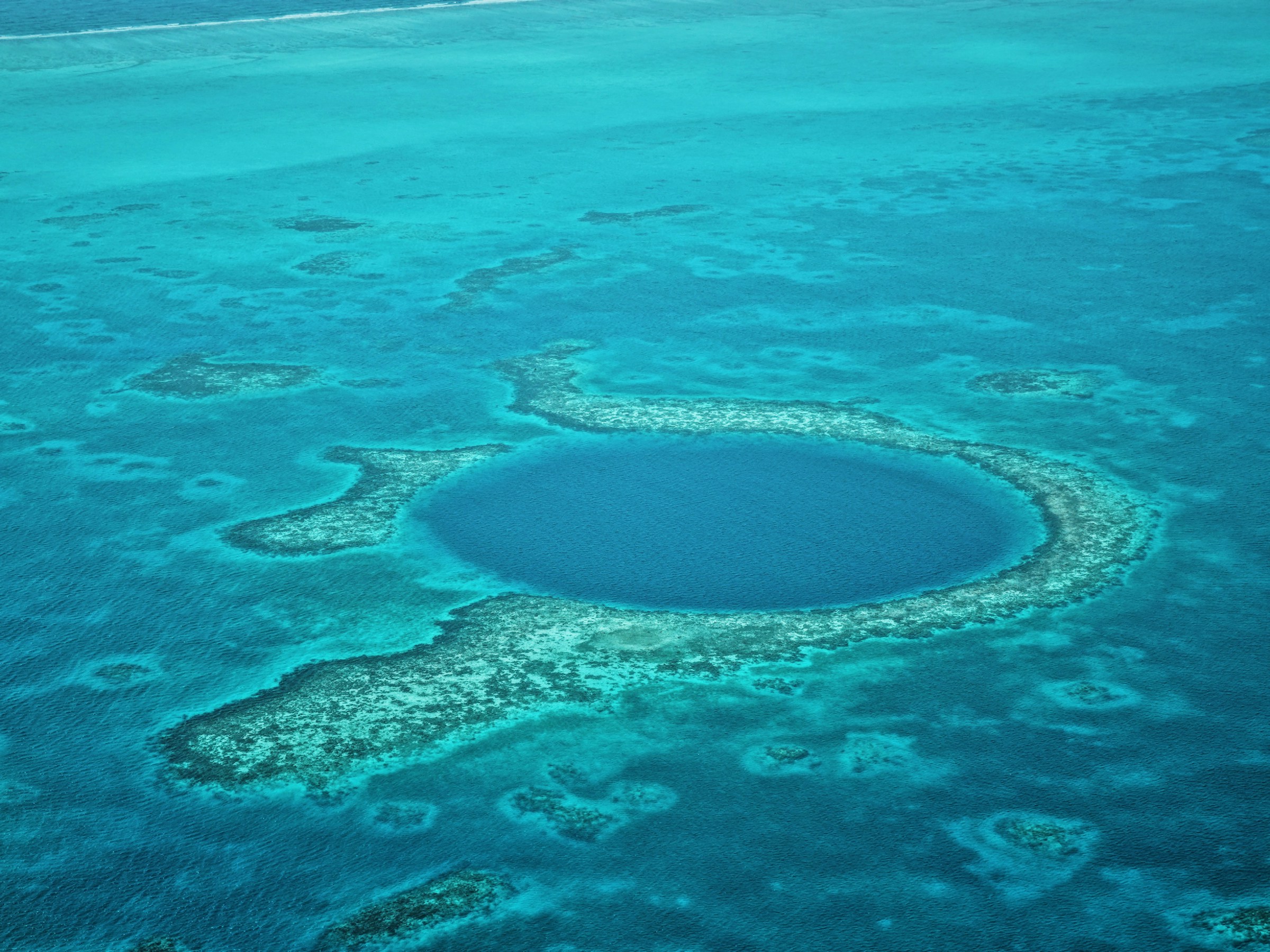
- World-class diving on the Belize Barrier Reef, the Great Blue Hole, cave tubing at Actun Tunichil Muknal, and wildlife trekking in the Cockscomb Basin Jaguar Preserve — extraordinary experiences requiring vetted operators and full expedition preparation
Beach
- Ambergris Caye and the Southern Cayes offer exceptional Caribbean beach and dive experiences with lower crime risk than the mainland
Mission
- Active NGO and medical mission presence in southern Toledo District and inland Cayo communities
- Full jungle preparation including malaria prophylaxis and evacuation insurance are non-negotiable.
