
.svg)
Barbados
Risk:
Low
Health Overview
Barbados is one of the Caribbean's safest destinations — Level 1 with reliably safe tap water filtered through coral limestone aquifer, functioning Queen Elizabeth Hospital, and excellent resort infrastructure. No malaria. Primary concerns: dengue (endemic year-round), Zika (past transmission), and standard food-borne precautions. Oropouche virus documented December 2024.
Key Health Risks
Low-Moderate
Dengue Fever
Dengue endemic year-round. Aedes aegypti active during daylight. Global Dengue notice March 2026. DEET essential morning and evening even at resorts. Two Oropouche cases December 2024.
Low
Traveler's Diarrhea
Food hygiene generally good at major resorts. Higher risk at rum shops, markets, street food. Hep A recommended outside resort economy.
Low
Sun / Heat / Water Safety
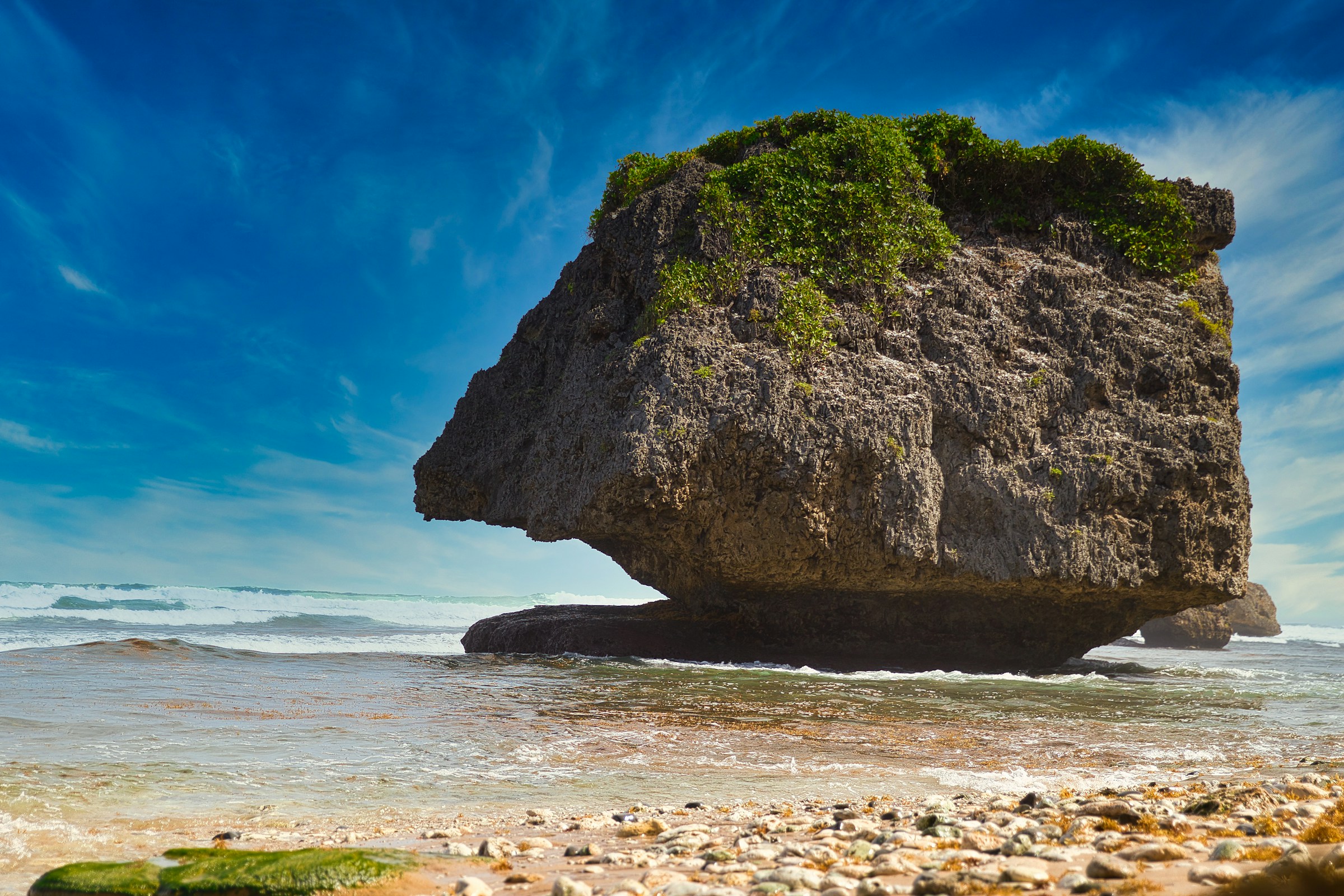
Atlantic east coast has strong unpredictable currents — tourist drownings documented. Caribbean west coast calmer. UV index frequently extreme at 13 degrees north. Heat exhaustion genuine risk.
Health Risk Callout
No malaria, safe tap water, Level 1. Dengue underestimated by travelers in resort settings. Oropouche documented December 2024 — dengue-like febrile illness on post-travel differential.
Other Health Risks
Oropouche virus (2 cases Dec 2024 — emerging); Traveler's diarrhea; Leptospirosis (minor)
Regional Information
Regional Risk Callout
Small compact island (21 x 14 miles) with uniformly low risk. West coast (Platinum Coast) has upscale hotels. East coast (Atlantic) less developed with stronger surf. No distinct high-risk zones.
Regional Healthcare Callout
Best medical care in Eastern Caribbean short of Puerto Rico. Bayview recompression chamber only facility in region for dive decompression. Serious cases air-transferred to Miami or Trinidad. Medevac less commonly needed than smaller islands.
Vaccine and Malaria Prevention
💉 Entry Vaccine Required
YF certificate required for travelers arriving from YF-risk countries (Guyana and Trinidad specifically excluded unless active outbreak).
🛡️ Recommended Vaccines
CDC recommends Routine; COVID-19; Hep A (recommended outside resorts); Hep B; Typhoid (consider for local/street food)
🦟 Malaria Information
No malaria risk.
Low
Physician Note
Dr. Robert
Emergency Medicine · 25+ Years · 40+ Countries
Barbados is straightforward — Level 1, no malaria, safe water. Dengue is real and bites during the day; DEET belongs in the daily routine. Oropouche — two cases documented December 2024 — is a midge-borne arboviral illness that looks like dengue; if returning traveler tests negative for dengue/Zika, Oropouche on the differential.
Queen Elizabeth Hospital is competent. Bayview's recompression chamber is the go-to for dive injuries. Be sure to consult your Dr. prior to travel to discuss
Pre-Departure Checklist
8+ Weeks
- Be sure to consult your Dr. prior to travel to discuss
- CDC recommends Hep A if not immune
- Routine vaccines
- No malaria prophylaxis.
2-4 Weeks
- DEET insect repellent
- Confirm Bayview Hospital recompression chamber if diving.
Day Of
- Tap water safe
- Swim on calmer west coast
- Sunscreen and DEET from day one.
Trip Type Guidance
Beach
- West coast Platinum Coast world-class calm-water beaches
Family
- Level 1, safe tap water, good medical infrastructure — one of most family-appropriate Caribbean destinations
Business
- Bridgetown significant regional financial center with direct US flights
Notes
Special Evacuation Notes
No unusual medevac restrictions. Grantley Adams International Airport major regional hub with direct US flights. Medevac to Miami or San Juan. Embassy Bridgetown also serves Antigua, St. Kitts, Dominica, St. Lucia.
Safety Notes
Safest in this batch. Petty theft from beaches main concern. Atlantic east coast: serious rip current/drowning risk. Roads variable — driving on left. UK-type electrical outlets (Type G adaptor).
partner recommendation
Medical Evacuation & Assistance
A medical crisis far from home can cost $50,000+ to evacuate. Global Rescue — the partner we personally trust — provides worldwide evacuation and round-the-clock medical assistance.

Good For
Family
Beach
Business