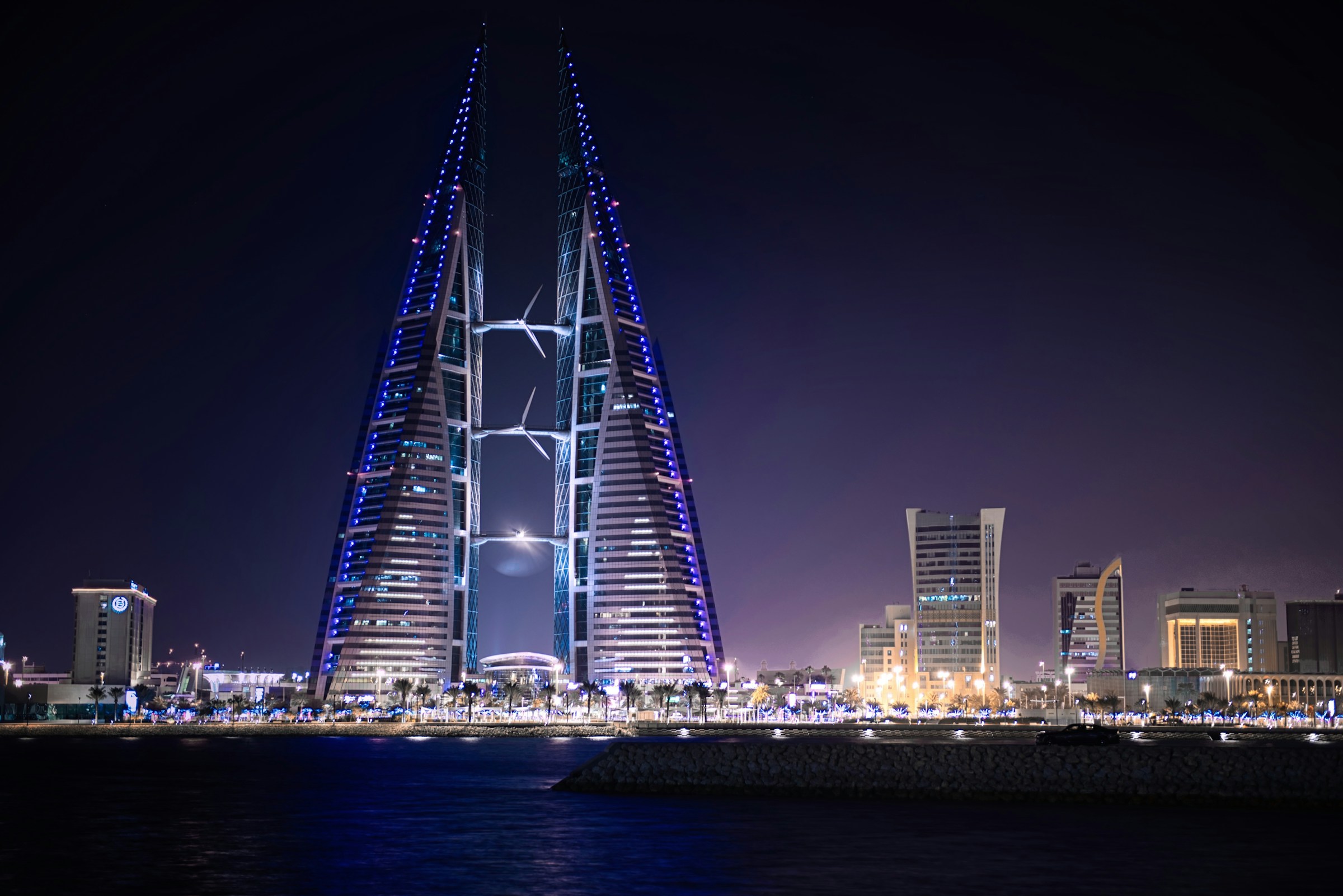
Bahrain

Middle East
Capital:
Manama
Currency:
Bahraini Dinar (BHD; ~0.38 per USD; one of world's highest-valued currencies)
Risk:
High
📋

Health Overview

Bahrain is at State Department Level 3 — Reconsider Travel — for terrorism and armed conflict, reissued 27 August 2026 with the risk indicators unchanged. The reissue materially softened the March 2026 picture: the ordered departure of non-emergency U.S. government personnel has been replaced by a requirement that employees obtain special authorization to travel, and family members aged 18 and over may now join employees posted there. What has not changed is the ongoing threat of drone and missile attacks from Iran following the 28 February hostilities, significant disruption to commercial flights, and an FAA Notice to Airmen covering the Persian Gulf and Gulf of Oman region. Clinically Bahrain is straightforward: no malaria, healthcare is available throughout the country and public hospitals have trauma and intensive care units, though payment is required upfront and pain management protocols differ significantly from U.S. standards. CDC recommends typhoid for most travelers here, along with hepatitis A and B and up-to-date MMR. Two administrative matters end trips at the border and deserve more attention than the vaccines: a visa is required, and Bahrain enforces significant HIV entry and residence restrictions. Be sure to consult your Dr. prior to travel to discuss
⚕

Key Health Risks

Very High
Prescription Medication Restrictions and HIV Care Limits
State Dept states that most narcotic painkillers, stimulants and controlled sedatives or hypnotics are not easily available in Bahrain and may be illegal, and that CBD oil and CBD products must not be brought into the country; check any medication against Customs Affairs of Bahrain before travel and carry everything in original packaging with the prescription. Bahrain restricts entry and residence for people with HIV and AIDS, hepatitis B and hepatitis C, and treatment for these conditions can be restricted to Bahraini citizens. Health facilities are required to report HIV-positive expatriates to the Ministry of Health, and pharmacies will not dispense HIV medication to non-Bahraini citizens without a Ministry permit. People with mental health conditions or HIV-related health issues may not be able to obtain U.S. standards of emergency care.
Very High
Regional Armed Conflict — Drone and Missile Threat
Following the onset of hostilities between the United States and Iran on 28 February 2026, State Dept reports an ongoing threat of drone and missile attacks from Iran and significant disruptions to commercial flights. The FAA has issued a Notice to Airmen covering risks to civil aviation within or near the Persian Gulf and Gulf of Oman region, including Bahrain — though separately the FAA has assessed Bahrain's own Civil Aviation Authority as meeting international standards for aviation safety oversight. The 27 August 2026 advisory reissue lifted the March ordered departure: U.S. government employees now require special authorization to travel, and family members aged 18 and over may join employees posted there. The U.S. Embassy in Manama is operating; confirm current flight and embassy status before travel, as the picture has changed repeatedly through 2026. U.S. Embassy Manama +973-1724-2700; State Dept 24/7 +1-202-501-4444.
Moderate
Extreme Heat and Humidity
State Dept describes Bahrain's climate as arid desert with extremely hot and humid summers from April to October. Heat illness is the most probable medical event for a traveler here, and humidity blunts evaporative cooling so the usual desert heuristics understate the risk. Hydration, shade discipline and shifting outdoor activity to early morning. Dust and sandstorms are also common.
⛑️

Health Risk Callout

Bahrain is Level 3 for terrorism and armed conflict, reissued 27 August 2026, with an ongoing threat of drone and missile attacks from Iran and continuing disruption to commercial flights. Clinically the destination is undemanding — no malaria, healthcare available countrywide — and the two items that most often get missed are typhoid, which CDC recommends for most travelers here, and the medication rules: most narcotic painkillers, stimulants and controlled sedatives may be illegal, and CBD is prohibited outright.
🏥

Other Health Risks

MERS (CDC-listed) — CDC states that scientists do not fully understand how the MERS virus spreads; it may spread from an infected person coughing or sneezing, and may spread to people from camels. Avoid contact with camels and with sick people. No vaccine. Tuberculosis (CDC-listed; airborne from a contagious person). Leptospirosis (CDC-listed; contact with urine-contaminated fresh water, mud or floodwater, or contaminated food and water). Hantavirus (CDC-listed; rodent urine, droppings or saliva, or a bite). HIV restrictions with direct clinical consequence — health facilities are required to report HIV-positive expatriates to the Ministry of Health, expatriates may face deportation even if well controlled on medication, there is a risk of being tested without consent during a hospital visit, and pharmacies will not sell HIV medication to non-Bahraini citizens without a Ministry of Health permit; anyone on antiretroviral therapy should carry their entire supply. Controlled medications — most narcotic painkillers, stimulants and controlled sedatives or hypnotics are not easily available in Bahrain and may be illegal; CBD oil and CBD products must not be brought into the country. Check any medication against Customs Affairs of Bahrain before travel and carry everything in original packaging with the prescription. Heat and humidity — summers run April to October and are extremely hot and humid. Dust and sandstorms, drought and flooding are the natural hazards State Dept identifies.
🗺

Regional Information

Regional Risk Callout
Bahrain is a small island nation, about four times the size of Washington D.C., and the Level 3 advisory applies uniformly — there are no separately designated sub-zones. Manama: the old market (souq) area sees thieves and pickpockets, though crime overall is low and violent crime rare. Demonstrations are common in some areas, particularly at night, where State Dept reports burning tyres, thrown rocks and occasional Molotov cocktails; the U.S. Embassy restricts its own employees from travelling to specific areas where protest activity is more likely and advises U.S. citizens to do the same, with the current list on the embassy website. The Ministry of Interior maintains official checkpoints and deploys crowd control agents where a protest is judged unsafe. No U.S. citizens have been specifically targeted during protest activity. Bahrain International Airport is operating; the King Fahd Causeway to Saudi Arabia is the overland alternative.
Regional Healthcare Callout
Health facilities are available throughout Bahrain and public hospitals have trauma and intensive care units (State Dept). Post-operative and trauma centres follow regional pain management protocols that differ significantly from U.S. standards. People with mental health conditions or HIV-related health issues may not be able to obtain U.S. standards of emergency care. Bahrain International Airport is operating; the King Fahd Causeway to Saudi Arabia is the overland alternative.
💉

Vaccine and Malaria Prevention

💉 Entry Vaccine Required
No vaccinations are required for direct travel from the United States. Yellow fever vaccination is required for travelers aged 9 months and older arriving from — or transiting more than 12 hours through — a country with risk of yellow fever transmission (CDC, updated 23 April 2025); note that CDC does not otherwise recommend the vaccine for Bahrain, so this is an entry rule rather than a clinical recommendation. Separately, and more likely to affect you: a visa is required. It may be obtained in advance through the Bahrain eVisa service or on arrival, and a 10-year multiple-entry visa can be requested through the Bahraini embassy. Your passport must be valid for at least six months beyond arrival, with one blank page available per stamp. Do not work in Bahrain on a tourist visa — Bahraini authorities enforce this against the traveler regardless of what an employer says. Bahrain also maintains significant HIV entry and residence restrictions: declared HIV-positive foreign nationals risk immediate deportation and visa revocation.
🛡️ Recommended Vaccines
CDC recommends routine vaccines up to date, including MMR, DTaP/Tdap/Td, polio, varicella, influenza and shingles, plus COVID-19 for all eligible travelers; MMR specifically — the Global Measles notice is active and all international travelers should be fully vaccinated before departure, with an early dose for infants 6–11 months; Typhoid for most travelers to Bahrain; Hepatitis A for unvaccinated travelers one year and older, and for infants 6–11 months as a dose that does not count toward the routine series; Hepatitis B for unvaccinated travelers under 60, with travelers 60 and older eligible if they choose; Monkeypox for adults anticipating certain intimate contact during travel; Rabies pre-exposure only on an occupational or recreational risk assessment — CDC states rabid dogs are not commonly found in Bahrain; Yellow fever not recommended by CDC, and required for entry only for travelers aged 9 months and older arriving from a country with yellow fever transmission risk, including airport transits or layovers over 12 hours in such a country. Discuss all of the above with your Dr. prior to travel.
🦟 Malaria Information

No malaria risk.

None
👨

Physician Note

R
Dr. Robert
Emergency Medicine · 25+ Years · 40+ Countries

The security headline crowds out the clinical picture here, and the clinical picture is the part travelers get wrong. Bahrain is Level 3 for terrorism and armed conflict, but the event most likely to land someone in a Manama emergency department is heat. Summers run April through October and the humidity blunts evaporative cooling, so the usual desert rules of thumb understate the load.

The one genuinely Bahrain-specific vaccine is typhoid, which CDC recommends for most travelers here. Rabies runs opposite to the regional pattern - CDC states that dogs infected with rabies are not commonly found in Bahrain, so I treat pre-exposure prophylaxis as a risk-assessment decision rather than a default.

Two things matter more than the vaccines. Post-operative and trauma centres follow regional pain management protocols that differ significantly from U.S. standards, so expect analgesia to be handled differently than at home. And pharmacies will not dispense antiretrovirals to non-Bahraini citizens without a Ministry of Health permit - anyone on ART carries the whole trip's supply. Be sure to consult your Dr. prior to travel to discuss

✅

Pre-Departure Checklist

8+ Weeks

  • State Dept Level 3 - Reconsider Travel for terrorism and armed conflict, reissued 27 August 2026. Confirm the trip should proceed and that any sending organization accepts the advisory level
  • Be sure to consult your Dr. prior to travel to discuss
  • Apply for your visa through the Bahrain eVisa service, or confirm you will obtain one on arrival
  • Check passport validity - at least six months beyond arrival, with one blank page per stamp
  • Typhoid vaccine - CDC recommends it for most travelers to Bahrain
  • Hepatitis A for unvaccinated travelers one year and older
  • Hepatitis B for unvaccinated travelers under 60
  • Routine vaccines up to date including MMR - the CDC Global Measles notice is active for all international travel
  • Monkeypox vaccine for adults anticipating certain intimate contact during travel
  • Yellow fever certificate only if arriving from, or transiting more than 12 hours through, a country with yellow fever transmission risk

2-4 Weeks

  • Register with STEP
  • Check every medication against Customs Affairs of Bahrain - most narcotic painkillers, stimulants and controlled sedatives may be illegal, and CBD is prohibited
  • Carry all medication in original packaging with the prescription
  • If you take antiretroviral therapy, carry your entire supply - pharmacies will not dispense HIV medication to non-Bahraini citizens without a Ministry of Health permit
  • Confirm what your travel insurance covers in an armed conflict, and confirm medical evacuation cover - most U.S. health plans do not cover care abroad and Bahraini facilities require payment upfront
  • Confirm flight status; an FAA Notice to Airmen covers the Persian Gulf and Gulf of Oman region

Day Of

  • Emergency services: 999
  • U.S. Embassy Manama: +973-1724-2700 (main and emergency after hours)
  • State Dept 24/7: +1-202-501-4444
  • Bottled water for drinking and cooking
  • Heat: summers are extremely hot and humid - hydrate and shift outdoor activity to early morning
  • Avoid contact with camels (MERS) and avoid demonstrations
✈️

Trip Type Guidance

Business: Bahrain is a regional financial centre and English is very widely spoken. The advisory is Level 3 for terrorism and armed conflict — confirm your organization accepts that level, and note that a visa is required and that working on a tourist visa is enforced against, regardless of what an employer says. Confirm flight status before travel and identify the King Fahd Causeway to Saudi Arabia as the overland alternative.

🗒️

Notes

Special Evacuation Notes
Bahrain International Airport is operating, though commercial flights have seen significant disruption since the February 2026 hostilities and an FAA Notice to Airmen covers civil aviation risk across the Persian Gulf and Gulf of Oman region including Bahrain — confirm flight status before relying on it. Overland alternative: the King Fahd Causeway to Saudi Arabia, approximately one hour to Dammam King Fahd Airport; confirm causeway status, which can change without notice. Regional tertiary care across the causeway includes facilities in Dhahran and Riyadh. State Dept advises having a departure plan that does not depend on U.S. government help. U.S. Embassy Manama: +973-1724-2700 (main and emergency after hours). State Dept 24/7: +1-202-501-4444.
Safety Notes
State Dept Level 3 — Reconsider Travel — for terrorism and armed conflict, reissued 27 August 2026 with the risk indicators unchanged. U.S. government employees require special authorization to travel to Bahrain; family members aged 18 and over may join employees posted there. Following the 28 February 2026 hostilities between the United States and Iran there remains an ongoing threat of drone and missile attacks from Iran and significant disruption to commercial flights. Terrorist groups continue plotting possible attacks and may attack with little or no warning; targets may include tourist sites, transportation hubs, markets, shopping malls, religious sites, and government and military facilities. Crime is low and violent crime rare, though thieves and pickpockets operate in the old souq area of Manama. Avoid demonstrations: they are common in some areas and can be unpredictable, with burning tyres, thrown rocks and occasional Molotov cocktails at night in specific neighbourhoods; the U.S. Embassy publishes travel restrictions and security alerts on its website. It is illegal to photograph certain buildings in Bahrain. Penalties for drug possession, use or trafficking are severe, and public drunkenness or disorderly behaviour can bring imprisonment or heavy fines. Emergency services: dial 999. Have a plan to leave in an emergency that does not depend on U.S. government help.
partner recommendation
Medical Evacuation & Assistance
A medical crisis far from home can cost $50,000+ to evacuate. Global Rescue — the partner we personally trust — provides worldwide evacuation and round-the-clock medical assistance.
Get a quote
Good For
Business
Quick Info
  • Capital
    Manama
  • Language
    Arabic (official; Bahraini Gulf dialect); English extremely widely spoken
  • Currency
    Bahraini Dinar (BHD; ~0.38 per USD; one of world's highest-valued currencies)
  • State Dept Level
    3
  • Crime Risk
    Low. State Dept states the crime rate is low and violent crime rare; thieves and pickpockets operate in the old souq area of Manama.
  • Disaster Risk
    Moderate. State Dept identifies dust and sandstorms, drought and flooding as the most likely natural disasters. Arid desert climate with extremely hot and humid summers from April to October; cool, mild winters November to March with limited rainfall.
Water Safety
⛔️ Tap Water Not Safe to Drink
State Dept describes Bahrain's tap water as generally safe for showering and brushing teeth, but recommends bottled water for drinking and cooking; use major brands and check the seal is intact. Wash all produce before eating or cooking, even where the label says pre-washed. Food safety standards are well regulated in Bahrain.
Top Hospital
Salmaniya Medical Complex
Manama
Bahrain's largest tertiary government referral hospital (~1,200 beds); Centres of Excellence in neuroscience and emergency medicine; A&E resuscitation capacity expanded to 15 beds in June 2026; English-speaking. Operational throughout the Feb–Mar 2026 regional hostilities (verified 2026-08). Also: American Mission Hospital; Bahrain Defence Force Hospital; King Hamad University Hospital. Medevac: if the airport is closed, King Fahd Causeway to Saudi Arabia (~1 hour to Dammam; Johns Hopkins Aramco Healthcare).
Emergency Numbers
999
Emergency
999
Ambulance
US Embassy
+973-1724-2700 (main, U.S. Embassy Manama); +973-1724-2700 (emergency after hours — State Dept lists the same number for both lines). U.S. Embassy Manama, Building No. 979, Road 3119, Block 331, Zinj District, Manama. ManamaConsular@state.gov. State Dept 24/7: +1-202-501-4444 (from abroad).
https://bh.usembassy.gov/
Resources
Primary Sources
Direct lines to the agencies that publish the world's most trusted travel-health guidance.