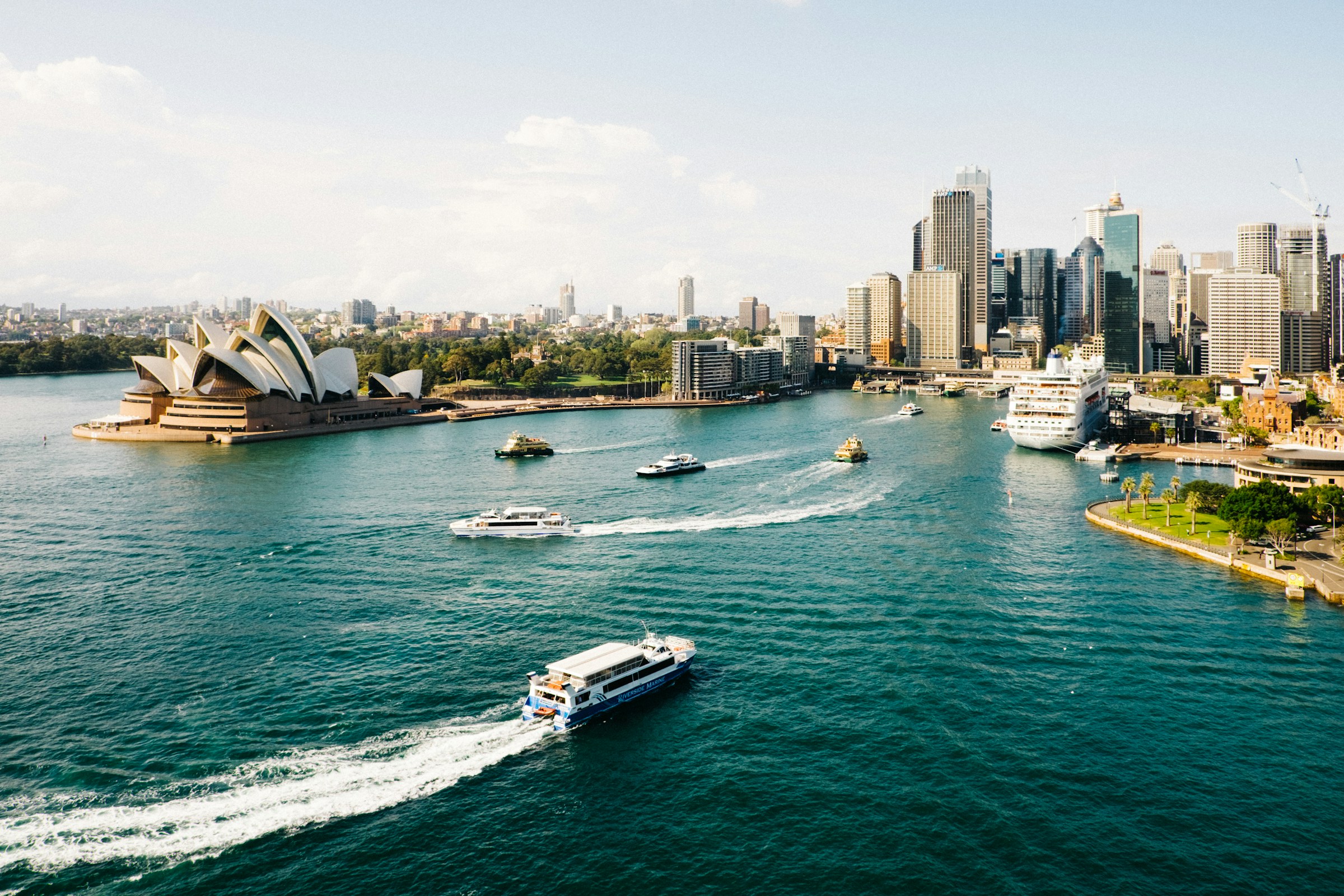
Australia

Oceania
Capital:
Canberra
Currency:
Australian Dollar (AUD)
Risk:
Low
📋

Health Overview

Australia is one of the world's most medically benign international travel destinations for US citizens — Level 1 advisory; world-class healthcare across major cities; English-speaking; and a public health infrastructure that matches or exceeds the United States in most respects. The pre-travel clinical consultation is genuinely simple: routine vaccine review; melanoma-level UV protection counseling given Australia's extreme UV index; marine hazard awareness (box jellyfish; blue-ringed octopus; stonefish; great white shark; saltwater crocodile); and awareness of melioidosis risk for travelers to northern Australia who may have soil or floodwater contact. Australia requires an Electronic Travel Authority (ETA) for US citizens — this must be obtained before departure.

Key Health Risks

Moderate-High
Sun and UV Exposure
Australia has the highest rate of skin cancer in the world — partly explained by the ozone layer thinning over the Southern Hemisphere and the UV-reflective coastal environments. The UV index regularly reaches 11+ (extreme) in summer across most of Australia including cities. SPF 50+ broad-spectrum sunscreen applied every 2 hours; protective clothing and hats; UPF-rated clothing for outdoor activities; and seeking shade between 10am-4pm are the clinical standards. 'Slip; Slop; Slap; Seek; Slide' is the Australian national sun safety campaign. A single blistering sunburn in childhood doubles the lifetime melanoma risk — counsel parents of children traveling to Australia specifically.
Moderate
Marine and Wildlife Hazards
Australia has more species capable of killing humans than any other country. Clinically relevant hazards for travelers: Box jellyfish (Chironex fleckeri) — one of the world's most venomous animals; found in northern Australian coastal waters October-May; potentially fatal within minutes; 'stinger season' closures apply; swim only in netted 'stinger enclosures' during this period. Saltwater ('estuarine') crocodiles — present throughout coastal rivers; estuaries; and some beaches in the Northern Territory and tropical Queensland; kills documented annually; NEVER enter any water with crocodile warning signs; assume all freshwater and estuarine areas in northern Australia have crocodiles. Stonefish (world's most venomous fish; reef areas; treat with hot water immersion immediately and seek emergency care). Blue-ringed octopus (tiny; exquisitely toxic; no antivenom — found in tidal pools; do NOT touch). Redback spider (black widow equivalent; antivenin available). Eastern brown snake (second most venomous land snake in the world — most common snake envenomation in Australia).
Low
Melioidosis
Melioidosis is a bacterial disease (Burkholderia pseudomallei) endemic to the soil and surface waters of tropical northern Australia — particularly the Northern Territory; far north Queensland; and the Kimberley in Western Australia. Transmission via soil or water contact with skin abrasions; inhalation of contaminated dust or aerosols during flooding or severe rain events. Risk is low for standard tourist activities but increases with flooded terrain contact; agricultural or outdoor work; camping in floodplains. Clinical range: pneumonia to septicemia with 10-50% mortality when untreated. Diagnosed on blood or wound culture — suspicious in any northern Australia traveler with unexplained fever; pneumonia; or skin infection post-soil exposure. You must consult with your Dr. prior to trip for all of these decisions.
⛑️

Health Risk Callout

The most memorable moment in Australia pre-travel consults is the UV and driving discussion. Most US travelers do not think of Australia as a sun safety destination and the UV index genuinely can exceed 12 in midsummer in cities like Sydney and Brisbane. The driving on the left issue is equally important — wrong-side road accidents are the most common cause of death for healthy US tourists in Australia. The box jellyfish point deserves emphasis for any patient going to the tropical north — stinger season is real and the enclosures are the swim-safe option during October to May.
🏥

Other Health Risks

Altitude illness (not relevant — Australia's highest peak is Mt. Kosciuszko at 2228m; not high enough to cause AMS in normally acclimatized visitors). Driving: Australians drive on the LEFT — the single most common cause of serious injury and death in US tourists in Australia is wrong-side driving; this must be addressed explicitly at every travel consultation for self-drive itineraries. | 2026 UPDATE: Measles (localized): Localized measles alerts in Cairns and Far North Queensland (2025 healthcare-linked outbreak and 2026 alerts). Consistent with the Global Measles notice; no national escalation. Dengue remains confined to north Queensland outbreak zones as already described in the dossier. (https://www.health.qld.gov.au/newsroom/alerts/measles-alert-cairns, 2026-05-31)
🗺

Regional Information

Regional Risk Callout
Australia's health risk profile is essentially uniform across its major tourist destinations with minor regional variations. Sydney; Melbourne; Brisbane; Perth; Adelaide; and the Gold Coast are completely safe from a public health standpoint — malaria-free; excellent hospitals; potable tap water. The Northern Territory and far North Queensland introduce specific environmental hazards: saltwater crocodile and box jellyfish are seasonal but genuine deadly threats in coastal and freshwater areas; melioidosis (a soil-borne bacterial disease) is an uncommon but real risk for those with soil/floodwater exposure in the tropical north. The Red Centre (Uluru; Kings Canyon; Alice Springs) has extreme heat and remoteness — dehydration and heat illness kill visitors and require specific preparation. Tasmania and the Australian Alps carry outdoor hazard risks (hypothermia; remote injury). The Great Barrier Reef (Queensland) carries marine creature awareness requirements.
Regional Healthcare Callout
Healthcare in Australia is genuinely world-class — equivalent to the United States for most conditions. The public/private mixed system functions extremely well. US travelers without Australian Medicare coverage use private hospitals; private health insurance or comprehensive travel insurance is recommended to cover private hospital costs. In remote areas (Kakadu; Kimberley; Outback Queensland; red centre) evacuation to the nearest major city is the plan for serious emergencies — Royal Flying Doctor Service (RFDS) is the world-renowned air medical evacuation service that covers the Australian outback. For complex cases or US citizen emergencies; evacuation to the US from Sydney or Melbourne is logistically straightforward.
💉

Vaccine and Malaria Prevention

💉 Entry Vaccine Required
None — Australia has no yellow fever entry requirements for US travelers arriving directly from the US; no entry vaccines required.
🛡️ Recommended Vaccines
CDC recommends Routine vaccines up to date (MMR; Tdap; influenza; COVID-19); no travel-specific vaccines are required for the typical Australia itinerary. Consider Hepatitis A if visiting remote indigenous communities or eating at non-commercial establishments in rural areas — low risk for standard tourist itinerary. Japanese encephalitis: rarely documented in very remote northern Australia pig-farming areas — not relevant for standard itinerary. You must consult with your Dr. prior to trip for all of these decisions.
🦟 Malaria Information

No malaria risk.

Moderate
👨

Physician Note

R
Dr. Robert
Emergency Medicine · 25+ Years · 40+ Countries

Australia genuinely is one of the easiest pre-travel consultations — which creates its own clinical challenge. Patients assume there's nothing to discuss; and they're almost right. The things that actually matter for Australian travel are: the UV index (which is extreme; not just 'sunny'); driving on the left (which kills US tourists at a rate that should concern every provider seeing an Australia-bound patient); the marine hazard situation in northern Queensland (box jellyfish season is real and the enclosures exist for a reason); and the crocodile hazard in the NT (every single year there are preventable deaths).

Australia has the world's best search-and-rescue infrastructure for remote emergencies via the Royal Flying Doctor Service. The healthcare is excellent — private hospital costs are the main insurance concern. The one vaccine conversation worth having is for anyone planning extended time in far northern Australia with soil exposure — melioidosis is not common but it presents in dramatic ways and is commonly missed on return if the travel history isn't obtained.

Pre-Departure Checklist

8+ Weeks

  • CDC recommends No travel vaccines required for standard Australian itinerary — routine vaccines up to date (MMR
  • Tdap
  • Influenza
  • COVID-19)
  • Review existing vaccine records
  • Obtain ETA (Electronic Travel Authority) before departure — US citizens can apply online
  • Japanese encephalitis discussion if Northern Territory farm or rural stay planned.

2–4 Weeks

  • Register with STEP
  • Comprehensive travel insurance (primarily for private hospital cost coverage — Australia does not cover US visitors under Medicare)
  • SPF 50+ broad-spectrum sunscreen in carry-on bag (Australian sun is extreme)
  • First aid awareness briefing for snake and marine envenomation (hot water for stonefish
  • Do not apply tourniquets for snakebite
  • Call 000 immediately).

Day Of

  • US Consulate Sydney +61-2-6214-5600
  • Emergency 000 (police
  • Ambulance
  • Fire)
  • RFDS (remote areas) — contact through 000 or satellite phone
  • Rental car: practice driving on the LEFT before entering highway traffic
  • Swim between the flags
  • Check bom.gov.au for fire
  • Flood
  • And cyclone alerts if in seasonal risk areas. Vital Voyager Countries: Countries - Airtable
✈️

Trip Type Guidance

Adventure

  • Great Barrier Reef diving and snorkeling (marine hazard awareness — stonefish
  • Jellyfish
  • Blue-ringed octopus
  • No malaria
  • Sunscreen mandatory
  • Reef protection rules apply
  • Nitrogen narcosis and decompression sickness risk for divers — full dive medical recommended)
  • Red Centre — Uluru and Kings Canyon (extreme heat — carry minimum 4L water per person per day in summer
  • Best April-September
  • No malaria
  • Excellent but remote infrastructure)
  • Kokoda Track alternative: Hiking in Tasmania (Overland Track
  • Cradle Mountain
  • No malaria
  • Excellent cold weather preparation required
  • Very high UV even in cool conditions).

Family

  • Australia is one of the world's great family travel destinations — English-speaking
  • Left-hand drive awareness
  • Taronga Zoo Sydney
  • Phillip Island Penguin Parade
  • Great Ocean Road
  • Very family-friendly culture with excellent infrastructure.

Beach

  • Australia's beaches are legendary — Bondi
  • Whitehaven
  • The Whitsundays
  • Esperance — swim BETWEEN THE FLAGS at patrolled beaches
  • Rip current awareness
  • No malaria
  • UV protection critical.

Business

  • Sydney and Melbourne are the financial and creative hubs of Australia — excellent business infrastructure
  • Direct US flights
  • English-speaking
  • World-class private hospitals for business traveler medical needs.
🗒️

Notes

Special Evacuation Notes
Medical evacuation from Australia to the US is straightforward — daily direct flights from Sydney and Melbourne. Within Australia; the Royal Flying Doctor Service provides world-class air medical evacuation from remote areas. Comprehensive travel insurance is recommended primarily for hospital cost coverage (Australia does not cover US visitors under Medicare for elective or routine care; emergency care costs can be significant). No helicopter rescue concerns — Australia's search and rescue infrastructure is excellent even in remote areas.
Safety Notes
Australia is a low-crime destination by international standards. Sydney; Melbourne; Brisbane; Perth; and other major cities have normal urban petty crime risk — pickpocketing in tourist areas; bag snatching; and occasional bar-related assault. Rarely targeted violence against US tourists. Key safety reminders: 1) Driving on the LEFT is mandatory — practice before heading onto highways; 2) Swim between the flags at patrolled beaches — Australia's surf conditions are dangerous; rip currents kill tourists annually; Surf Life Saving Australia patrols patrol days at main beaches; 3) Never enter croc-warning areas — ever; 4) Snake awareness in bush and rural areas — give snakes space; don't approach; seek emergency care immediately for any snakebite; 5) Respect outback remoteness — carry 3x more water than you think you need; leave itinerary with someone; check in regularly.
partner recommendation
Medical Evacuation & Assistance
A medical crisis far from home can cost $50,000+ to evacuate. Global Rescue — the partner we personally trust — provides worldwide evacuation and round-the-clock medical assistance.
Get a quote
Good For
Adventure
Family
Beach
Mission
Business
Quick Info
  • Capital
    Canberra
  • Language
    English (de facto national language); no official language at federal level
  • Currency
    Australian Dollar (AUD)
  • State Dept Level
    1
  • Crime Risk
    Low
  • Disaster Risk
    Moderate-High — Australia has significant natural disaster risk: bushfires (summer December-March; particularly catastrophic in 2019-2020 'Black Summer'); tropical cyclones (Category 5 possible; northern Australia November-April); flooding (Queensland; New South Wales; Victoria; inland river flooding); severe thunderstorms; and rare but damaging coastal storm surge. Earthquakes are uncommon. Monitor Bureau of Meteorology (bom.gov.au) for current alerts.
Water Safety
✅ Tap Water Safe
Tap water is safe throughout all of Australia — Sydney; Melbourne; Brisbane; Perth; Adelaide; Hobart; Darwin; Alice Springs — to WHO standards. Australia's water treatment infrastructure is world-class. Bottled water is widely available but essentially unnecessary from a health standpoint.
Top Hospital
Royal Melbourne Hospital
Melbourne
Australia's premier public hospital and consistently ranked one of the best hospitals in the Asia-Pacific. Equivalent world-class care at Sydney Hospital (St Vincent's; Royal Prince Alfred); Royal Brisbane and Women's Hospital; Sir Charles Gairdner Hospital Perth. Private hospital system (Epworth; St John of God; Ramsay Health; Healthscope networks) provides excellent care across all major cities.
Emergency Numbers
000
Emergency
000
Ambulance
US EMbassy
'+61-2-6214-5600 (US Consulate Sydney — main ACS line) [VERIFY for current after-hours number]
https://au.usembassy.gov/
Resources
Primary Sources
Direct lines to the agencies that publish the world's most trusted travel-health guidance.