Argentina

South America
Capital:
Buenos Aires
Currency:
Argentine Peso (ARS)
Risk:
Low-Moderate
📋

Health Overview

Argentina is one of South America's most accessible and rewarding travel destinations for Americans, with world-class healthcare in Buenos Aires, low infectious disease risk for most tourist itineraries, and a rich travel experience spanning Patagonia, the Andes, Buenos Aires culture, and Mendoza wine country. The primary clinical considerations are yellow fever vaccination for travelers visiting Corrientes and Misiones Provinces (near the Brazilian/Paraguayan border), basic dengue and food safety awareness, and altitude illness management for high Andean itineraries. Buenos Aires has hospital infrastructure that rivals European standards. The one exception to the otherwise calm picture is Rosario (Santa Fe Province), which has a current Level 2 advisory due to rising gang violence.

Key Health Risks

Moderate
Petty Crime and Robbery
Pickpocketing; bag snatching; and express robberies are common in Buenos Aires tourist areas (La Boca; Recoleta; Florida pedestrian street; subway system). Robbery by distraction ('pigeon drop' schemes) is specifically documented. Rosario's gang violence has increased significantly — it carries a Level 2 sub-advisory. Do not display expensive jewelry or electronics.
Moderate
Altitude Illness
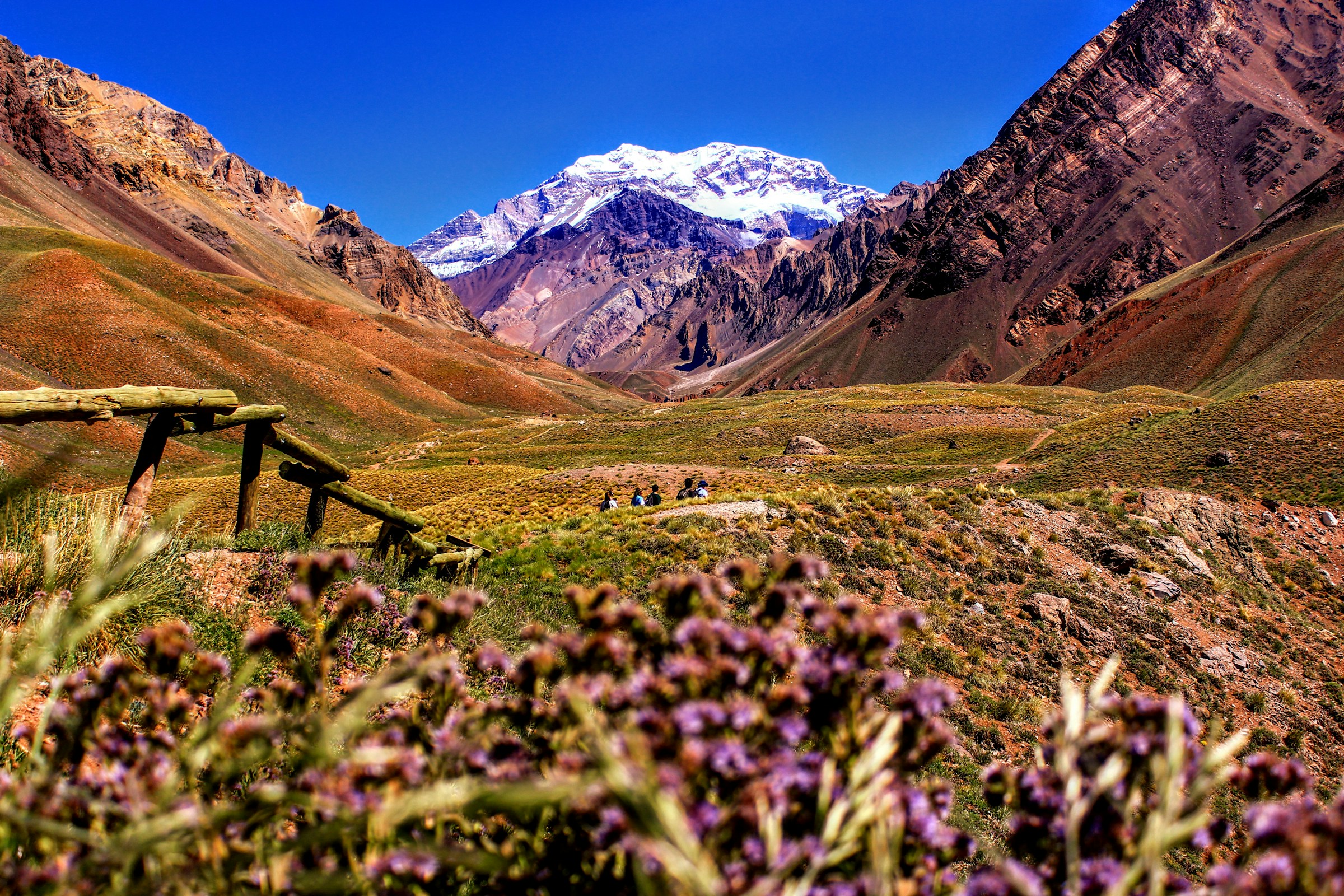
Northwest Argentina (Jujuy Province: Salinas Grandes at 3,500m; Purmamarca at 2,200m; Quebrada de Humahuaca) involves rapid ascent for travelers arriving by road or bus from sea level. Patagonia's trekking routes are generally below altitude illness threshold. High Andes (Aconcagua approaches above 4,000m) carry significant AMS/HACE/HAPE risk — professional guiding and acclimatization are mandatory. Acetazolamide 125-250mg twice daily starting 24 hours before ascent significantly reduces risk.
Low-Moderate
Dengue Fever
Dengue is present in northern Argentina (Buenos Aires Province has seen seasonal dengue). Outbreaks have occurred in Buenos Aires in 2024. The risk is primarily in warmer months (summer: December–March) and northern regions. DEET use is recommended for any outdoor activity. Risk is minimal in Patagonia and the far south.
⛑️

Health Risk Callout

Hantavirus is specifically worth mentioning for Patagonia travelers — Argentina's Los Alerces and Nahuel Huapi national park regions have documented hantavirus cases, and rodent-exposed campers and trekkers are at risk. This is rare but fatal without supportive care, and there is no vaccine. Rodent contact avoidance and not disturbing rodent nests when camping are the key precautions.
🏥

Other Health Risks

Travelers' diarrhea (low-moderate risk at local restaurants; drink bottled water); Hantavirus (rural areas — especially Patagonia; rodent exposure risk; no vaccine); Chagas disease (rural northwest; triatomine bug; very low tourist risk); Rabies (bats throughout country); Altitude illness (Andean itineraries) | 2026 UPDATE: Hantavirus (Andes virus): 2025-2026 season surge: 101 confirmed cases vs 57 the prior year, 32 deaths, with rising lethality. Geographic shift beyond historic Patagonia foci into central Argentina — Buenos Aires province alone had 42 cases — plus NW (Salta, Jujuy, Tucuman), NE (Misiones, Formosa, Chaco), and South (Neuquen, Rio Negro, Chubut). Separately, a multi-country person-to-person Andes-virus… (https://www.cnn.com/2026/05/09/americas/hantavirus-cases-double-argentina-climate-change-latam-intl ; https://www.cdc.gov/han/php/notices/han00528.html ; https://www.who.int/emergencies/disease-outbreak-news/item/2026-DON600, 2026-05-09)
🗺

Regional Information

Regional Risk Callout
Argentina's risk profile is largely favorable for tourists with important regional exceptions. Buenos Aires is safe by South American standards with standard urban vigilance for pickpocketing and petty theft in tourist areas (La Boca; San Telmo; subway networks). Rosario (Santa Fe Province) carries a Level 2 advisory and elevated gang violence — avoid unless on specific business. Northeast provinces (Corrientes; Misiones including Iguazú Falls) carry yellow fever vaccination recommendations and some dengue risk. Patagonia and Mendoza wine country are low-risk, low-infectious-disease destinations. Northwest provinces (Salta; Jujuy) involve altitude gains to 3,000-4,200m and minimal malaria risk near Bolivia border — altitude illness is the primary health concern.
Regional Healthcare Callout
Buenos Aires has three world-class private hospital systems (Hospital Italiano; Hospital Alemán; Hospital Británico) that provide care matching European standards. Regional cities (Mendoza; Córdoba; Bariloche; Salta) have solid private hospital options for acute care. Patagonia trekking regions have very limited medical infrastructure — serious injuries may require helicopter evacuation to Bariloche or Buenos Aires. Medical evacuation insurance is standard advice for any Argentine adventure travel.
💉

Vaccine and Malaria Prevention

💉 Entry Vaccine Required
None.
🛡️ Recommended Vaccines
CDC recommends routine vaccines (MMR; Tdap; influenza; COVID-19 up to date); Hepatitis A (recommended for most travelers; particularly for those venturing outside Buenos Aires hotel infrastructure); Hepatitis B (recommended for unvaccinated travelers under 60); Yellow Fever (recommended for travelers ≥9 months old going to Corrientes and Misiones Provinces — NOT recommended for Buenos Aires; Patagonia; Mendoza; Córdoba; Bariloche; or most tourist areas)
🦟 Malaria Information
  • Risk Level: Low
  • Areas: Very limited — primarily remote northwestern border provinces (Jujuy; Salta) adjacent to Bolivia; and far northeastern provinces (Misiones; Corrientes) near Paraguay and Brazil borders. Almost exclusively P. vivax. NO malaria risk in Buenos Aires; Patagonia; Mendoza wine country; Bariloche; Córdoba; Iguazú on the Argentine side; or any areas >1,700m in the Andes.
  • Recommended Drug: Chloroquine or atovaquone-proguanil for northern border areas. Mosquito avoidance only for most tourist itineraries.
  • Drug Resistance: No

Argentina malaria risk is relevant only for travelers spending time in remote northwestern provinces near Bolivia or far northeastern jungle areas near Paraguay — essentially none of Argentina's typical tourist itineraries. Iguazú Falls Argentina-side is in Misiones Province which has a YF recommendation but very low malaria risk. A traveler doing Buenos Aires; Patagonia; or Mendoza wine country needs no malaria prophylaxis — only DEET for dengue prevention.

Moderate
👨

Physician Note

R
Dr. Robert
Emergency Medicine · 25+ Years · 40+ Countries

Argentina is where I genuinely enjoy the pre-travel conversation because the medical risk profile is manageable and the clinical rewards for a prepared traveler are extraordinary. Buenos Aires is arguably the most medically sophisticated city in South America — Hospital Italiano is a real academic medical center, and I'd be very comfortable being a patient there. For most Buenos Aires travelers, the consultation is brief: Hepatitis A confirmation, DEET during summer months, basic crime awareness.

The picture changes for adventurous itineraries. Andean northwest travel to Jujuy and Quebrada de Humahuaca means rapid altitude gain to 3,500m — acetazolamide is worth the conversation with your travel physician for any traveler without prior high-altitude experience. Patagonia trekking introduces genuine remoteness; hospital infrastructure around Torres del Paine access routes is thin, and weather-related injuries are the primary risk.

The yellow fever call is nuanced: Iguazú Falls is in Misiones Province, which carries a YF recommendation. Travelers doing only Buenos Aires and Patagonia need no yellow fever vaccine — but add Iguazú to the itinerary and the conversation changes. The hantavirus risk in Patagonia is low but fatal enough to mention: rodent contact avoidance in national park camping is basic advice that every Patagonia trekker should hear.

Pre-Departure Checklist

8+ Weeks

  • Yellow fever vaccination if itinerary includes Corrientes or Misiones Provinces (including Iguazú Falls area)
  • Confirm Hepatitis A immunity
  • Discuss acetazolamide prescription for Andean itineraries >2,500m.

2–4 Weeks

  • Obtain travel insurance with medical evacuation coverage (essential for Patagonia trekking and Aconcagua approaches)
  • Pack DEET 20%+ for Buenos Aires (December–March dengue season) and northern provinces
  • Research currency exchange options in advance as Argentine peso volatility makes financial planning complex.

Day Of

  • Register with STEP
  • Save 911 and US Embassy Buenos Aires (+54-11 5777-4533) in phone
  • Carry passport copy separately from original
  • Be aware of distraction-based theft in La Boca and Florida Street.
✈️

Trip Type Guidance

Adventure

  • Patagonia (Torres del Paine approach from Argentine side
  • Fitz Roy
  • Perito Moreno Glacier)
  • Aconcagua climbing (world's highest peak outside Asia — serious mountaineering requiring full expedition preparation)
  • Wine trekking in Mendoza — minimal infectious disease risk
  • Altitude management required for Andean itineraries.

Family

  • Buenos Aires is one of South America's most family-friendly capitals with excellent private pediatric care, European-quality infrastructure, and child-friendly neighborhoods

Business

  • Buenos Aires is one of South America's major business capitals with extensive US corporate presence
  • English commonly spoken in business settings
  • Ongoing economic volatility warrants close attention to currency and banking arrangements.

Mission

  • Active missionary and NGO presence in northern provinces (Salta
  • Jujuy
  • Chaco)
  • Yellow fever vaccination required for some mission areas
  • Dengue prevention essential.
🗒️

Notes

Special Evacuation Notes
Buenos Aires hospitals are genuinely capable of managing nearly all acute medical conditions. Medical evacuation to the US is rarely medically indicated from Buenos Aires but may be preferred for very complex cases. Insurance with medical evacuation coverage is advisable primarily for adventure travel in remote Patagonia or high-altitude Andean regions where access to care is limited. Global Rescue is important here
Safety Notes
Buenos Aires is safe for typical tourist and business travel with standard urban vigilance. La Boca neighborhood: confine yourself to the main tourist street (El Caminito) during daylight only. Subways and buses: watch for pickpockets particularly on Line A and near tourist areas. Rosario (Santa Fe): check current security situation before visiting. Patagonia: Atlantic coast weather can change rapidly with extreme winds — dress in layers and check forecasts daily.
partner recommendation
Medical Evacuation & Assistance
A medical crisis far from home can cost $50,000+ to evacuate. Global Rescue — the partner we personally trust — provides worldwide evacuation and round-the-clock medical assistance.
Get a quote
Good For
Adventure
Family
Mission
Business
Quick Info
  • Capital
    Buenos Aires
  • Language
    Spanish
  • Currency
    Argentine Peso (ARS)
  • State Dept Level
    1
  • Crime Risk
    Low-Moderate (Rosario higher)
  • Disaster Risk
    Moderate-High — seismic risk throughout the Andean region; volcanic risk (Copahue; Lanín; Villarrica near Chilean border); flooding in the Mesopotamia region; occasional severe weather across Patagonia
Water Safety
✅ Tap Water Safe
Tap water is safe and of high quality in Buenos Aires and all major cities — Argentina has excellent water infrastructure. In rural areas and remote Patagonian trekking routes, water quality varies; use filtered or bottled water when away from urban areas. Mendoza wine country tap water is safe.
Top Hospital
Hospital Italiano de Buenos Aires
Buenos Aires
One of Latin America's most prestigious academic medical centers. Full subspecialty coverage including 24/7 emergency, cardiology, oncology, and surgery. English-speaking physicians available. Newsweek ranked among Latin America's Top Private Hospitals 2025 for knee and joint surgery. Located at Av. Gascon 450, Buenos Aires. Tel: (11) 4959-0200.
Emergency Numbers
911
Emergency
107 (SAME Buenos Aires)
Ambulance
US EMbassy
(+54-11) 5777-4533
https://ar.usembassy.gov/
Resources
Primary Sources
Direct lines to the agencies that publish the world's most trusted travel-health guidance.