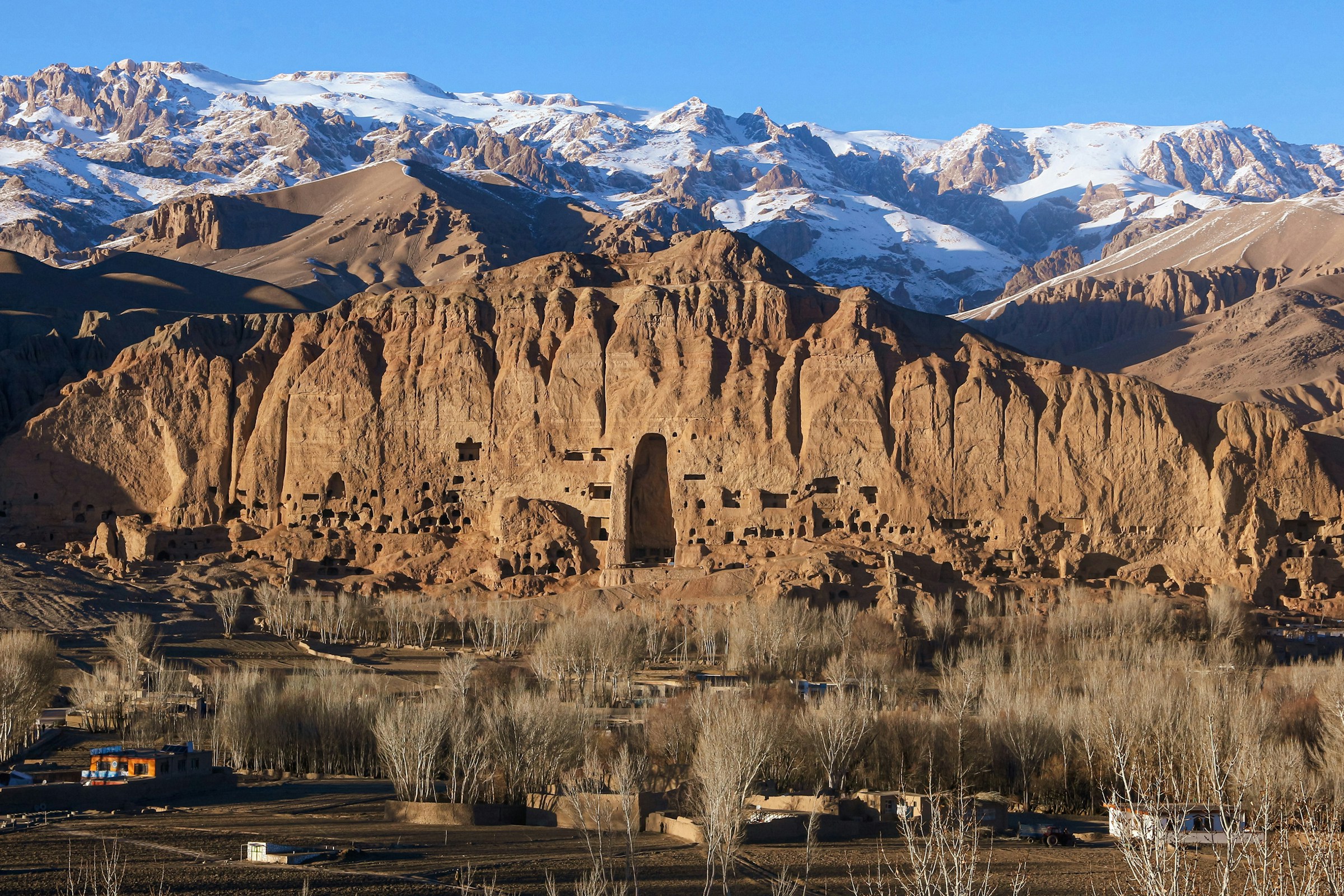
Afghanistan

Asia
Capital:
Kabul
Currency:
Afghan Afghani (AFN)
Risk:
Very High
📋

Health Overview

Afghanistan is Level 4 — Do Not Travel — and the picture has changed fundamentally since early 2026. The US Embassy has been suspended since August 2021, Taliban authorities detain American citizens, and IS-K conducts bombings. On top of that, Afghanistan has been at war with Pakistan since February 26 2026: Pakistan declared 'open war,' struck Kabul, Kandahar, and Bagram airbase, and the UN recorded 372 Afghan civilians killed and 397 injured in the first three months of 2026 with over 115,000 displaced. A Pakistani airstrike on a Kabul drug rehabilitation hospital on March 16-17 2026 killed hundreds — Afghan officials reported more than 400 dead, a figure Pakistan disputes. Successive ceasefires have collapsed. Clinically, the dossier's distinctive feature remains P. vivax-dominant malaria requiring primaquine terminal prophylaxis, alongside endemic cutaneous leishmaniasis, active poliovirus transmission, and a healthcare system that has collapsed and is now being actively damaged. There is no US government rescue capability.
⚕

Key Health Risks

Very High
Armed Conflict, Terrorism, and Taliban Detention
Three overlapping threats. (1) ACTIVE INTERSTATE WAR: the 2026 Afghanistan-Pakistan war began February 26 2026 when Afghan forces launched a cross-border offensive and Pakistan's defence minister declared 'open war'; Pakistan struck Kabul, Kandahar, Bagram airbase, and border areas the following day. The UN reported 372 Afghan civilians killed and 397 injured in the first three months of 2026 alone, with over 115,000 displaced and ten provinces affected by airstrikes, artillery, mortar or drone attacks. Ceasefires in March and later have repeatedly collapsed; China-mediated talks have produced no durable result, and cross-border strikes continued through at least June 2026. Borders and trade have been repeatedly closed. (2) IS-K bombings continue against civilian targets. (3) Taliban authorities surveil foreigners and detain them arbitrarily; dual nationals are at elevated risk. There is no US Embassy and no US government rescue capability.
High
Natural Disaster / Earthquake
September 2025 M6.0 killed 1,100+. Herat 2023 killed 1,400+. Rescue impossible in mountains.
Moderate
Malaria / Infectious Disease
P. vivax dominant. Cutaneous leishmaniasis endemic Kabul. TB among highest in Asia. CCHF present.
⛑️

Health Risk Callout

Highest cutaneous leishmaniasis in some provinces. Poliovirus circulates — booster required.
🏥

Other Health Risks

Cutaneous leishmaniasis (Afghanistan has among the highest burdens globally; Kabul endemic); Typhoid; Tuberculosis (among the highest rates in Asia); Rabies (post-exposure prophylaxis largely unavailable); Crimean-Congo haemorrhagic fever (CCHF); Brucellosis (unpasteurized dairy); Poliovirus — Afghanistan remains one of the last countries with active wild and vaccine-derived poliovirus transmission and is named on the Global Polio Level 2 Travel Health Notice (the polio IHR Emergency Committee reaffirmed this March 4 2026); Measles — CDC maintains an active Level 1 Travel Health Notice for measles in Afghanistan. War-related: conflict has damaged medical facilities, homes, markets, and displacement sites; WHO reported at least six health facilities affected in the first weeks of the 2026 fighting alone.
🗺

Regional Information

Regional Risk Callout
Risk is uniformly extreme. Kabul remains the most functional area but has been struck repeatedly during the 2026 war with Pakistan — including the March 2026 hospital strike — and IS-K bombings continue. Kunar and Nangarhar in the east were where the February 2026 strikes began and remain among the most affected; ten provinces in total have been hit by airstrikes, artillery, mortar or drone attacks. Kandahar and Bagram airbase were struck in the opening days. Border districts along the Durand Line carry the highest exposure to cross-border shelling. All areas carry Taliban detention risk regardless of the conflict.
Regional Healthcare Callout
Outside Kabul, functioning hospitals effectively do not exist. Inside Kabul, capacity is now being actively degraded by the war — WHO reported at least six health facilities affected in the first weeks of the 2026 fighting, and the March 2026 strike on a Kabul drug rehabilitation hospital was the single deadliest incident of the conflict. Medical evacuation would route to Islamabad or Dubai, but the FAA NOTAM/SFAR restricts Afghan airspace and evacuation to Pakistan crosses into the opposing party of the active conflict — confirm any provider will actually fly before relying on coverage.
💉

Vaccine and Malaria Prevention

💉 Entry Vaccine Required
No YF required.
🛡️ Recommended Vaccines
Routine; Hep A; Hep B; Typhoid; Rabies; Polio booster (required — on poliovirus list); Meningococcal for extended stays
🦟 Malaria Information
  • Risk Level: Moderate
  • Areas: Rural areas below 6,600 feet; eastern provinces highest; Kabul 5,900 feet lower but non-zero; seasonal July-October
  • Recommended Drug: Atovaquone-proguanil; chloroquine (P. vivax areas); doxycycline; mefloquine; tafenoquine; primaquine terminal prophylaxis
  • Drug Resistance: Yes

Afghanistan malaria clinically distinct: P. vivax dominates (~70-80%). Hypnozoite problem requires primaquine terminal prophylaxis.

Moderate
👨

Physician Note

R
Dr. Robert
Emergency Medicine · 25+ Years · 40+ Countries

I do not recommend travel here currently. Afghanistan is Level 4 with no US embassy, no consular services, and — since February 2026 — an active interstate war with Pakistan layered over Taliban detention risk and IS-K bombings. These notes exist for authorized humanitarian personnel only, and the medical planning problem is unusual: Kabul's facilities have been damaged in the war itself, and the standard evacuation route to Islamabad now crosses into the opposing party of an active conflict while the FAA NOTAM restricts Afghan airspace — several providers will not fly at all. Get the evacuation commitment in writing, with the destination named, before entry.

Clinically, Afghanistan is distinctive: malaria is P. vivax-dominant (roughly 70–80%), which means the hypnozoite liver stage — discuss primaquine terminal prophylaxis and test G6PD first. Cutaneous leishmaniasis is endemic in Kabul itself; permethrin and DEET are not seasonal suggestions here. Afghanistan remains one of the last countries with wild poliovirus transmission — the booster is mandatory, not optional. And rabies post-exposure prophylaxis is largely unavailable in-country, which converts pre-exposure vaccination from a consideration into a serious recommendation for any extended deployment.

✅

Pre-Departure Checklist

8+ Weeks

  • DO NOT TRAVEL HERE — Afghanistan is Level 4 with no US Embassy, no consular services, and an active interstate war with Pakistan since February 2026. Only authorized NGO or humanitarian deployment with a full security framework should proceed
  • Polio booster — REQUIRED, not optional; Afghanistan is one of the last countries with active poliovirus transmission and is named on the Global Polio Level 2 THN
  • Routine vaccines including MMR (active CDC measles notice for Afghanistan)
  • Hepatitis A
  • Hepatitis B
  • Typhoid
  • Rabies pre-exposure — strongly recommended; post-exposure prophylaxis is largely unavailable
  • Meningococcal for extended stays
  • Malaria prophylaxis for rural areas below 6,600 feet — note Afghanistan is P. vivax dominant (~70-80%), so discuss primaquine terminal prophylaxis for the hypnozoite stage and test G6PD before prescribing.

2–4 Weeks

  • Confirm medical evacuation cover AND a security organization in writing — both mandatory; several providers will not fly Afghan airspace and the FAA NOTAM/SFAR applies
  • Confirm evacuation routing: Islamabad crosses into the opposing party of the active conflict and borders have been repeatedly closed; Dubai is the alternative
  • Establish a proof-of-life protocol; Taliban detention of foreigners and dual nationals is documented
  • Ensure will and power of attorney are current
  • Carry a complete medication supply from home plus reserve — do not rely on local resupply
  • Water purification capability
  • DEET and permethrin-treated clothing (malaria and sandfly-borne cutaneous leishmaniasis, which is endemic in Kabul).

Day Of

  • State Dept 24/7: +1-202-501-4444 — there is no embassy to call; AfghanistanACS@state.gov is the only channel
  • EMERGENCY Surgical Centre for War Victims, Kabul — verify it is operating before relying on it
  • Local emergency 119 (may not be answered); there is no reliable ambulance service
  • Never touch unknown objects — landmine and UXO contamination is extensive
  • Bottled or purified water only; thoroughly cooked food only; no unpasteurized dairy (brucellosis)
  • Daily check-ins with your organization.
✈️

Trip Type Guidance

No trip types appropriate. Embassy closed. Only authorized NGO with security frameworks.

🗒️

Notes

Special Evacuation Notes
Embassy suspended August 2021 — no consular services; AfghanistanACS@state.gov is the only channel. FAA NOTAM/SFAR restricts Afghan airspace. Evacuation would route to Islamabad or Dubai, but the 2026 Afghanistan-Pakistan war complicates the Islamabad option substantially — it crosses into the opposing party of the active conflict, and border crossings have been repeatedly closed. Several providers will not operate in Afghan airspace at all. Confirm in writing that any evacuation provider will actually fly, and to where, before relying on coverage. State Dept 24/7: +1-202-501-4444.
Safety Notes
DO NOT TRAVEL. Active interstate war: Afghanistan and Pakistan have been at war since February 26 2026, with repeated ceasefire collapses and cross-border strikes continuing through at least June 2026; ten provinces have been affected and borders and trade have been repeatedly closed. Taliban authorities surveil and arbitrarily detain foreigners; dual nationals face elevated risk. IS-K conducts mass-casualty bombings. The US Embassy has been suspended since August 2021 — there are no consular services and no US government rescue capability. FAA NOTAM/SFAR restricts Afghan airspace. Landmine and UXO contamination is extensive after decades of conflict. Only authorized NGO or humanitarian deployment with a full security framework should be contemplated at all.
partner recommendation
Medical Evacuation & Assistance
A medical crisis far from home can cost $50,000+ to evacuate. Global Rescue — the partner we personally trust — provides worldwide evacuation and round-the-clock medical assistance.
Get a quote
Good For
No items found.
Quick Info
  • Capital
    Kabul
  • Language
    Dari (Farsi); Pashto
  • Currency
    Afghan Afghani (AFN)
  • State Dept Level
    4
  • Crime Risk
    Very High
  • Disaster Risk
    Very High — Major seismic; monsoon flooding; drought; no disaster response
Water Safety
⛔️ Tap Water Not Safe to Drink
Tap water not safe anywhere. Infrastructure degraded by decades of conflict.
Top Hospital
EMERGENCY Surgical Centre for War Victims (Kabul)
Kabul
Run by the Italian NGO EMERGENCY; open continuously since 2001, including under Taliban administration — confirmed operational 2026. Three operating theatres; ICU; emergency room; laboratory and blood bank; radiology and CT; 24/7 ambulance service; trauma surgery specialty; treatment free of charge. IMPORTANT CONTEXT: Kabul medical facilities have been directly affected by the 2026 Afghanistan-Pakistan war. A Pakistani airstrike on a Kabul drug rehabilitation hospital on March 16-17 2026 killed hundreds — Afghan officials reported more than 400 dead and over 260 wounded, figures Pakistan disputes — and WHO reported at least six Afghan health facilities affected in the first weeks of the fighting. Verify current operating status before relying on any Afghan facility.
Emergency Numbers
119 (police); 100 (police); 102 (medical assistance); 112 (the fire department)
Emergency
102 (medical assistance). Ambulance services are: Not present throughout the country. Not staffed with trained paramedics and often have little or no medical equipment (State Dept)
Ambulance
US Embassy
The U.S. Embassy in Kabul suspended operations on August 31, 2021. U.S. Embassy Doha, Qatar - covers Afghanistan: +974 4496-6000 (main; State Dept lists no separate after-hours line). AfghanistanACS@state.gov. State Dept 24/7: +1-202-501-4444 (from abroad).
https://af.usembassy.gov/
Resources
Primary Sources
Direct lines to the agencies that publish the world's most trusted travel-health guidance.