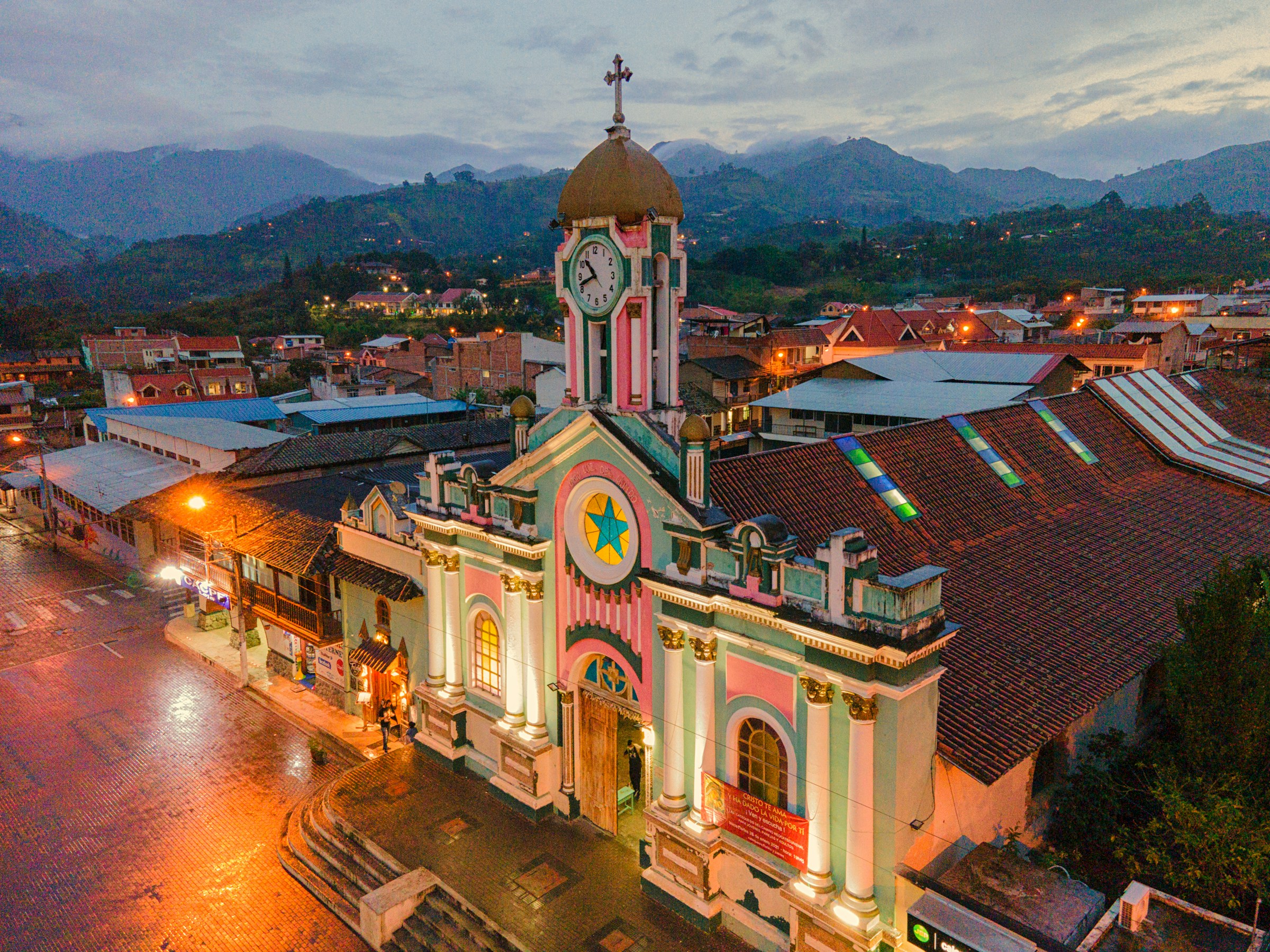
Ecuador

South America
Capital:
Quito
Currency:
US Dollar (USD)
Risk:
High
📋

Health Overview

Ecuador is a destination of extraordinary natural diversity — the Galápagos Islands; the Amazon basin; the Andean highlands; and the Pacific coast — but mainland Ecuador is in an active state of internal armed conflict as the government wages war against gangs and criminal organizations with ties to Colombian and Mexican drug cartels. As of March 2026, a curfew between 11pm and 5am is in force in multiple provinces including Guayas (Guayaquil). A car bomb detonated near the Sheraton Hotel in northern Guayaquil on October 14, 2025. On the health side, yellow fever vaccination is required for travelers visiting Amazonian provinces east of the Andes. Malaria is present in eastern jungle provinces. The Galápagos Islands stand apart as a genuinely safe and accessible destination with minimal security concern — they are specifically separated from mainland warnings.

Key Health Risks

Very High
Gang Violence and Terrorism
Ecuador is in a declared state of internal armed conflict. Gang violence has produced car bombings; targeted assassinations; express kidnappings; and armed robberies throughout the country. A car bomb exploded near the Sheraton Hotel in Guayaquil on October 14, 2025, injuring multiple people. US military is conducting joint operations in Ecuador as of early 2026. The CDC terrorism risk indicator was added to the Ecuador advisory on October 14, 2025. Level 4 Do Not Travel zones in Guayaquil south of Portete de Tarqui and Huaquillas must be treated as active conflict zones.
High
Kidnapping
Express kidnappings — where victims are held at ATMs for cash withdrawals — are common throughout Ecuador and have involved taxi and rideshare drivers working with criminal networks. Kidnapping rates have risen sharply since 2022. Establish a proof-of-life protocol with family before any Ecuador travel. Never accept transportation from unknown drivers; use only verified hotel taxis or government-registered operators. Never use cash machines in isolated locations.
Moderate
Dengue Fever
Dengue is endemic throughout coastal and lowland Ecuador below 1,800m elevation. Risk is highest in Guayaquil and the Pacific coast provinces. Quito (2,850m) has minimal dengue risk. DEET is essential for any coastal or lowland itinerary. Post-travel fever within 2 weeks requires dengue evaluation.
⛑️

Health Risk Callout

The altitude situation at Quito is worth flagging for every Ecuador traveler: the capital sits at 2,850m — above the typical altitude illness threshold of 2,500m. Travelers arriving by direct flight from sea level and immediately commencing a full activity schedule commonly develop Acute Mountain Sickness. Discuss Acetazolamide with your Dr. for travelers with history of AMS or for those with significant cardiopulmonary conditions, plus a rest day on arrival, is the standard recommendation. Ecuadorian volcanic peak climbing (Cotopaxi at 5,897m; Chimborazo at 6,263m) requires full expedition altitude preparation. Global Rescue is of utmost importance here and if climbing, will need to do add High Altitude Evacuation.
🏥

Other Health Risks

Travelers' diarrhea (moderate risk); Altitude illness (Quito at 2,850m is above altitude illness threshold; Ecuadorian volcanic peaks up to 6,263m for mountaineers); Chagas disease (rural thatched structures; Amazon); Leptospirosis (freshwater; flooding); Rabies (dogs and bats throughout country) | 2026 UPDATE: Yellow fever: WHO/PAHO report sustained yellow fever transmission in the Americas; Ecuador named among six countries (Bolivia, Brazil, Colombia, Ecuador, Peru, Venezuela) reporting confirmed human cases Jan-May 2026 (79 confirmed regionally). PAHO issued an epidemiological alert Mar 13 2026. Reinforces YF vaccination for eastern Amazonian provinces. (https://www.who.int/emergencies/disease-outbreak-news/item/2026-DON610 ; https://www.paho.org/en/news/13-3-2026-paho-reports-sustained-yellow-fever-transmission-parts-south-america, 2026-06-24)
🗺

Regional Information

Regional Risk Callout
Ecuador's risk profile splits along three distinct geographic axes. The Galápagos Islands are low-risk by all measures — treat as a Level 1 destination with standard Galápagos-specific health considerations. Quito and the Andean highland region (Otavalo; Cuenca) carry moderate crime risk with significant improvement from military deployments but ongoing kidnapping and robbery threats. The Pacific coast — Guayaquil; Esmeraldas Province; Manabí; Santa Elena; Sucumbíos; Los Ríos — carries Level 3-4 ratings due to gang violence; car bombings; and cartel activity. The eastern Amazonian provinces (Orellana; Napo; Pastaza; Morona-Santiago; Zamora-Chinchipe; Sucumbíos) carry yellow fever and malaria risk in addition to security concerns.
Regional Healthcare Callout
Quito's private hospitals are the best acute care option in Ecuador. They provide solid emergency care for trauma; altitude illness; infection; and most acute conditions. Accessing Guayaquil hospitals safely requires significant security planning given the Level 3-4 zone geography — northern Guayaquil has adequate private care but transport security is a genuine concern. Eastern Amazonian provinces have minimal to no hospital infrastructure — medical evacuation to Quito is the plan for any serious illness or injury. For the Galápagos; basic medical clinics exist on Santa Cruz and San Cristóbal islands but complex cases require evacuation to Guayaquil or Quito.
💉

Vaccine and Malaria Prevention

💉 Entry Vaccine Required
Yellow fever required for travelers ≥1 year old arriving from Brazil; Democratic Republic of the Congo; or Uganda; including >12-hour airport transits in those countries.
🛡️ Recommended Vaccines
CDC recommends routine vaccines (MMR; Tdap; influenza; COVID-19 up to date); Yellow Fever (recommended for travelers ≥9 months old going to eastern Amazonian provinces below 2,300m: Morona-Santiago; Napo; Orellana; Pastaza; Sucumbíos; Zamora-Chinchipe — generally NOT recommended for Quito; Galápagos; or coastal/western provinces); Hepatitis A (all travelers); Hepatitis B (unvaccinated travelers under 60); Typhoid (travelers outside Quito hotel infrastructure); Rabies (jungle or wildlife exposure; consider for Amazon or extended rural stays)
🦟 Malaria Information
  • Risk Level: Low-Moderate
  • Areas: Eastern jungle provinces below 2,300m: Orellana; Napo; Pastaza; Morona-Santiago; Zamora-Chinchipe; Sucumbíos. Primarily P. vivax with some P. falciparum in Sucumbíos and border areas. No malaria risk in Quito; Guayaquil; Cuenca; Galápagos Islands; or western coastal provinces.
  • Recommended Drug: Chloroquine; atovaquone-proguanil; doxycycline; mefloquine; or primaquine — Ecuadorian P. vivax and P. falciparum are chloroquine-sensitive.
  • Drug Resistance: No

Ecuador's malaria is primarily chloroquine-sensitive P. vivax — the Caribbean exception to global chloroquine resistance applies here in the western Amazon basin context. Chloroquine is a reasonable option for typical Amazon ecotourism; however, atovaquone-proguanil is often preferred for its ease of use and broad-spectrum coverage. P. vivax hypnozoite relapse risk means post-travel primaquine (after G6PD testing) should be discussed for travelers with significant Amazonian exposure.

Low-Moderate
👨

Physician Note

R
Dr. Robert
Emergency Medicine · 25+ Years · 40+ Countries

Ecuador is one of the most clinically complex consultations I do — because the security situation in 2025–2026 has changed dramatically from even two years ago, and the health picture in the Galápagos is completely different from the health picture in Guayaquil. Let me be direct: much of the mainland coast is genuinely dangerous right now. The car bombing near the Sheraton in Guayaquil in October 2025 was not an isolated event — it reflects an ongoing internal conflict involving gangs with cartel ties that the Ecuadorian government is fighting with military force.

The US Embassy added a terrorism risk indicator to the advisory in October 2025. That matters clinically: for medical mission travelers and adventure tourists who want to access Pacific coast Ecuador; Sucumbíos; or eastern jungle provinces near the Colombian border; the security risk has outpaced the health risk as the primary clinical concern. On the health side: altitude at Quito (2,850m) is the most commonly missed clinical issue.

Yellow fever vaccination is non-negotiable for eastern Amazonian provinces. Malaria in eastern Ecuador is primarily P. vivax and chloroquine-sensitive — but don't skip the prophylaxis discussion.

The Galápagos Islands are genuinely straightforward — low crime; stunning wildlife; standard vaccine preparation. I send patients to the Galápagos without hesitation. Mainland Ecuador in 2026 requires a much more serious security-and-health conversation before departure.

Pre-Departure Checklist

8+ Weeks

  • CDC recommends Yellow fever vaccination if any eastern Amazonian province travel planned (Orellana
  • Napo
  • Pastaza
  • Morona-Santiago
  • Zamora-Chinchipe) — requires 10 days to confer immunity
  • Consult travel medicine physician about malaria prophylaxis for Amazonian itineraries
  • Confirm all routine vaccines
  • Discuss altitude (acetazolamide) for Quito arrival and any Andean itinerary above 3,000m
  • Consider Rabies pre-exposure for jungle or extended wildlife exposure.

2–4 Weeks

  • Obtain comprehensive travel insurance with helicopter/air evacuation coverage — mandatory for mainland Ecuador
  • Register with STEP
  • Establish pre-arranged transportation contacts for Quito and any Guayaquil transit
  • Download 112 Ecuador emergency app
  • Brief a contact in the US on your daily itinerary and check-in schedule.

Day Of

  • Confirm no curfew in effect for Guayaquil if transiting
  • Save US Embassy Quito (593-2-398-5000) in phone
  • Use only hotel-dispatched or pre-arranged taxis
  • Never display electronics or jewelry
  • Establish proof-of-life protocol with a contact in the US before departure.
✈️

Trip Type Guidance

Adventure

  • Galápagos Islands are a bucket-list wildlife destination with low security risk — the gold standard Ecuador experience with straightforward health preparation. Andean trekking (Cotopaxi
  • Quilotoa loop
  • Chimborazo for experienced mountaineers) requires altitude management but is manageable with security awareness. Amazon ecotourism in eastern provinces requires full tropical prophylaxis
  • Malaria and yellow fever vaccination
  • And security briefing.

Mission

  • Significant NGO and medical mission presence in Amazonian and rural Andean provinces — requires full expedition preparation
  • Yellow fever
  • Malaria
  • And comprehensive security protocols for all travel outside Quito.
🗒️

Notes

Special Evacuation Notes
Ecuador's active conflict situation means evacuation planning must account for road closures and security restrictions. Travel insurance with helicopter or air evacuation coverage is mandatory for any Amazon or coastal province travel. From Quito; medical evacuation to Bogotá or Miami is logistically straightforward via international airport. Note: As of March 2026; a curfew between 11pm and 5am is in force in Guayas Province (including Guayaquil airport) — travelers with late-night Guayaquil connections must pre-arrange verified secure transportation. From Galápagos; medevac to Quito or Guayaquil is the first step.
Safety Notes
Never travel to Level 4 zones (Guayaquil south of Portete de Tarqui; Huaquillas). Avoid Level 3 zones (Guayaquil north of Portete; Sucumbíos; Manabí; Santa Elena; Santo Domingo; Esmeraldas south; El Oro; Los Ríos) unless on specific mission or business travel with full security protocol. In Quito: use only pre-arranged or hotel-verified taxis; never accept transportation from unknown drivers; establish check-ins with family or colleagues. Monitor the Ecuadorian government security alerts and US Embassy Quito messages for curfew changes; road closures; and new security incidents.
partner recommendation
Medical Evacuation & Assistance
A medical crisis far from home can cost $50,000+ to evacuate. Global Rescue — the partner we personally trust — provides worldwide evacuation and round-the-clock medical assistance.
Get a quote
Good For
Adventure
Beach
Mission
Quick Info
  • Capital
    Quito
  • Language
    Spanish
  • Currency
    US Dollar (USD)
  • State Dept Level
    2
  • Crime Risk
    High — throughout mainland Ecuador; Very High in Level 3-4 zones
  • Disaster Risk
    Moderate — seismic risk (Tungurahua; Cotopaxi volcanic activity); Pacific coast tsunami risk; Amazonian flooding during rainy season; occasional ash cloud from Cotopaxi or Tungurahua affecting Quito airport
Water Safety
⛔️ Tap Water Not Safe to Drink
Tap water is not safe for drinking in Ecuador including in Quito and Guayaquil. Use sealed bottled water for all drinking and teeth brushing throughout the country. Even in high-end hotels, bottled water is the standard and recommended practice. Ice from unknown sources should be avoided.
Top Hospital
Hospital Metropolitano
Quito
Leading private hospital in Quito with full emergency; surgical; and critical care capability. English-speaking staff available. Located at Mariana de Jesús s/n y Occidental, Quito. Tel: (593 2) 399-8000. Also: Hospital de los Valles (newer private hospital; Quito). For altitude-related emergencies specifically; altitude medicine expertise is available at several Quito clinics. Clínica Kennedy in Guayaquil for patients in the safer northern zones — though accessing it requires navigation around Level 4/3 zones.
Emergency Numbers
911
Emergency
911
Ambulance
US EMbassy
(593) 2 398 5000
https://ec.usembassy.gov/
Resources
Primary Sources
Direct lines to the agencies that publish the world's most trusted travel-health guidance.